

 搜索
搜索
第25页
- 第1页
- 第2页
- 第3页
- 第4页
- 第5页
- 第6页
- 第7页
- 第8页
- 第9页
- 第10页
- 第11页
- 第12页
- 第13页
- 第14页
- 第15页
- 第16页
- 第17页
- 第18页
- 第19页
- 第20页
- 第21页
- 第22页
- 第23页
- 第24页
- 第25页
- 第26页
- 第27页
- 第28页
- 第29页
- 第30页
- 第31页
- 第32页
- 第33页
- 第34页
- 第35页
- 第36页
- 第37页
- 第38页
- 第39页
- 第40页
- 第41页
- 第42页
- 第43页
- 第44页
- 第45页
- 第46页
- 第47页
- 第48页
- 第49页
- 第50页
- 第51页
- 第52页
- 第53页
- 第54页
- 第55页
- 第56页
- 第57页
- 第58页
- 第59页
- 第60页
- 第61页
- 第62页
- 第63页
- 第64页
- 第65页
- 第66页
- 第67页
- 第68页
- 第69页
- 第70页
- 第71页
- 第72页
- 第73页
- 第74页
- 第75页
- 第76页
- 第77页
- 第78页
- 第79页
- 第80页
- 第81页
- 第82页
- 第83页
- 第84页
- 第85页
- 第86页
- 第87页
- 第88页
- 第89页
- 第90页
- 第91页
- 第92页
- 第93页
- 第94页
- 第95页
- 第96页
- 第97页
- 第98页
- 第99页
- 第100页
- 第101页
- 第102页
- 第103页
- 第104页
- 第105页
- 第106页
- 第107页
- 第108页
- 第109页
- 第110页
- 第111页
- 第112页
- 第113页
- 第114页
- 第115页
- 第116页
- 第117页
- 第118页
- 第119页
- 第120页
Once there was a boy who could not stop talking. All day long, he talked and talked. He had no 1. Why? Because he 2 talked and never listened.
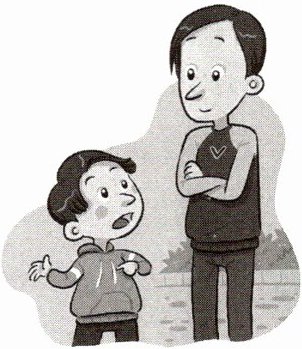
Yak, yak, yak... 3 came from the boy's mouth all day long.
One day, the boy 4 his father, "Why don't I have any friends?" He wanted so much to have friends.
His father said, "Listen, my son. Do you 5 the frogs in the pond(池塘)? They never stop croaking(呱呱叫). They croak all day and all night. But is anyone really 6 them?"
The boy agreed that nobody listened to the frogs 7 they croaked.
"Every morning, the rooster crows(打鸣)," said the father. "He crows 8 at this time. But everyone listens to him. He 9 us all up from our sleep."
The boy understood. From then on, he would be like the rooster—a boy of few but 10 words.
1 A. brothers B. friends C. teachers D. cousins
2 A. always B. sometimes C. really D. also
3 A. wishes B. problems C. words D. ideas
4 A. asked B. told C. remembered D. helped
5 A. forget B. want C. hear D. have
6 A. interested in B. worried about C. tired of D. angry with
7 A. because B. before C. after D. when
8 A. again B. only C. often D. even
9 A. picks B. takes C. makes D. wakes
10 A. busy B. useful C. difficult D. funny
Yak, yak, yak... 3 came from the boy's mouth all day long.
One day, the boy 4 his father, "Why don't I have any friends?" He wanted so much to have friends.
His father said, "Listen, my son. Do you 5 the frogs in the pond(池塘)? They never stop croaking(呱呱叫). They croak all day and all night. But is anyone really 6 them?"
The boy agreed that nobody listened to the frogs 7 they croaked.
"Every morning, the rooster crows(打鸣)," said the father. "He crows 8 at this time. But everyone listens to him. He 9 us all up from our sleep."
The boy understood. From then on, he would be like the rooster—a boy of few but 10 words.
1 A. brothers B. friends C. teachers D. cousins
2 A. always B. sometimes C. really D. also
3 A. wishes B. problems C. words D. ideas
4 A. asked B. told C. remembered D. helped
5 A. forget B. want C. hear D. have
6 A. interested in B. worried about C. tired of D. angry with
7 A. because B. before C. after D. when
8 A. again B. only C. often D. even
9 A. picks B. takes C. makes D. wakes
10 A. busy B. useful C. difficult D. funny
答案:
1. B 根据 4 空后的“Why don’t I have any friends?”和“He wanted so much to have friends.”可知,这个男孩没有朋友。
2. A 根据文章第一句“Once there was a boy who could not stop talking.”和空后的 and never listened 可知,这个男孩总是说个不停,从不倾听。由此可知,他没有朋友是因为他总是在说话。always“总是;一直”,符合语境。
3. C 根据上文可知,这个男孩总是说个不停,故此处指这个男孩的嘴里一整天都在往外冒话。word“说的话;话语”,符合语境。
4. A 根据空后的“Why don’t I have any friends?”可知,这个男孩问他的爸爸为什么自己没有朋友。
5. C 根据空前的 Listen 和空后的“They never stop croaking.”可推知,爸爸问他是否听到了池塘里的青蛙在呱呱叫。
6. A 根据下一段中的“The boy agreed that nobody listened to the frogs”可知,这个男孩赞同没有人会听青蛙呱呱叫这件事,故此处指他的爸爸问“但是真的有人对它们感兴趣吗?”。
7. D 分析句子结构可知,空处缺少时间状语从句的引导词,故选 when。此处指当它们呱呱叫的时候,没有人会听。
8. B 根据空前的“Every morning, the rooster crows”并结合常识可知,此处指公鸡只在早晨打鸣。
9. D 根据空后的 up from our sleep 可知,此处表示“它把我们从睡梦中叫醒”。wake sb. up 意为“叫醒某人;使某人清醒”,为固定搭配。
10. B 根据上文可知,以前,这个男孩总是说个不停却从不倾听。通过公鸡只在早晨打鸣这件事,这个男孩明白了他应该做一个只说有用的话的人。useful“有用的;有益的”,符合语境。
2. A 根据文章第一句“Once there was a boy who could not stop talking.”和空后的 and never listened 可知,这个男孩总是说个不停,从不倾听。由此可知,他没有朋友是因为他总是在说话。always“总是;一直”,符合语境。
3. C 根据上文可知,这个男孩总是说个不停,故此处指这个男孩的嘴里一整天都在往外冒话。word“说的话;话语”,符合语境。
4. A 根据空后的“Why don’t I have any friends?”可知,这个男孩问他的爸爸为什么自己没有朋友。
5. C 根据空前的 Listen 和空后的“They never stop croaking.”可推知,爸爸问他是否听到了池塘里的青蛙在呱呱叫。
6. A 根据下一段中的“The boy agreed that nobody listened to the frogs”可知,这个男孩赞同没有人会听青蛙呱呱叫这件事,故此处指他的爸爸问“但是真的有人对它们感兴趣吗?”。
7. D 分析句子结构可知,空处缺少时间状语从句的引导词,故选 when。此处指当它们呱呱叫的时候,没有人会听。
8. B 根据空前的“Every morning, the rooster crows”并结合常识可知,此处指公鸡只在早晨打鸣。
9. D 根据空后的 up from our sleep 可知,此处表示“它把我们从睡梦中叫醒”。wake sb. up 意为“叫醒某人;使某人清醒”,为固定搭配。
10. B 根据上文可知,以前,这个男孩总是说个不停却从不倾听。通过公鸡只在早晨打鸣这件事,这个男孩明白了他应该做一个只说有用的话的人。useful“有用的;有益的”,符合语境。
查看更多完整答案,请扫码查看

