

 搜索
搜索
第49页
- 第1页
- 第2页
- 第3页
- 第4页
- 第5页
- 第6页
- 第7页
- 第8页
- 第9页
- 第10页
- 第11页
- 第12页
- 第13页
- 第14页
- 第15页
- 第16页
- 第17页
- 第18页
- 第19页
- 第20页
- 第21页
- 第22页
- 第23页
- 第24页
- 第25页
- 第26页
- 第27页
- 第28页
- 第29页
- 第30页
- 第31页
- 第32页
- 第33页
- 第34页
- 第35页
- 第36页
- 第37页
- 第38页
- 第39页
- 第40页
- 第41页
- 第42页
- 第43页
- 第44页
- 第45页
- 第46页
- 第47页
- 第48页
- 第49页
- 第50页
- 第51页
- 第52页
- 第53页
- 第54页
- 第55页
- 第56页
- 第57页
- 第58页
- 第59页
- 第60页
- 第61页
- 第62页
- 第63页
- 第64页
- 第65页
- 第66页
- 第67页
- 第68页
- 第69页
- 第70页
- 第71页
- 第72页
- 第73页
- 第74页
- 第75页
- 第76页
- 第77页
- 第78页
- 第79页
- 第80页
- 第81页
- 第82页
- 第83页
- 第84页
- 第85页
- 第86页
- 第87页
- 第88页
- 第89页
- 第90页
- 第91页
- 第92页
- 第93页
- 第94页
- 第95页
- 第96页
- 第97页
- 第98页
- 第99页
- 第100页
- 第101页
- 第102页
- 第103页
- 第104页
- 第105页
- 第106页
- 第107页
- 第108页
- 第109页
- 第110页
- 第111页
- 第112页
- 第113页
- 第114页
- 第115页
- 第116页
- 第117页
- 第118页
- 第119页
- 第120页
- 第121页
- 第122页
- 第123页
- 第124页
- 第125页
- 第126页
- 第127页
- 第128页
- 第129页
- 第130页
- 第131页
- 第132页
- 第133页
- 第134页
- 第135页
- 第136页
请阅读全文,并从下面方框里的六个句子中选择五个还原到短文中,使短文的意思完整、连贯。
A. It has a long history.
B. Then he posts them online.
C. Wei Yuhang is a college student.
D. I have the responsibility to pass on this ancient art.
E. So the traditional art is in danger of disappearing now.
F. There are many different styles of Flip Paper Flowers.
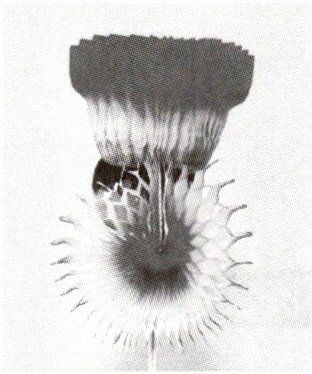
Flip Paper Flower is a kind of traditional art in China. 1. ____ Many people like it for its beautiful colours and shapes. It is an intangible cultural heritage (非物质文化遗产) of China. But it's so difficult to make Flip Paper Flowers that many young people don't want to learn how to make them. 2. ____ Luckily, with the help of a young man named Wei Yuhang, it is becoming popular again among teenagers.
3. ____ He learnt how to make Flip Paper Flowers from his grandfather during his childhood. He often shares ways to make Flip Paper Flowers with his college friends. In his hand, hundreds of sheets of paper can be turned into 18 different paper flowers through special production methods, painting skills, and different folding methods. Wei and his college friends have got many young people become interested in this traditional art again. Now, he often makes videos about the production process (过程). 4. ____ He hopes that more people will learn about this intangible cultural heritage and traditional culture.
"Although it looks like a small paper toy, the process of making it is very complicated (复杂的)," Wei said. "5. ____ And I am happy to share this culture with more people."

A. It has a long history.
B. Then he posts them online.
C. Wei Yuhang is a college student.
D. I have the responsibility to pass on this ancient art.
E. So the traditional art is in danger of disappearing now.
F. There are many different styles of Flip Paper Flowers.
Flip Paper Flower is a kind of traditional art in China. 1. ____ Many people like it for its beautiful colours and shapes. It is an intangible cultural heritage (非物质文化遗产) of China. But it's so difficult to make Flip Paper Flowers that many young people don't want to learn how to make them. 2. ____ Luckily, with the help of a young man named Wei Yuhang, it is becoming popular again among teenagers.
3. ____ He learnt how to make Flip Paper Flowers from his grandfather during his childhood. He often shares ways to make Flip Paper Flowers with his college friends. In his hand, hundreds of sheets of paper can be turned into 18 different paper flowers through special production methods, painting skills, and different folding methods. Wei and his college friends have got many young people become interested in this traditional art again. Now, he often makes videos about the production process (过程). 4. ____ He hopes that more people will learn about this intangible cultural heritage and traditional culture.
"Although it looks like a small paper toy, the process of making it is very complicated (复杂的)," Wei said. "5. ____ And I am happy to share this culture with more people."
答案:
1. A 2. E 3. C 4. B 5. D
Once, there was a bus driver in a small village. His job was to take children to school 1. ____ his red bus. Usually, he would stop at the village centre to pick up the children. Then he would drive them to a nearby village a few kilometres away, as 2. ____ (they) own village had no school.
Each trip usually cost 99 cents. However, one day, the bus driver made a special 3. ____ (decide). He decided not to charge (收费) the children, even though his family was also living a hard life. Many of the children's parents were jobless, 4. ____ it was hard for them to save money. He believed this was 5. ____ good way to help them.
The kind bus driver 6. ____ (drive) the kids to school every day, whether it was sunny, cloudy, rainy or snowy. He made sure they arrived there 7. ____ (safe) and on time. But after a few months, the bus wheels became worn out. Moving around became very difficult. 8. ____ (See) the bus couldn't work well, all the parents in the village decided to collect enough money to repair the red bus.
After the bus 9. ____ (repair), the red bus looked as good as a new one with a fresh coat (层) of paint. It also got new wheels, so it could keep working for a long time.
From this experience, the bus driver learnt something 10. ____ (importance).
Each trip usually cost 99 cents. However, one day, the bus driver made a special 3. ____ (decide). He decided not to charge (收费) the children, even though his family was also living a hard life. Many of the children's parents were jobless, 4. ____ it was hard for them to save money. He believed this was 5. ____ good way to help them.
The kind bus driver 6. ____ (drive) the kids to school every day, whether it was sunny, cloudy, rainy or snowy. He made sure they arrived there 7. ____ (safe) and on time. But after a few months, the bus wheels became worn out. Moving around became very difficult. 8. ____ (See) the bus couldn't work well, all the parents in the village decided to collect enough money to repair the red bus.
After the bus 9. ____ (repair), the red bus looked as good as a new one with a fresh coat (层) of paint. It also got new wheels, so it could keep working for a long time.
From this experience, the bus driver learnt something 10. ____ (importance).
答案:
1. in 2. their 3. decision 4. so 5. a 6. drove 7. safely 8. Seeing 9. was repaired 10. important
查看更多完整答案,请扫码查看

