

 搜索
搜索
第181页
- 第1页
- 第2页
- 第3页
- 第4页
- 第5页
- 第6页
- 第7页
- 第8页
- 第9页
- 第10页
- 第11页
- 第12页
- 第13页
- 第14页
- 第15页
- 第16页
- 第17页
- 第18页
- 第19页
- 第20页
- 第21页
- 第22页
- 第23页
- 第24页
- 第25页
- 第26页
- 第27页
- 第28页
- 第29页
- 第30页
- 第31页
- 第32页
- 第33页
- 第34页
- 第35页
- 第36页
- 第37页
- 第38页
- 第39页
- 第40页
- 第41页
- 第42页
- 第43页
- 第44页
- 第45页
- 第46页
- 第47页
- 第48页
- 第49页
- 第50页
- 第51页
- 第52页
- 第53页
- 第54页
- 第55页
- 第56页
- 第57页
- 第58页
- 第59页
- 第60页
- 第61页
- 第62页
- 第63页
- 第64页
- 第65页
- 第66页
- 第67页
- 第68页
- 第69页
- 第70页
- 第71页
- 第72页
- 第73页
- 第74页
- 第75页
- 第76页
- 第77页
- 第78页
- 第79页
- 第80页
- 第81页
- 第82页
- 第83页
- 第84页
- 第85页
- 第86页
- 第87页
- 第88页
- 第89页
- 第90页
- 第91页
- 第92页
- 第93页
- 第94页
- 第95页
- 第96页
- 第97页
- 第98页
- 第99页
- 第100页
- 第101页
- 第102页
- 第103页
- 第104页
- 第105页
- 第106页
- 第107页
- 第108页
- 第109页
- 第110页
- 第111页
- 第112页
- 第113页
- 第114页
- 第115页
- 第116页
- 第117页
- 第118页
- 第119页
- 第120页
- 第121页
- 第122页
- 第123页
- 第124页
- 第125页
- 第126页
- 第127页
- 第128页
- 第129页
- 第130页
- 第131页
- 第132页
- 第133页
- 第134页
- 第135页
- 第136页
- 第137页
- 第138页
- 第139页
- 第140页
- 第141页
- 第142页
- 第143页
- 第144页
- 第145页
- 第146页
- 第147页
- 第148页
- 第149页
- 第150页
- 第151页
- 第152页
- 第153页
- 第154页
- 第155页
- 第156页
- 第157页
- 第158页
- 第159页
- 第160页
- 第161页
- 第162页
- 第163页
- 第164页
- 第165页
- 第166页
- 第167页
- 第168页
- 第169页
- 第170页
- 第171页
- 第172页
- 第173页
- 第174页
- 第175页
- 第176页
- 第177页
- 第178页
- 第179页
- 第180页
- 第181页
- 第182页
- 第183页
Ⅰ. 听句子,选出句子中所包含的信息(共5小题;每小题1分,满分5分)
( )1. A. change B. chance C. choice
( )2. A. L718C B. L718Z C. L780C
( )3. A. cut down B. cool down C. come down
( )4. A. We must work together at school.
B. We are able to work together at school.
C. We are asked not to work together at school.
( )5. A. You don’t work hard enough.
B. You can’t achieve your dream.
C. To realize your dream, you need to work hard.
( )1. A. change B. chance C. choice
( )2. A. L718C B. L718Z C. L780C
( )3. A. cut down B. cool down C. come down
( )4. A. We must work together at school.
B. We are able to work together at school.
C. We are asked not to work together at school.
( )5. A. You don’t work hard enough.
B. You can’t achieve your dream.
C. To realize your dream, you need to work hard.
答案:
1—5 BABAC
Ⅱ. 听句子,选出该句的最佳答语(共5小题;每小题1分,满分5分)
( )6. A. In ten months.
B. By the time I got home.
C. Twice a month.
( )7. A. That’s all right. B. Don’t mention it.
C. Thanks a lot.
( )8. A. Good luck. B. Congratulations.
C. You’re welcome.
( )9. A. The same to you. B. Good for you.
C. OK, I will.
( )10. A. Rock music. B. I play the piano.
C. It’s my favourite.
( )6. A. In ten months.
B. By the time I got home.
C. Twice a month.
( )7. A. That’s all right. B. Don’t mention it.
C. Thanks a lot.
( )8. A. Good luck. B. Congratulations.
C. You’re welcome.
( )9. A. The same to you. B. Good for you.
C. OK, I will.
( )10. A. Rock music. B. I play the piano.
C. It’s my favourite.
答案:
6—10 CCB CA
Ⅲ. 听对话和问题,选择正确答案(共8小题;每小题1分,满分8分)
( )11. What sport did Emma play?
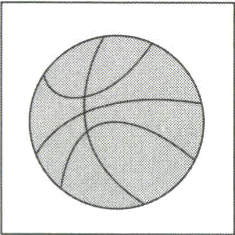
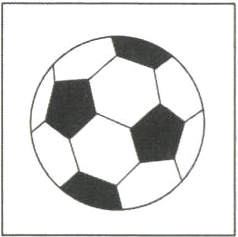
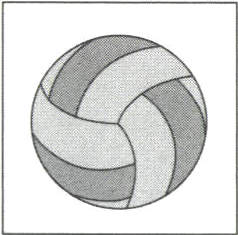
A. B. C.
( )12. Which means agreement in Sri Lanka?
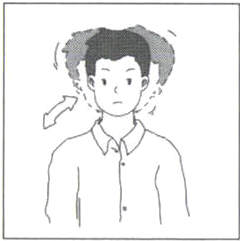
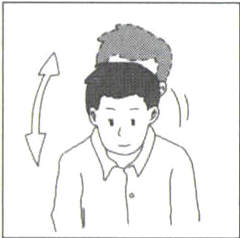
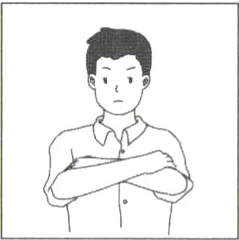
A. B. C.
( )13. How old is the dog?
A. Eight days old. B. Eight weeks old.
C. Eight months old.
( )14. What will the dog help people with?
A. Ear problems. B. Housework.
C. Eye problems.
( )15. What place does the girl often take the dog to?
A. Post offices.
B. Shopping centers and bus stops.
C. Parks.
( )16. What’s the purpose of the UN Language Days?
A. To encourage the use of six languages.
B. To help students learn languages better.
C. To help students make international friends.
( )17. When is the UN Chinese Language Day?
A. On April 19th. B. On April 20th.
C. On April 21st.
( )18. Who is David?
A. Mandy’s teacher. B. Mandy’s classmate.
C. Mandy’s neighbour.
( )11. What sport did Emma play?
A. B. C.
( )12. Which means agreement in Sri Lanka?
A. B. C.
( )13. How old is the dog?
A. Eight days old. B. Eight weeks old.
C. Eight months old.
( )14. What will the dog help people with?
A. Ear problems. B. Housework.
C. Eye problems.
( )15. What place does the girl often take the dog to?
A. Post offices.
B. Shopping centers and bus stops.
C. Parks.
( )16. What’s the purpose of the UN Language Days?
A. To encourage the use of six languages.
B. To help students learn languages better.
C. To help students make international friends.
( )17. When is the UN Chinese Language Day?
A. On April 19th. B. On April 20th.
C. On April 21st.
( )18. Who is David?
A. Mandy’s teacher. B. Mandy’s classmate.
C. Mandy’s neighbour.
答案:
11—15 AABCB 16—18 ABB
查看更多完整答案,请扫码查看

