

 搜索
搜索
2025年5年中考3年模拟英语人教版河南专版
注:目前有些书本章节名称可能整理的还不是很完善,但都是按照顺序排列的,请同学们按照顺序仔细查找。练习册 2025年5年中考3年模拟英语人教版河南专版 答案主要是用来给同学们做完题方便对答案用的,请勿直接抄袭。
第120页
- 第1页
- 第2页
- 第3页
- 第4页
- 第5页
- 第6页
- 第7页
- 第8页
- 第9页
- 第10页
- 第11页
- 第12页
- 第13页
- 第14页
- 第15页
- 第16页
- 第17页
- 第18页
- 第19页
- 第20页
- 第21页
- 第22页
- 第23页
- 第24页
- 第25页
- 第26页
- 第27页
- 第28页
- 第29页
- 第30页
- 第31页
- 第32页
- 第33页
- 第34页
- 第35页
- 第36页
- 第37页
- 第38页
- 第39页
- 第40页
- 第41页
- 第42页
- 第43页
- 第44页
- 第45页
- 第46页
- 第47页
- 第48页
- 第49页
- 第50页
- 第51页
- 第52页
- 第53页
- 第54页
- 第55页
- 第56页
- 第57页
- 第58页
- 第59页
- 第60页
- 第61页
- 第62页
- 第63页
- 第64页
- 第65页
- 第66页
- 第67页
- 第68页
- 第69页
- 第70页
- 第71页
- 第72页
- 第73页
- 第74页
- 第75页
- 第76页
- 第77页
- 第78页
- 第79页
- 第80页
- 第81页
- 第82页
- 第83页
- 第84页
- 第85页
- 第86页
- 第87页
- 第88页
- 第89页
- 第90页
- 第91页
- 第92页
- 第93页
- 第94页
- 第95页
- 第96页
- 第97页
- 第98页
- 第99页
- 第100页
- 第101页
- 第102页
- 第103页
- 第104页
- 第105页
- 第106页
- 第107页
- 第108页
- 第109页
- 第110页
- 第111页
- 第112页
- 第113页
- 第114页
- 第115页
- 第116页
- 第117页
- 第118页
- 第119页
- 第120页
- 第121页
- 第122页
- 第123页
- 第124页
- 第125页
- 第126页
- 第127页
- 第128页
- 第129页
- 第130页
- 第131页
- 第132页
- 第133页
- 第134页
- 第135页
- 第136页
- 第137页
- 第138页
- 第139页
- 第140页
- 第141页
- 第142页
- 第143页
- 第144页
- 第145页
- 第146页
- 第147页
- 第148页
- 第149页
- 第150页
- 第151页
- 第152页
- 第153页
- 第154页
- 第155页
- 第156页
- 第157页
- 第158页
- 第159页
- 第160页
- 第161页
- 第162页
- 第163页
- 第164页
- 第165页
- 第166页
- 第167页
- 第168页
- 第169页
- 第170页
一、用所给词的适当形式填空。
1. The story is so ________ that everyone is deeply ________. (move)
2. Have you ever cut your finger on the edge (边缘) of a book page? The small cut on the finger can be very ________ (pain).
3. The mother said goodbye with a smile, but her eyes couldn’t hide her ________ (sad).
4. Jerry played the guitar on the show, and his ____________ (perform) was so wonderful that people cheered happily.
5. The shoes are too small for me. I always feel ____________ (comfortable) when I wear them.
6. Some college students work as volunteers in their ________ (spare) time. They often do some cleaning for the old people.
7. When giving a presentation, you need to be ________ (relax), calm and confident(自信的).
8. He came to the house and ________ (knock) on the door, and a girl answered.
9. Scientific and educational outreach (延伸服务) also plays a key role in international giant panda ________ (exchange).
10. The TV series To the Wonder has become China’s breakout TV hit and won ________ (praise).
1. The story is so ________ that everyone is deeply ________. (move)
2. Have you ever cut your finger on the edge (边缘) of a book page? The small cut on the finger can be very ________ (pain).
3. The mother said goodbye with a smile, but her eyes couldn’t hide her ________ (sad).
4. Jerry played the guitar on the show, and his ____________ (perform) was so wonderful that people cheered happily.
5. The shoes are too small for me. I always feel ____________ (comfortable) when I wear them.
6. Some college students work as volunteers in their ________ (spare) time. They often do some cleaning for the old people.
7. When giving a presentation, you need to be ________ (relax), calm and confident(自信的).
8. He came to the house and ________ (knock) on the door, and a girl answered.
9. Scientific and educational outreach (延伸服务) also plays a key role in international giant panda ________ (exchange).
10. The TV series To the Wonder has become China’s breakout TV hit and won ________ (praise).
答案:
1.moving;moved 2.painful 3.sadness 4.performance 5.uncomfortable 6.spare 7.relaxed 8.knocked 9.exchange(s) 10.praise
二、用方框中所给单词的适当形式完成句子。
worth wound suppose basic prefer manner sense suggest smooth shake
1. Most dogs like to hang out with other dogs while most cats ________ to be alone.
2. All students are ________ to hand in their homework on time.
3. There are many beautiful places in Zhengzhou. They are ________ visiting.
4. I don’t know when ________ hands with others and when not to.
5. I have lots of ________ for the project.
6. The famous professor will give us a speech about some table ________.
7. Sugar painters use syrup (糖浆) as the material, a spoon as the “paintbrush”, and a ________ table as the “paper”.
8. I still remember my first few tai chi classes. The ________ skill I learned was keeping my balance (平衡).
9. The sad news came. The soldier had died of gunshot ________.
10. From his words, I can ________ his deep love for our country.
worth wound suppose basic prefer manner sense suggest smooth shake
1. Most dogs like to hang out with other dogs while most cats ________ to be alone.
2. All students are ________ to hand in their homework on time.
3. There are many beautiful places in Zhengzhou. They are ________ visiting.
4. I don’t know when ________ hands with others and when not to.
5. I have lots of ________ for the project.
6. The famous professor will give us a speech about some table ________.
7. Sugar painters use syrup (糖浆) as the material, a spoon as the “paintbrush”, and a ________ table as the “paper”.
8. I still remember my first few tai chi classes. The ________ skill I learned was keeping my balance (平衡).
9. The sad news came. The soldier had died of gunshot ________.
10. From his words, I can ________ his deep love for our country.
答案:
1.prefer 2.supposed 3.worth 4.to shake 5.suggestions 6.manners 7.smooth 8.basic 9.wounds 10.sense
三、句子盲填。
1. Bill has a great sense _____ humour and often makes people laugh.
2. ______ my surprise, they helped me find my lost bike.
3. Students love the teachers ______ are outgoing and humorous.
4. Mr. Clark shut ______ the electricity as quickly as possible when he saw the fire on the machine.
5. Mike can’t go to the party with us because he has to stay at home and look after his sister. ______ that case, we won’t wait for him any more.
1. Bill has a great sense _____ humour and often makes people laugh.
2. ______ my surprise, they helped me find my lost bike.
3. Students love the teachers ______ are outgoing and humorous.
4. Mr. Clark shut ______ the electricity as quickly as possible when he saw the fire on the machine.
5. Mike can’t go to the party with us because he has to stay at home and look after his sister. ______ that case, we won’t wait for him any more.
答案:
1.of 2.To 3.who 4.off 5.In
四、阅读理解。[2024江西]
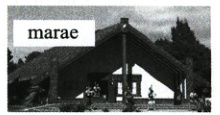
The Maori arrived in New Zealand from Polynesian (波利尼西亚) islands about a thousand years ago. They were the first people to live in New Zealand.
In the late 18th century, Europeans came to live in New Zealand. At that time, the population of the Maori was maybe 250,000 in New Zealand. Over the next one hundred years, wars and disease killed many Maori people. By the end of the 19th century, there were only about 40,000 Maori people left. During this time, the Maori also lost much of their land to the Europeans. Many of them were afraid that they might lose their traditions and language too, but this did not happen.
Today the Maori population is increasing. There are about 500,000 Maori people in New Zealand. Most live like other New Zealanders, but they are keeping the Maori language and traditions alive. There are now Maori radio and television stations. Many schools teach in the Maori language. Nearly one half of Maori language speakers are 25 years old or younger.
Maori culture is also alive and well. At the center of Maori culture is the “marae”. This is a special place for ceremonies and meetings. Today the number of marae in New Zealand is increasing. Many of the new marae are in the cities. Now people in the cities can meet and learn about their Maori traditions.
Today most New Zealand cities have Maori festivals each year. Among festival activities are competitions in speaking, dancing and singing. Children practice for months. Then all the Maori in the area arrive to watch the competitions and see who wins.
The Maori have gone through hard times. Today they live a comfortable, modern life. They keep their cultural traditions alive, because they have passed and are passing them on to their children.
1. When did the Maori first arrive in New Zealand?
A. Around 11th century.
B. Around 14th century.
C. Around 16th century.
D. Around 18th century.
2. What happened to the Maori during the 19th century?
A. They owned more land.
B. They lost their language.
C. They left New Zealand.
D. They had a smaller population.
3. How do the Maori keep their traditions alive?
Check and choose the right answer.
a. Increase the number of marae.
b. Move to the center of New Zealand.
c. Set up Maori radio and TV stations.
d. Teach in the Maori language in many schools.
e. Hold competitions in speaking, dancing and singing.
A. bcde
B. abcd
C. abde
D. acde
4. What’s the theme of the passage?
A. Art.
B. Culture.
C. Travel.
D. Technology.
5. What would be the best structure of the passage?
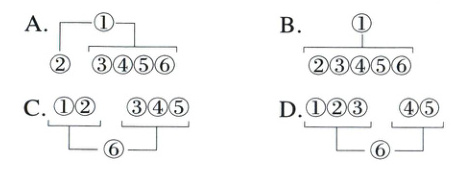
The Maori arrived in New Zealand from Polynesian (波利尼西亚) islands about a thousand years ago. They were the first people to live in New Zealand.
In the late 18th century, Europeans came to live in New Zealand. At that time, the population of the Maori was maybe 250,000 in New Zealand. Over the next one hundred years, wars and disease killed many Maori people. By the end of the 19th century, there were only about 40,000 Maori people left. During this time, the Maori also lost much of their land to the Europeans. Many of them were afraid that they might lose their traditions and language too, but this did not happen.
Today the Maori population is increasing. There are about 500,000 Maori people in New Zealand. Most live like other New Zealanders, but they are keeping the Maori language and traditions alive. There are now Maori radio and television stations. Many schools teach in the Maori language. Nearly one half of Maori language speakers are 25 years old or younger.
Maori culture is also alive and well. At the center of Maori culture is the “marae”. This is a special place for ceremonies and meetings. Today the number of marae in New Zealand is increasing. Many of the new marae are in the cities. Now people in the cities can meet and learn about their Maori traditions.
Today most New Zealand cities have Maori festivals each year. Among festival activities are competitions in speaking, dancing and singing. Children practice for months. Then all the Maori in the area arrive to watch the competitions and see who wins.
The Maori have gone through hard times. Today they live a comfortable, modern life. They keep their cultural traditions alive, because they have passed and are passing them on to their children.
1. When did the Maori first arrive in New Zealand?
A. Around 11th century.
B. Around 14th century.
C. Around 16th century.
D. Around 18th century.
2. What happened to the Maori during the 19th century?
A. They owned more land.
B. They lost their language.
C. They left New Zealand.
D. They had a smaller population.
3. How do the Maori keep their traditions alive?
Check and choose the right answer.
a. Increase the number of marae.
b. Move to the center of New Zealand.
c. Set up Maori radio and TV stations.
d. Teach in the Maori language in many schools.
e. Hold competitions in speaking, dancing and singing.
A. bcde
B. abcd
C. abde
D. acde
4. What’s the theme of the passage?
A. Art.
B. Culture.
C. Travel.
D. Technology.
5. What would be the best structure of the passage?
答案:
1—5 ADDBC
五、完形填空。[2024漯河临颍期中]
When I was in sixth grade, I joined the band program to learn to play the clarinet(单簧管). The beginning of the year had gone smoothly. But as most students progressed, I seemed to fall behind.
One day, when my teacher told us to play in front of the other students, I was filled with 1 . I knew I would mess up. When I began to play, my rhythms(节奏) were good, but my tone was another story. “Didn’t you practice in your lessons?” the teacher shouted at 2 . I was so ashamed, feeling as if my world was falling apart.
From then on, I 3 playing the clarinet and I kept getting worse. I even started to ask for sick leave 4 there was a clarinet lesson. And I thought it was much 5 than facing the painful reality.
I continued 6 the lessons until my mum asked about it.
“I don’t want to learn it anymore,” my tears started flowing.
“Do you really want to 7 ? Then why are you crying?” asked Mum. She had a point(说得对) and I realized I wanted to 8 in the band. All these days, I had created a black 9 that would be difficult to climb out of. I decided to stand up 10 and face my fear.
The next day, I met with my other band teacher. I told her I was having a problem and 11 understand why. She asked me gently to play for her. I tried, 12 only an unpleasant sound came out. She didn’t shout at me and handed me a new reed(簧片). I put it in place and tried again. To my great 13 , I played well. My problem was solved and it turned out not to be my problem at all! My fear finally disappeared and I 14 a lot in clarinet that year. Looking 15 , I’m glad that I got over my fear. Hiding from fears only digs a hole, which is certainly not a way out. Only by facing them can we be free of them. And only after that, we may find life easier and much more enjoyable.
1. A. hope
B. mess
C. fear
D. power
2. A. us
B. me
C. him
D. them
3. A. hated
B. enjoyed
C. finished
D. practised
4. A. whoever
B. whenever
C. whatever
D. wherever
5. A. easier
B. closer
C. funnier
D. politer
6. A. teaching
B. reviewing
C. expecting
D. missing
7. A. grow up
B. wake up
C. give up
D. catch up
8. A. leave
B. stay
C. end
D. miss
9. A. hole
B. path
C. step
D. dream
10. A. secretly
B. silently
C. bravely
D. patiently
11. A. needn’t
B. couldn’t
C. shouldn’t
D. mustn’t
12. A. or
B. so
C. but
D. because
13. A. surprise
B. shame
C. regret
D. anger
14. A. changed
B. improved
C. forgot
D. suffered
15. A. out
B. forward
C. around
D. back
When I was in sixth grade, I joined the band program to learn to play the clarinet(单簧管). The beginning of the year had gone smoothly. But as most students progressed, I seemed to fall behind.
One day, when my teacher told us to play in front of the other students, I was filled with 1 . I knew I would mess up. When I began to play, my rhythms(节奏) were good, but my tone was another story. “Didn’t you practice in your lessons?” the teacher shouted at 2 . I was so ashamed, feeling as if my world was falling apart.
From then on, I 3 playing the clarinet and I kept getting worse. I even started to ask for sick leave 4 there was a clarinet lesson. And I thought it was much 5 than facing the painful reality.
I continued 6 the lessons until my mum asked about it.
“I don’t want to learn it anymore,” my tears started flowing.
“Do you really want to 7 ? Then why are you crying?” asked Mum. She had a point(说得对) and I realized I wanted to 8 in the band. All these days, I had created a black 9 that would be difficult to climb out of. I decided to stand up 10 and face my fear.
The next day, I met with my other band teacher. I told her I was having a problem and 11 understand why. She asked me gently to play for her. I tried, 12 only an unpleasant sound came out. She didn’t shout at me and handed me a new reed(簧片). I put it in place and tried again. To my great 13 , I played well. My problem was solved and it turned out not to be my problem at all! My fear finally disappeared and I 14 a lot in clarinet that year. Looking 15 , I’m glad that I got over my fear. Hiding from fears only digs a hole, which is certainly not a way out. Only by facing them can we be free of them. And only after that, we may find life easier and much more enjoyable.
1. A. hope
B. mess
C. fear
D. power
2. A. us
B. me
C. him
D. them
3. A. hated
B. enjoyed
C. finished
D. practised
4. A. whoever
B. whenever
C. whatever
D. wherever
5. A. easier
B. closer
C. funnier
D. politer
6. A. teaching
B. reviewing
C. expecting
D. missing
7. A. grow up
B. wake up
C. give up
D. catch up
8. A. leave
B. stay
C. end
D. miss
9. A. hole
B. path
C. step
D. dream
10. A. secretly
B. silently
C. bravely
D. patiently
11. A. needn’t
B. couldn’t
C. shouldn’t
D. mustn’t
12. A. or
B. so
C. but
D. because
13. A. surprise
B. shame
C. regret
D. anger
14. A. changed
B. improved
C. forgot
D. suffered
15. A. out
B. forward
C. around
D. back
答案:
1—5 CBABA 6—10 DCBAC 11—15 BCABD
六、语篇填空。[2024安阳一模]
阅读短文,从方框中选择适当的词并用其正确形式填空,使短文通顺、意思完整。每空限填一词,每词限用一次。
they modern high Chinese friend leave but tradition read in
In ancient China, when people were separating, they would pick a willow (柳树) twig (枝条) and give it to the person who was 1. _______. This was to express their wishes for him to stay. In 2. _______, the word for “willow” is pronounced the same way as the word for “stay”.
Many Chinese poets liked writing about willows in 3. _______ works. One of the best poems is Seeing Yuan the Second off to the Northwest Frontier(《送元二使安西》) by Wang Wei. It 4. _______,
No dust is raised on the road wet with morning rain;
The willows by the hotel look so fresh and green.
I invite you to drink a cup of wine again;
West of the Sunny Pass no more 5. _______ will be seen.
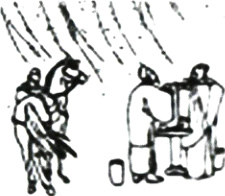
Nowadays, willow twigs can also be seen in 6. _______ art. There was an amazing performance about willow twigs. 365 people held willow twigs 7. _______ their hands on the green stage. At the same time, a painting of weeping willows (垂柳) appeared on the LED screen. The setting of 365 people stood for 365 days, and the color green meant the return of spring. The performance was praised 8. _______ by the audience (观众). “I was deeply attracted by 9. _______ Chinese culture,” one of them said.
In short, giving a willow twig to a person is not saying goodbye 10. _______ asking him to stay. This is the beauty of Chinese culture.
阅读短文,从方框中选择适当的词并用其正确形式填空,使短文通顺、意思完整。每空限填一词,每词限用一次。
they modern high Chinese friend leave but tradition read in
In ancient China, when people were separating, they would pick a willow (柳树) twig (枝条) and give it to the person who was 1. _______. This was to express their wishes for him to stay. In 2. _______, the word for “willow” is pronounced the same way as the word for “stay”.
Many Chinese poets liked writing about willows in 3. _______ works. One of the best poems is Seeing Yuan the Second off to the Northwest Frontier(《送元二使安西》) by Wang Wei. It 4. _______,
No dust is raised on the road wet with morning rain;
The willows by the hotel look so fresh and green.
I invite you to drink a cup of wine again;
West of the Sunny Pass no more 5. _______ will be seen.
Nowadays, willow twigs can also be seen in 6. _______ art. There was an amazing performance about willow twigs. 365 people held willow twigs 7. _______ their hands on the green stage. At the same time, a painting of weeping willows (垂柳) appeared on the LED screen. The setting of 365 people stood for 365 days, and the color green meant the return of spring. The performance was praised 8. _______ by the audience (观众). “I was deeply attracted by 9. _______ Chinese culture,” one of them said.
In short, giving a willow twig to a person is not saying goodbye 10. _______ asking him to stay. This is the beauty of Chinese culture.
答案:
1.leaving 2.Chinese 3.their 4.reads 5.friends 6.modern 7.in 8.highly 9.traditional 10.but
七、补全对话。[2024周口沈丘三模]
A: Hi, Xue Tao! 1. __________________________?
B: I’ve been to Beijing to visit my uncle these days.
A: That’s great! But you look sad. 2. ______________________________?
B: It’s because of my English. There are many foreigners there. One of them wanted to say something to me, but I was too nervous to say a word.
A: What a pity! 3. __________________________?
B: I’ve learned English for two and a half years. You know sometimes I feel like giving it up.
A: Oh, never give up. It’s so important! English is widely spoken now.
B: I know that. But could you give me some advice on how to learn oral English well?
A: 4. ______________________________. You should practice more often. Speak English with your best friends at first. And then try to speak it in class. I think your oral English will be improved a lot.
B: Thanks. I’ll have a try!
A: 5. ______________________________.
A: Hi, Xue Tao! 1. __________________________?
B: I’ve been to Beijing to visit my uncle these days.
A: That’s great! But you look sad. 2. ______________________________?
B: It’s because of my English. There are many foreigners there. One of them wanted to say something to me, but I was too nervous to say a word.
A: What a pity! 3. __________________________?
B: I’ve learned English for two and a half years. You know sometimes I feel like giving it up.
A: Oh, never give up. It’s so important! English is widely spoken now.
B: I know that. But could you give me some advice on how to learn oral English well?
A: 4. ______________________________. You should practice more often. Speak English with your best friends at first. And then try to speak it in class. I think your oral English will be improved a lot.
B: Thanks. I’ll have a try!
A: 5. ______________________________.
答案:
1.Where have you been these days/... 2.What’s the matter ( with you )/What’s wrong ( with you)/Why/... 3.How long have you learned English/... 4.Sure/Of course/Yes/... 5.You’re welcome/...
查看更多完整答案,请扫码查看

