

 搜索
搜索
2025年黄冈状元成才路状元大课堂七年级英语下册通用版
注:目前有些书本章节名称可能整理的还不是很完善,但都是按照顺序排列的,请同学们按照顺序仔细查找。练习册 2025年黄冈状元成才路状元大课堂七年级英语下册通用版 答案主要是用来给同学们做完题方便对答案用的,请勿直接抄袭。
第84页
- 第1页
- 第2页
- 第3页
- 第4页
- 第5页
- 第6页
- 第7页
- 第8页
- 第9页
- 第10页
- 第11页
- 第12页
- 第13页
- 第14页
- 第15页
- 第16页
- 第17页
- 第18页
- 第19页
- 第20页
- 第21页
- 第22页
- 第23页
- 第24页
- 第25页
- 第26页
- 第27页
- 第28页
- 第29页
- 第30页
- 第31页
- 第32页
- 第33页
- 第34页
- 第35页
- 第36页
- 第37页
- 第38页
- 第39页
- 第40页
- 第41页
- 第42页
- 第43页
- 第44页
- 第45页
- 第46页
- 第47页
- 第48页
- 第49页
- 第50页
- 第51页
- 第52页
- 第53页
- 第54页
- 第55页
- 第56页
- 第57页
- 第58页
- 第59页
- 第60页
- 第61页
- 第62页
- 第63页
- 第64页
- 第65页
- 第66页
- 第67页
- 第68页
- 第69页
- 第70页
- 第71页
- 第72页
- 第73页
- 第74页
- 第75页
- 第76页
- 第77页
- 第78页
- 第79页
- 第80页
- 第81页
- 第82页
- 第83页
- 第84页
- 第85页
- 第86页
- 第87页
- 第88页
- 第89页
- 第90页
- 第91页
- 第92页
- 第93页
- 第94页
- 第95页
- 第96页
- 第97页
- 第98页
- 第99页
- 第100页
- 第101页
- 第102页
- 第103页
- 第104页
- 第105页
- 第106页
- 第107页
- 第108页
- 第109页
- 第110页
- 第111页
- 第112页
- 第113页
- 第114页
- 第115页
- 第116页
- 第117页
- 第118页
- 第119页
- 第120页
- 第121页
- 第122页
- 第123页
- 第124页
- 第125页
- 第126页
- 第127页
- 第128页
- 第129页
- 第130页
- 第131页
- 第132页
- 第133页
- 第134页
- 第135页
- 第136页
- 第137页
- 第138页
- 第139页
- 第140页
- 第141页
- 第142页
- 第143页
- 第144页
- 第145页
- 第146页
- 第147页
- 第148页
- 第149页
- 第150页
- 第151页
- 第152页
- 第153页
- 第154页
- 第155页
- 第156页
- 第157页
- 第158页
- 第159页
- 第160页
- 第161页
- 第162页
- 第163页
- 第164页
- 第165页
- 第166页
- 第167页
- 第168页
- 第169页
- 第170页
- 第171页
- 第172页
- 第173页
- 第174页
- 第175页
- 第176页
- 第177页
- 第178页
- 第179页
- 第180页
- 第181页
- 第182页
- 第183页
- 第184页
- 第185页
- 第186页
- 第187页
- 第188页
- 第189页
- 第190页
- 第191页
- 第192页
- 第193页
- 第194页
- 第195页
- 第196页
- 第197页
- 第198页
- 第199页
- 第200页
- 第201页
- 第202页
- 第203页
- 第204页
- 第205页
- 第206页
- 第207页
- 第208页
- 第209页
- 第210页
- 第211页
- 第212页
- 第213页
- 第214页
- 第215页
- 第216页
- 第217页
- 第218页
- 第219页
- 第220页
- 第221页
- 第222页
- 第223页
- 第224页
- 第225页
- 第226页
- 第227页
- 第228页
- 第229页
- 第230页
- 第231页
- 第232页
- 第233页
- 第234页
- 第235页
- 第236页
- 第237页
- 第238页
- 第239页
- 第240页
- 第241页
- 第242页
- 第243页
- 第244页
- 第245页
- 第246页
1 Listen and repeat. Add one more word to each group.
听录音并跟读。为每组添加一个单词。
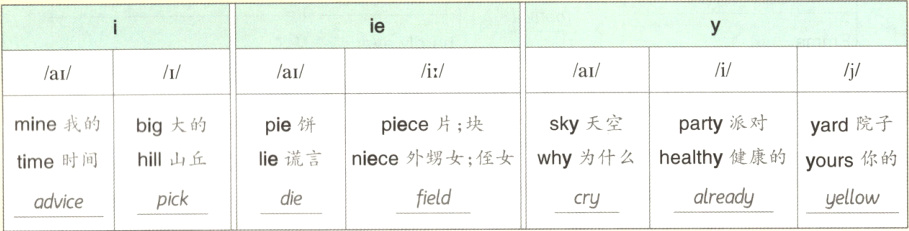
参考答案 见表格中
听录音并跟读。为每组添加一个单词。
参考答案 见表格中
答案:
2a Listen to the conversation and fill in the blanks. 听对话,并填空。
Emma: There is a (1) ______ bat here. Is it yours? 现存句:
这里有一只乒乓球拍。是你的吗? There is/are+某人/某物+其他.
(某地)有某人/某物。
Jim: No, it isn’t mine. Is it Ella’s? there没有实际意义,be动词和后面
不,这不是我的。是埃拉的吗? 是Ella的所有格形式,句 的名词在数的方面保持一致。
中Ella’s后省略了bat ◇ There is a shark in the zoo.
Emma: No, hers is (2) ______. 动物园里有条鲨鱼。
不,她的在家里。 ◇ There are many monkeys here. 这里有许多猴子。
Jim: Maybe it’s Yaming’s.
也许是亚明的。
Emma: Hi, Yaming! Is this your bat?
嗨,亚明! 这是你的球拍吗?
Yaming: Oh yes, it’s mine. Thanks!
哦,是的,这是我的。谢谢!
/welˈjuːzd/ (形容词) 使用得多的
Emma: (3) ______. Your bat looks well - used. Do you play often?
不客气。你的球拍看起来经常使用。你经常打球吗?
Yaming: Yes, (4) ______, and sometimes more! And you?
是的,一周两次,有时打得更多! 那你呢? 在回答对方问题后,也想了解对方在该方
面的情况时会使用“And you?”进行询问。
Emma: Hardly ever. I’m (5) ______ at it! ◇ —How are you? 你好吗?
几乎不打。我不太擅长这个! —I’m well. And you? 我很好。你呢?
Yaming: Well, practice makes perfect. How often do you play, Jim?
好吧,熟能生巧。你多久打一次,吉姆?
Jim: I seldom do, but I often play badminton.
我很少打,但我经常打羽毛球。
表示前面所述的肯定情况也同样适用于自己。
Yaming: Oh, me too. ◇ —I must arrive at school on time. 我必须准时到校。
哦,我也是。 —Me too. 我也是。
Emma: I (6) ______ play badminton with Ella. We should all play doubles sometime!
我有时和埃拉一起打羽毛球。我们应该找时间一起双打!
用来回答别人的感谢或道歉。
◇ —Thanks for helping me. 谢谢你帮我。
—Not at all. 不客气。

参考答案 (1)ping - pong (2)at home (3)Not at all (4)twice a week (5)not very good (6)sometimes
Emma: There is a (1) ______ bat here. Is it yours? 现存句:
这里有一只乒乓球拍。是你的吗? There is/are+某人/某物+其他.
(某地)有某人/某物。
Jim: No, it isn’t mine. Is it Ella’s? there没有实际意义,be动词和后面
不,这不是我的。是埃拉的吗? 是Ella的所有格形式,句 的名词在数的方面保持一致。
中Ella’s后省略了bat ◇ There is a shark in the zoo.
Emma: No, hers is (2) ______. 动物园里有条鲨鱼。
不,她的在家里。 ◇ There are many monkeys here. 这里有许多猴子。
Jim: Maybe it’s Yaming’s.
也许是亚明的。
Emma: Hi, Yaming! Is this your bat?
嗨,亚明! 这是你的球拍吗?
Yaming: Oh yes, it’s mine. Thanks!
哦,是的,这是我的。谢谢!
/welˈjuːzd/ (形容词) 使用得多的
Emma: (3) ______. Your bat looks well - used. Do you play often?
不客气。你的球拍看起来经常使用。你经常打球吗?
Yaming: Yes, (4) ______, and sometimes more! And you?
是的,一周两次,有时打得更多! 那你呢? 在回答对方问题后,也想了解对方在该方
面的情况时会使用“And you?”进行询问。
Emma: Hardly ever. I’m (5) ______ at it! ◇ —How are you? 你好吗?
几乎不打。我不太擅长这个! —I’m well. And you? 我很好。你呢?
Yaming: Well, practice makes perfect. How often do you play, Jim?
好吧,熟能生巧。你多久打一次,吉姆?
Jim: I seldom do, but I often play badminton.
我很少打,但我经常打羽毛球。
表示前面所述的肯定情况也同样适用于自己。
Yaming: Oh, me too. ◇ —I must arrive at school on time. 我必须准时到校。
哦,我也是。 —Me too. 我也是。
Emma: I (6) ______ play badminton with Ella. We should all play doubles sometime!
我有时和埃拉一起打羽毛球。我们应该找时间一起双打!
用来回答别人的感谢或道歉。
◇ —Thanks for helping me. 谢谢你帮我。
—Not at all. 不客气。
参考答案 (1)ping - pong (2)at home (3)Not at all (4)twice a week (5)not very good (6)sometimes
答案:
查看更多完整答案,请扫码查看

