

 搜索
搜索
第130页
- 第1页
- 第2页
- 第3页
- 第4页
- 第5页
- 第6页
- 第7页
- 第8页
- 第9页
- 第10页
- 第11页
- 第12页
- 第13页
- 第14页
- 第15页
- 第16页
- 第17页
- 第18页
- 第19页
- 第20页
- 第21页
- 第22页
- 第23页
- 第24页
- 第25页
- 第26页
- 第27页
- 第28页
- 第29页
- 第30页
- 第31页
- 第32页
- 第33页
- 第34页
- 第35页
- 第36页
- 第37页
- 第38页
- 第39页
- 第40页
- 第41页
- 第42页
- 第43页
- 第44页
- 第45页
- 第46页
- 第47页
- 第48页
- 第49页
- 第50页
- 第51页
- 第52页
- 第53页
- 第54页
- 第55页
- 第56页
- 第57页
- 第58页
- 第59页
- 第60页
- 第61页
- 第62页
- 第63页
- 第64页
- 第65页
- 第66页
- 第67页
- 第68页
- 第69页
- 第70页
- 第71页
- 第72页
- 第73页
- 第74页
- 第75页
- 第76页
- 第77页
- 第78页
- 第79页
- 第80页
- 第81页
- 第82页
- 第83页
- 第84页
- 第85页
- 第86页
- 第87页
- 第88页
- 第89页
- 第90页
- 第91页
- 第92页
- 第93页
- 第94页
- 第95页
- 第96页
- 第97页
- 第98页
- 第99页
- 第100页
- 第101页
- 第102页
- 第103页
- 第104页
- 第105页
- 第106页
- 第107页
- 第108页
- 第109页
- 第110页
- 第111页
- 第112页
- 第113页
- 第114页
- 第115页
- 第116页
- 第117页
- 第118页
- 第119页
- 第120页
- 第121页
- 第122页
- 第123页
- 第124页
- 第125页
- 第126页
- 第127页
- 第128页
- 第129页
- 第130页
- 第131页
- 第132页
- 第133页
- 第134页
- 第135页
- 第136页
- 第137页
- 第138页
- 第139页
- 第140页
- 第141页
- 第142页
- 第143页
- 第144页
一、听录音,根据所听内容,给下列图片排序。
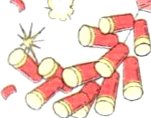

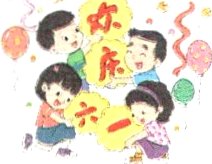
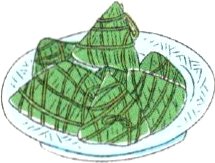
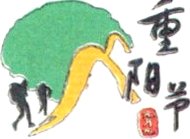
( ) ( ) ( ) ( ) ( )
( ) ( ) ( ) ( ) ( )
答案:
(2 5 4 3 1)
二、根据句意或提示,写出相应的单词或短语,完成句子。
A. 1. The ____________ is a festival for old people. People often ____________(爬山).
2. In China, people ____________(团聚)at the ____________. Some people eat jiaozi.
3. People eat rice dumplings at the ____________. It's my f________(最喜欢的)festival.
4. People eat moon cakes and fruit at the ____________(中秋节).
B. 1. Mary ________(not)like eating rice ________(dumpling).
2. —Would you like ________(eat)some moon ________(cake)? —Yes, please.
3. There are dragon boat ________(race)in some ________(place).
4. People usually ________(visit)________(they)parents and grandparents at the Double Ninth Festival.
A. 1. The ____________ is a festival for old people. People often ____________(爬山).
2. In China, people ____________(团聚)at the ____________. Some people eat jiaozi.
3. People eat rice dumplings at the ____________. It's my f________(最喜欢的)festival.
4. People eat moon cakes and fruit at the ____________(中秋节).
B. 1. Mary ________(not)like eating rice ________(dumpling).
2. —Would you like ________(eat)some moon ________(cake)? —Yes, please.
3. There are dragon boat ________(race)in some ________(place).
4. People usually ________(visit)________(they)parents and grandparents at the Double Ninth Festival.
答案:
A. 1. Double Ninth Festival, climb mountains
2. get together, Spring Festival
3. Dragon Boat Festival, favourite
4. Mid - Autumn Festival
B. 1. doesn’t, dumplings 2. to eat, cakes
3. races, places 4. visit their
1. 本题主语 Mary 是第三人称单数,否定助动词用 doesn’t;“吃粽子”译为 eat rice dumplings,dumpling 用复数形式。
2. 本题第一空考查了 would like to do sth 的用法;由 some 可知后面的可数名词用复数形式。
3. 第一空由 are 可知此处的名词用复数;第二空由 some 可知后面的名词用复数。
4. 由 usually 可知本题是一般现在时,主语 people 不是第三人称单数,谓语动词用原形;parents 是名词,前面应用形容词性物主代词,they 的形容词性物主代词是 their。
2. get together, Spring Festival
3. Dragon Boat Festival, favourite
4. Mid - Autumn Festival
B. 1. doesn’t, dumplings 2. to eat, cakes
3. races, places 4. visit their
1. 本题主语 Mary 是第三人称单数,否定助动词用 doesn’t;“吃粽子”译为 eat rice dumplings,dumpling 用复数形式。
2. 本题第一空考查了 would like to do sth 的用法;由 some 可知后面的可数名词用复数形式。
3. 第一空由 are 可知此处的名词用复数;第二空由 some 可知后面的名词用复数。
4. 由 usually 可知本题是一般现在时,主语 people 不是第三人称单数,谓语动词用原形;parents 是名词,前面应用形容词性物主代词,they 的形容词性物主代词是 their。
( )1. ________ is in June.
A. The Spring Festival
B. May Day
C. Children's Day
A. The Spring Festival
B. May Day
C. Children's Day
答案:
1~5 C A B B C
( )2. ________ comes after March.
A. April
B. January
C. February
A. April
B. January
C. February
答案:
1~5 C A B B C
( )3. The Mid - Autumn Festival is ________ September ________ October.
A. on;or
B. in;or
C. in;and
A. on;or
B. in;or
C. in;and
答案:
1~5 C A B B C
( )4. The Chongyang Festival is ________ old people.
A. to
B. for
C. with
A. to
B. for
C. with
答案:
1~5 C A B B C
( )5. My name is Li Ting. My mother usually ________ me Tingting.
A. tells
B. speaks
C. calls
A. tells
B. speaks
C. calls
答案:
1~5 C A B B C
查看更多完整答案,请扫码查看

