

 搜索
搜索
第129页
- 第1页
- 第2页
- 第3页
- 第4页
- 第5页
- 第6页
- 第7页
- 第8页
- 第9页
- 第10页
- 第11页
- 第12页
- 第13页
- 第14页
- 第15页
- 第16页
- 第17页
- 第18页
- 第19页
- 第20页
- 第21页
- 第22页
- 第23页
- 第24页
- 第25页
- 第26页
- 第27页
- 第28页
- 第29页
- 第30页
- 第31页
- 第32页
- 第33页
- 第34页
- 第35页
- 第36页
- 第37页
- 第38页
- 第39页
- 第40页
- 第41页
- 第42页
- 第43页
- 第44页
- 第45页
- 第46页
- 第47页
- 第48页
- 第49页
- 第50页
- 第51页
- 第52页
- 第53页
- 第54页
- 第55页
- 第56页
- 第57页
- 第58页
- 第59页
- 第60页
- 第61页
- 第62页
- 第63页
- 第64页
- 第65页
- 第66页
- 第67页
- 第68页
- 第69页
- 第70页
- 第71页
- 第72页
- 第73页
- 第74页
- 第75页
- 第76页
- 第77页
- 第78页
- 第79页
- 第80页
- 第81页
- 第82页
- 第83页
- 第84页
- 第85页
- 第86页
- 第87页
- 第88页
- 第89页
- 第90页
- 第91页
- 第92页
- 第93页
- 第94页
- 第95页
- 第96页
- 第97页
- 第98页
- 第99页
- 第100页
- 第101页
- 第102页
- 第103页
- 第104页
- 第105页
- 第106页
- 第107页
- 第108页
- 第109页
- 第110页
- 第111页
- 第112页
- 第113页
- 第114页
- 第115页
- 第116页
- 第117页
- 第118页
- 第119页
- 第120页
- 第121页
- 第122页
- 第123页
- 第124页
- 第125页
- 第126页
- 第127页
- 第128页
- 第129页
- 第130页
- 第131页
- 第132页
- 第133页
- 第134页
- 第135页
- 第136页
四、阅读理解(共15小题,每小题2分,满分30分)
A
Put Your Own National Culture on
What do you wear when you take a trip?Most of us
choose comfortable T-shirts and jeans. But Wang Tata, a
post-90s office clerk in Shanghai, prefers to wear hanfu.
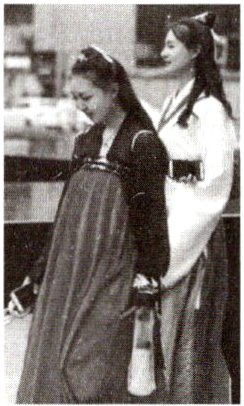
She told China Daily that each suit has its own cultural
and historic background and that learning about them
gives her a better understanding of traditional culture.
Wang is not the only one who turns to the traditional clothing. Qingzhi, a
law student, wears hanfu to class. With a history of over 3,000 years,
hanfu has had different styles in different dynasties. “It gives me endless
inspiration every day. I can discover a new self every single day,” Qingzhi
told CGTN.
Documentary about Dunhuang Online
The Master of Dunhuang, a documentary(纪录片),is set to debut(首次亮相)on one streaming
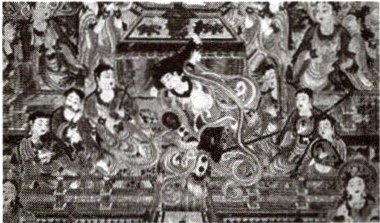
site. It follows the staffers who have spent years
popularizing Dunhuang's centuries-old heritage.
The first episode features Li Bo, a restoration expert. He teams up with his
student, aiming to safely separate overlapped murals(壁画)created during
different dynasties. The second tale is about Zhang Xiaoyang, who works at Mogao Cave 254. She is facing a hard choice — to continue the research with an uncertain chance of becoming successful or accept a new offer from
a college.
+
Dian cha is a tea art from the Song Dynasty.
In 2019, it was listed as an intangible(非物质)
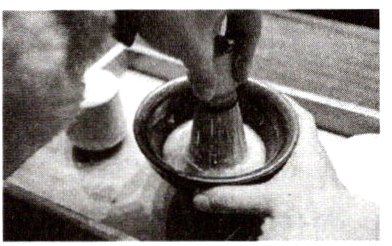
cultural heritage of Jiangsu Province. The Shanghai
designer Han Zheming has been fascinated by dian
cha since childhood. “My mother loves traditional culture and I have been
learning toward it under her influence,” said Han. After he graduated from
the China Academy of Art in 2006, Han began his attempt at reviving the
art form. To spread dian cha culture, Han put the process on social media
platforms, attracting more than 20,000 followers.
51. In which section of the newspaper can we read the news?
A. WORLD. B. FASHION. C. CULTURE. D. BUSINESS.
52. Many people turn to the traditional clothing NOT because ________ .
A. hanfu has had different styles
B. hanfu has its own cultural and historic background
C. hanfu provides endless inspiration for people
D. hanfu stops people from understanding the traditional culture
53. It's true that ________ .
A. the Master of Dunhuang is made up
B. Li Bo prefers to work on his own
C. Zhang Xiaoyang decides to go to a college
D. the staffers make efforts to spread Dunhuang's culture
54. What would be the best heading for the third piece of news?
A. Traditional Chinese Culture B. Charming Chinese Tea Art
C. Attract More Followers D. Discover a Tea Art
55. What do all the persons above have in common?
A. They hope to have more followers on social media platforms.
B. They have the deep love for traditional Chinese culture.
C. They spent most time on different social media platforms.
D. They have spent years learning traditional culture.
B
We've all had bad experiences with restaurants, stores or hotels. Maybe you've been to a restaurant that served terrible food. Perhaps you've been to a store that had high prices and bad service. Or maybe you've booked a hotel and found out later that the room was nothing like the advertisement.
These days, we have a better chance of stopping these unpleasant surprises. We can do this by using Apps. An App is a computer program on a smartphone. You can use Apps to do almost anything. Apps can help you play games, get directions, talk to friends, and so on.
If you want to find information about a store or a hotel, you can use a review App. Review Apps help us evaluate service and products before we hand over our money. The idea is very simple. After you go to a restaurant or stay in a hotel, you can post a review with one of your Apps. You can say anything you want. If you like a hotel that you stayed in, you can tell people that it was wonderful. If you think that the food in a certain restaurant was bad, then you can tell people not to eat there. Other people can use their Apps to read your reviews.
Plenty of people prefer not to use these review Apps. Many of these people think that it's a waste of time to look through websites and read reviews. These people prefer to go out and decide for themselves whether or not a service is good. However, review Apps are getting more and more popular every day. Some Apps are for exact services. For example, trip advisers give attention to travel, and good readers pay attention to books. There are also other larger
Apps that provide information for just about every service that you can think of.
56. If you want to book a hotel, a review App can ________ .
A. introduce the hotel before you book it
B. tell you how to use a system to book
C. tell you about other people who post reviews
D. help you write different reviews
57. What does the underlined word “it” in the third paragraph refer to?
A. The store.
B. The review.
C. The restaurant.
D. The hotel.
58. According to the passage, why do some people prefer NOT to use review
Apps?
A. They prefer to make their own decisions.
B. They don't trust review Apps.
C. They think it's a waste of money to read reviews.
D. They don't know how to use review Apps.
59. What is the passage mainly about?
A. There are only a few good Apps.
B. Apps can be truly useful.
C. Review Apps are even better than the others.
D. Apps are too expensive to use.
60. Where can you probably find the passage?
A. In a newspaper.
B. In a travel guide book.
C. In a story book.
D. In a sports magazine.
C
When he was a teenager, Hunter Adams was very unhappy and he spent many years in a special hospital with people with mental health problems.
When he left the hospital, Adams decided to become a doctor, so he went to a medical school in Virginia, USA. But when he was there, he did things in a different way. For example, he didn't like the doctors' white coats, so he wore shirts with flowers on them when he visited his patients and he tried to make them laugh. The doctors at the medical school didn't like Adams because he was too different.
★ He saw unhappy and lonely people and he tried to help them not just as patients, but as people, too. He spent a lot of time with children in the hospital and often dressed up like a clown to make the children laugh.
When he finished medical school and became a doctor, Adams opened his
own hospital, called “the Gesundheit Institute”, together with some other doctors. They wanted it to be a place with a different way of working with sick people.
Hunter Adams became famous during the 1980s, and in 1998, Universal Pictures made a film about his life. It was very successful. In the film, Robin Williams played Adams. Williams said, “Hunter is a really warm person, who believes that patients need a doctor who is a friend.”
61. When did Adams have mental health problems?
A. After he left medical school.
B. During the 1980s.
C. When he was a teenage boy.
D. After the film came out.
62. Which of the following can be put in ★ ?
A. Adams would treat his patients in the same way as other doctors.
B. Adams planned to regard people in hospital as his patients.
C. Adams hoped to open his own hospital.
D. However, Adams believed that people in hospital need more than medicine.
63. The underlined word “It” refers to “________”
A. a film about Adams's life
B. Adams's own hospital
C. a story about Adams's school life
D. Adam's different way of working
64. According to the passage, which statement is NOT true?
A. Adams wore shirts instead of white uniforms when visiting patients.
B. Robin Williams believed that patients need a doctor who is a friend.
C. In Adams' opinion, not only medicine was needed for patients.
D. Robin Williams was an actor.
65. The passage mainly tells us ________ .
A. how to cheer up patients
B. about people with mental health problems
C. about Adams' film
D. about a doctor named Hunter Adams
A
Put Your Own National Culture on
What do you wear when you take a trip?Most of us
choose comfortable T-shirts and jeans. But Wang Tata, a
post-90s office clerk in Shanghai, prefers to wear hanfu.
She told China Daily that each suit has its own cultural
and historic background and that learning about them
gives her a better understanding of traditional culture.
Wang is not the only one who turns to the traditional clothing. Qingzhi, a
law student, wears hanfu to class. With a history of over 3,000 years,
hanfu has had different styles in different dynasties. “It gives me endless
inspiration every day. I can discover a new self every single day,” Qingzhi
told CGTN.
Documentary about Dunhuang Online
The Master of Dunhuang, a documentary(纪录片),is set to debut(首次亮相)on one streaming
site. It follows the staffers who have spent years
popularizing Dunhuang's centuries-old heritage.
The first episode features Li Bo, a restoration expert. He teams up with his
student, aiming to safely separate overlapped murals(壁画)created during
different dynasties. The second tale is about Zhang Xiaoyang, who works at Mogao Cave 254. She is facing a hard choice — to continue the research with an uncertain chance of becoming successful or accept a new offer from
a college.
+
Dian cha is a tea art from the Song Dynasty.
In 2019, it was listed as an intangible(非物质)
cultural heritage of Jiangsu Province. The Shanghai
designer Han Zheming has been fascinated by dian
cha since childhood. “My mother loves traditional culture and I have been
learning toward it under her influence,” said Han. After he graduated from
the China Academy of Art in 2006, Han began his attempt at reviving the
art form. To spread dian cha culture, Han put the process on social media
platforms, attracting more than 20,000 followers.
51. In which section of the newspaper can we read the news?
A. WORLD. B. FASHION. C. CULTURE. D. BUSINESS.
52. Many people turn to the traditional clothing NOT because ________ .
A. hanfu has had different styles
B. hanfu has its own cultural and historic background
C. hanfu provides endless inspiration for people
D. hanfu stops people from understanding the traditional culture
53. It's true that ________ .
A. the Master of Dunhuang is made up
B. Li Bo prefers to work on his own
C. Zhang Xiaoyang decides to go to a college
D. the staffers make efforts to spread Dunhuang's culture
54. What would be the best heading for the third piece of news?
A. Traditional Chinese Culture B. Charming Chinese Tea Art
C. Attract More Followers D. Discover a Tea Art
55. What do all the persons above have in common?
A. They hope to have more followers on social media platforms.
B. They have the deep love for traditional Chinese culture.
C. They spent most time on different social media platforms.
D. They have spent years learning traditional culture.
B
We've all had bad experiences with restaurants, stores or hotels. Maybe you've been to a restaurant that served terrible food. Perhaps you've been to a store that had high prices and bad service. Or maybe you've booked a hotel and found out later that the room was nothing like the advertisement.
These days, we have a better chance of stopping these unpleasant surprises. We can do this by using Apps. An App is a computer program on a smartphone. You can use Apps to do almost anything. Apps can help you play games, get directions, talk to friends, and so on.
If you want to find information about a store or a hotel, you can use a review App. Review Apps help us evaluate service and products before we hand over our money. The idea is very simple. After you go to a restaurant or stay in a hotel, you can post a review with one of your Apps. You can say anything you want. If you like a hotel that you stayed in, you can tell people that it was wonderful. If you think that the food in a certain restaurant was bad, then you can tell people not to eat there. Other people can use their Apps to read your reviews.
Plenty of people prefer not to use these review Apps. Many of these people think that it's a waste of time to look through websites and read reviews. These people prefer to go out and decide for themselves whether or not a service is good. However, review Apps are getting more and more popular every day. Some Apps are for exact services. For example, trip advisers give attention to travel, and good readers pay attention to books. There are also other larger
Apps that provide information for just about every service that you can think of.
56. If you want to book a hotel, a review App can ________ .
A. introduce the hotel before you book it
B. tell you how to use a system to book
C. tell you about other people who post reviews
D. help you write different reviews
57. What does the underlined word “it” in the third paragraph refer to?
A. The store.
B. The review.
C. The restaurant.
D. The hotel.
58. According to the passage, why do some people prefer NOT to use review
Apps?
A. They prefer to make their own decisions.
B. They don't trust review Apps.
C. They think it's a waste of money to read reviews.
D. They don't know how to use review Apps.
59. What is the passage mainly about?
A. There are only a few good Apps.
B. Apps can be truly useful.
C. Review Apps are even better than the others.
D. Apps are too expensive to use.
60. Where can you probably find the passage?
A. In a newspaper.
B. In a travel guide book.
C. In a story book.
D. In a sports magazine.
C
When he was a teenager, Hunter Adams was very unhappy and he spent many years in a special hospital with people with mental health problems.
When he left the hospital, Adams decided to become a doctor, so he went to a medical school in Virginia, USA. But when he was there, he did things in a different way. For example, he didn't like the doctors' white coats, so he wore shirts with flowers on them when he visited his patients and he tried to make them laugh. The doctors at the medical school didn't like Adams because he was too different.
★ He saw unhappy and lonely people and he tried to help them not just as patients, but as people, too. He spent a lot of time with children in the hospital and often dressed up like a clown to make the children laugh.
When he finished medical school and became a doctor, Adams opened his
own hospital, called “the Gesundheit Institute”, together with some other doctors. They wanted it to be a place with a different way of working with sick people.
Hunter Adams became famous during the 1980s, and in 1998, Universal Pictures made a film about his life. It was very successful. In the film, Robin Williams played Adams. Williams said, “Hunter is a really warm person, who believes that patients need a doctor who is a friend.”
61. When did Adams have mental health problems?
A. After he left medical school.
B. During the 1980s.
C. When he was a teenage boy.
D. After the film came out.
62. Which of the following can be put in ★ ?
A. Adams would treat his patients in the same way as other doctors.
B. Adams planned to regard people in hospital as his patients.
C. Adams hoped to open his own hospital.
D. However, Adams believed that people in hospital need more than medicine.
63. The underlined word “It” refers to “________”
A. a film about Adams's life
B. Adams's own hospital
C. a story about Adams's school life
D. Adam's different way of working
64. According to the passage, which statement is NOT true?
A. Adams wore shirts instead of white uniforms when visiting patients.
B. Robin Williams believed that patients need a doctor who is a friend.
C. In Adams' opinion, not only medicine was needed for patients.
D. Robin Williams was an actor.
65. The passage mainly tells us ________ .
A. how to cheer up patients
B. about people with mental health problems
C. about Adams' film
D. about a doctor named Hunter Adams
答案:
51—55 CDDBB 56—60 ADABA
61—65 CDABD
61—65 CDABD
查看更多完整答案,请扫码查看

