

 搜索
搜索
第12页
- 第1页
- 第2页
- 第3页
- 第4页
- 第5页
- 第6页
- 第7页
- 第8页
- 第9页
- 第10页
- 第11页
- 第12页
- 第13页
- 第14页
- 第15页
- 第16页
- 第17页
- 第18页
- 第19页
- 第20页
- 第21页
- 第22页
- 第23页
- 第24页
- 第25页
- 第26页
- 第27页
- 第28页
- 第29页
- 第30页
- 第31页
- 第32页
- 第33页
- 第34页
- 第35页
- 第36页
- 第37页
- 第38页
- 第39页
- 第40页
- 第41页
- 第42页
- 第43页
- 第44页
- 第45页
- 第46页
- 第47页
- 第48页
- 第49页
- 第50页
- 第51页
- 第52页
- 第53页
- 第54页
- 第55页
- 第56页
- 第57页
- 第58页
- 第59页
- 第60页
- 第61页
- 第62页
- 第63页
- 第64页
- 第65页
- 第66页
- 第67页
- 第68页
- 第69页
- 第70页
- 第71页
- 第72页
- 第73页
- 第74页
- 第75页
- 第76页
- 第77页
- 第78页
- 第79页
- 第80页
- 第81页
- 第82页
- 第83页
- 第84页
- 第85页
- 第86页
- 第87页
- 第88页
- 第89页
- 第90页
- 第91页
- 第92页
- 第93页
- 第94页
- 第95页
- 第96页
- 第97页
- 第98页
- 第99页
- 第100页
- 第101页
- 第102页
- 第103页
- 第104页
- 第105页
- 第106页
- 第107页
- 第108页
- 第109页
- 第110页
- 第111页
- 第112页
- 第113页
- 第114页
- 第115页
- 第116页
- 第117页
- 第118页
- 第119页
- 第120页
- 第121页
- 第122页
- 第123页
- 第124页
- 第125页
- 第126页
- 第127页
- 第128页
- 第129页
- 第130页
- 第131页
- 第132页
- 第133页
- 第134页
- 第135页
- 第136页
四、阅读理解(共15小题,每小题2分,满分30分)
A
The Dog Walker
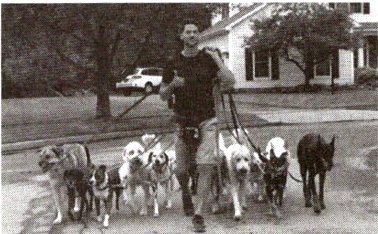
Kent is a dog walker. People pay him to take their dogs for a walk. He picks up five dogs from their homes and takes them to the park. The dogs run around together and Kent throws balls and frisbees(飞盘) for them. After an hour, he takes each dog home. Then he picks up another five dogs. He takes fifteen dogs for a walk every day. "This job is very hard, but I love it," says Kent. "I love dogs and I take good care of them."
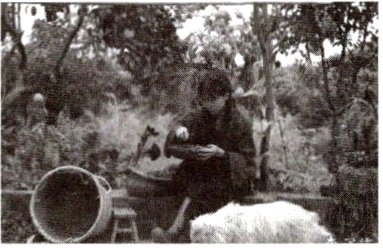
Picture a young Chinese woman in a field, dressed in traditional clothing, as she picks flowers to create makeup for her cheeks, makes a bamboo sofa and cooks up all sorts of delicious dishes. It may sound hard to believe, but such a person exists in modern China. With a fan base of more than 21 million people on Weibo and 7 million followers on video - sharing site, the woman has made a name for herself in a series of videos that show off a Chinese way of life in rural(农村) Sichuan Province. "I want to do my part to let more people know about Chinese culture," she said.
A Young Blanket Maker
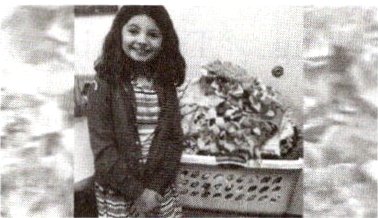
The 12 - year - old Lucy puts smiles on the faces of kids who are going through a hard time. She makes blankets(毯子) for children. The children may face some kind of challenge(挑战), feel lonely, or lose a family member. Lucy got the idea when she was eight. She learned to make a blanket as a gift for her friend's birthday. "I love it," Lucy says. "So I thought maybe other kids might need that little love." Her mom posted online that Lucy wanted to make a blanket for someone who needed care. They asked for suggestions. When 20 kids were suggested online, ★ . Since then, she has made more than 800 blankets for kids in 19 countries.
51. In which section of the newspaper can we read the news?
A. FAMILY. B. ANIMAL. C. BEAUTY. D. LIFE.
52. From the first piece of news, we can know Kent _________.
A. walks fifteen dogs each time B. thinks the job is too hard to do
C. walks dogs just on sunny days D. makes money by walking dogs
53. What would be the best heading for the second news?
A. Her Handmade Life B. How to Show Off
C. Be a Weibo Star D. Beautify Yourself
54. Which of the following can be put in ★ ?
A. she chose one of them B. she started to learn to make a blanket
C. she made blankets for all of them D. she asked her mother for help
55. Which of the following is true?
A. Kent loves dogs and takes good care of 15 dogs at his home.
B. The Chinese young woman is dressed in traditional clothes every day.
C. The Chinese young woman wants to spread Chinese culture.
D. Lucy puts smiling faces on the blankets made for kids who need care.
B
When I was fifteen, I announced to my English class that I was going to write and illustrate my own books. Many students nearly fell out of their chairs laughing. "Don't be silly, only geniuses can become writers," the English teacher said, "and you are getting a D this semester." I was so humiliated(感到羞辱的) that I burst into tears.
That night I wrote a short sad poem about broken dreams and mailed it to the Capri's Weekly Newspaper. To my surprise, they published it and sent me two dollars. I was a published and paid writer. I showed my teacher and fellow students. They laughed. "Just plain dumb luck," the teacher said. I tasted success. I'd sold the first thing I'd ever written. That was more than any of them had done and even if it was just dumb luck, it was fine with me.
During the next two years, I sold dozens of poems, letters, jokes and recipes. By the time I graduated from high school with a C average, I had never mentioned my writing to my teachers, friends or my family again. They were dream killers and if people must choose between their friends and their dreams, they must always choose their dreams.
I had four children at the time, and the oldest was only four. While the children were sleeping, I typed on my ancient typewriter. I wrote what I felt. Crying Wind, the title of my book, became a best - seller, which was translated into fifteen languages and Braille(盲文) and sold worldwide.
People ask what college I attended, what degrees I had and what qualifications I have to be a writer. The answer is: "None." I just write. I'm not gifted and I don't write right. To all those who dream of writing, I'm shouting at you: "Yes, you can. Don't listen to them." I don't write right but I've succeeded. Writing is easy and fun and anyone can do it.
56. Why did many students laugh after hearing what the writer said?
A. Because they envied her.
B. Because they felt it impossible for her to succeed.
C. Because they wished she were successful as a writer.
D. Because their teacher laughed, too.
57. When the writer graduated from high school, _________.
A. she had become a famous writer
B. her classmates and teachers admired her very much
C. she decided she wouldn't become a writer
D. she had made progress in her studies
58. What prevented the writer telling others about her writing?
A. The editors. B. The characters in her writing.
C. Her parents. D. Her early experience.
59. What can we infer from the passage?
A. It is difficult for a person, who cares about what others say, to succeed.
B. It is important for a person to tell others about what he wants to do.
C. It is necessary for a person, who wants to succeed, to take others' advice.
D. It is impossible for a normal person to be a writer in the future.
60. The best title for the passage could be "_________".
A. A Famous Writer B. I Hate My Classmates and Teachers
C. I Never Write Right D. A Genius Can Be a Writer
C
Have you ever heard that paintings are moved from galleries(美术馆) into a new home — hospitals?
The medical world is gradually realizing that the quality of the environment in hospitals may play an important role in the process of recovery(恢复) from illness.
As part of a nationwide effort in Britain to bring art out of the galleries and into public places, some of the country's most talented artists have been called in to change older hospitals and ★. Of the 2,500 National Health Service hospitals in Britain, almost 100 now have collections of art in hallways, waiting areas and treatment rooms.
This idea came from an artist, Peter Senior, who set up his studio(工作室) at a Manchester hospital in northeastern England during the early 1970s. He felt the artists had lost their place in modern society, and art should be enjoyed by a wider audience.
A typical hospital waiting room might have as many as 500 visitors each week. Any better place to hold regular exhibitions of art? Senior held the first exhibition of his own paintings in the out - patients waiting area of the Manchester Royal Hospital in 1975. Believed to be Britain's first hospital artist, he was soon joined by a team of six young art school graduates.
The effect is unusual. Now in hallways and waiting rooms, the visitors experience a full view of fresh colors, playful images and restful courtyards.
The quality of the environment may reduce the need for expensive drugs when a patient is recovering from an illness. A study has shown that patients who had a view onto a garden needed half the number of strong pain killers compared with patients who had no view at all or only a blank wall to look at.
61. Which of the following can be put in ★?
A. to make the corners of hospital buildings round
B. to improve the quality of treatment in hospitals
C. to pull down hospital buildings
D. to decorate(装饰) hospitals with art collections
62. We can learn Peter Senior is ________.
A. a pioneer in introducing art into hospitals
B. a doctor interested in painting
C. an artist who has a large collection of paintings
D. a patient who likes hospital art
63. We can infer from the passage that ________.
A. patients should be encouraged to learn painting
B. art galleries should be changed into hospitals
C. art is losing its audience around the world
D. art would be enjoyed in British hospitals
64. After the improvement of the hospital environment, ________.
A. patients use no pain killers in their recovery
B. the hospitals don't have brick walls at all
C. people can recover by themselves
D. patients may no longer fully depend on expensive drugs
65. The best title for the passage should be “________”.
A. Soften the Modern Buildings
B. The Effect of Galleries
C. Art Helps to Recover
D. The Paintings of Hospitals
A
The Dog Walker
Kent is a dog walker. People pay him to take their dogs for a walk. He picks up five dogs from their homes and takes them to the park. The dogs run around together and Kent throws balls and frisbees(飞盘) for them. After an hour, he takes each dog home. Then he picks up another five dogs. He takes fifteen dogs for a walk every day. "This job is very hard, but I love it," says Kent. "I love dogs and I take good care of them."
Picture a young Chinese woman in a field, dressed in traditional clothing, as she picks flowers to create makeup for her cheeks, makes a bamboo sofa and cooks up all sorts of delicious dishes. It may sound hard to believe, but such a person exists in modern China. With a fan base of more than 21 million people on Weibo and 7 million followers on video - sharing site, the woman has made a name for herself in a series of videos that show off a Chinese way of life in rural(农村) Sichuan Province. "I want to do my part to let more people know about Chinese culture," she said.
A Young Blanket Maker
The 12 - year - old Lucy puts smiles on the faces of kids who are going through a hard time. She makes blankets(毯子) for children. The children may face some kind of challenge(挑战), feel lonely, or lose a family member. Lucy got the idea when she was eight. She learned to make a blanket as a gift for her friend's birthday. "I love it," Lucy says. "So I thought maybe other kids might need that little love." Her mom posted online that Lucy wanted to make a blanket for someone who needed care. They asked for suggestions. When 20 kids were suggested online, ★ . Since then, she has made more than 800 blankets for kids in 19 countries.
51. In which section of the newspaper can we read the news?
A. FAMILY. B. ANIMAL. C. BEAUTY. D. LIFE.
52. From the first piece of news, we can know Kent _________.
A. walks fifteen dogs each time B. thinks the job is too hard to do
C. walks dogs just on sunny days D. makes money by walking dogs
53. What would be the best heading for the second news?
A. Her Handmade Life B. How to Show Off
C. Be a Weibo Star D. Beautify Yourself
54. Which of the following can be put in ★ ?
A. she chose one of them B. she started to learn to make a blanket
C. she made blankets for all of them D. she asked her mother for help
55. Which of the following is true?
A. Kent loves dogs and takes good care of 15 dogs at his home.
B. The Chinese young woman is dressed in traditional clothes every day.
C. The Chinese young woman wants to spread Chinese culture.
D. Lucy puts smiling faces on the blankets made for kids who need care.
B
When I was fifteen, I announced to my English class that I was going to write and illustrate my own books. Many students nearly fell out of their chairs laughing. "Don't be silly, only geniuses can become writers," the English teacher said, "and you are getting a D this semester." I was so humiliated(感到羞辱的) that I burst into tears.
That night I wrote a short sad poem about broken dreams and mailed it to the Capri's Weekly Newspaper. To my surprise, they published it and sent me two dollars. I was a published and paid writer. I showed my teacher and fellow students. They laughed. "Just plain dumb luck," the teacher said. I tasted success. I'd sold the first thing I'd ever written. That was more than any of them had done and even if it was just dumb luck, it was fine with me.
During the next two years, I sold dozens of poems, letters, jokes and recipes. By the time I graduated from high school with a C average, I had never mentioned my writing to my teachers, friends or my family again. They were dream killers and if people must choose between their friends and their dreams, they must always choose their dreams.
I had four children at the time, and the oldest was only four. While the children were sleeping, I typed on my ancient typewriter. I wrote what I felt. Crying Wind, the title of my book, became a best - seller, which was translated into fifteen languages and Braille(盲文) and sold worldwide.
People ask what college I attended, what degrees I had and what qualifications I have to be a writer. The answer is: "None." I just write. I'm not gifted and I don't write right. To all those who dream of writing, I'm shouting at you: "Yes, you can. Don't listen to them." I don't write right but I've succeeded. Writing is easy and fun and anyone can do it.
56. Why did many students laugh after hearing what the writer said?
A. Because they envied her.
B. Because they felt it impossible for her to succeed.
C. Because they wished she were successful as a writer.
D. Because their teacher laughed, too.
57. When the writer graduated from high school, _________.
A. she had become a famous writer
B. her classmates and teachers admired her very much
C. she decided she wouldn't become a writer
D. she had made progress in her studies
58. What prevented the writer telling others about her writing?
A. The editors. B. The characters in her writing.
C. Her parents. D. Her early experience.
59. What can we infer from the passage?
A. It is difficult for a person, who cares about what others say, to succeed.
B. It is important for a person to tell others about what he wants to do.
C. It is necessary for a person, who wants to succeed, to take others' advice.
D. It is impossible for a normal person to be a writer in the future.
60. The best title for the passage could be "_________".
A. A Famous Writer B. I Hate My Classmates and Teachers
C. I Never Write Right D. A Genius Can Be a Writer
C
Have you ever heard that paintings are moved from galleries(美术馆) into a new home — hospitals?
The medical world is gradually realizing that the quality of the environment in hospitals may play an important role in the process of recovery(恢复) from illness.
As part of a nationwide effort in Britain to bring art out of the galleries and into public places, some of the country's most talented artists have been called in to change older hospitals and ★. Of the 2,500 National Health Service hospitals in Britain, almost 100 now have collections of art in hallways, waiting areas and treatment rooms.
This idea came from an artist, Peter Senior, who set up his studio(工作室) at a Manchester hospital in northeastern England during the early 1970s. He felt the artists had lost their place in modern society, and art should be enjoyed by a wider audience.
A typical hospital waiting room might have as many as 500 visitors each week. Any better place to hold regular exhibitions of art? Senior held the first exhibition of his own paintings in the out - patients waiting area of the Manchester Royal Hospital in 1975. Believed to be Britain's first hospital artist, he was soon joined by a team of six young art school graduates.
The effect is unusual. Now in hallways and waiting rooms, the visitors experience a full view of fresh colors, playful images and restful courtyards.
The quality of the environment may reduce the need for expensive drugs when a patient is recovering from an illness. A study has shown that patients who had a view onto a garden needed half the number of strong pain killers compared with patients who had no view at all or only a blank wall to look at.
61. Which of the following can be put in ★?
A. to make the corners of hospital buildings round
B. to improve the quality of treatment in hospitals
C. to pull down hospital buildings
D. to decorate(装饰) hospitals with art collections
62. We can learn Peter Senior is ________.
A. a pioneer in introducing art into hospitals
B. a doctor interested in painting
C. an artist who has a large collection of paintings
D. a patient who likes hospital art
63. We can infer from the passage that ________.
A. patients should be encouraged to learn painting
B. art galleries should be changed into hospitals
C. art is losing its audience around the world
D. art would be enjoyed in British hospitals
64. After the improvement of the hospital environment, ________.
A. patients use no pain killers in their recovery
B. the hospitals don't have brick walls at all
C. people can recover by themselves
D. patients may no longer fully depend on expensive drugs
65. The best title for the passage should be “________”.
A. Soften the Modern Buildings
B. The Effect of Galleries
C. Art Helps to Recover
D. The Paintings of Hospitals
答案:
51 - 55 DDACC 56 - 60 BDDAC
61 - 65 DADDC
61 - 65 DADDC
查看更多完整答案,请扫码查看

