

 搜索
搜索
第59页
- 第2页
- 第3页
- 第4页
- 第5页
- 第6页
- 第7页
- 第8页
- 第9页
- 第10页
- 第11页
- 第12页
- 第13页
- 第14页
- 第15页
- 第16页
- 第17页
- 第18页
- 第19页
- 第20页
- 第21页
- 第22页
- 第23页
- 第24页
- 第25页
- 第26页
- 第27页
- 第28页
- 第29页
- 第30页
- 第31页
- 第32页
- 第33页
- 第34页
- 第35页
- 第36页
- 第37页
- 第38页
- 第39页
- 第40页
- 第41页
- 第42页
- 第43页
- 第44页
- 第45页
- 第46页
- 第47页
- 第48页
- 第49页
- 第50页
- 第51页
- 第52页
- 第53页
- 第54页
- 第55页
- 第56页
- 第57页
- 第58页
- 第59页
- 第60页
- 第61页
- 第62页
- 第63页
- 第64页
- 第65页
- 第66页
- 第67页
- 第68页
- 第69页
- 第70页
- 第71页
- 第72页
- 第73页
- 第74页
- 第75页
- 第76页
- 第77页
- 第78页
- 第79页
- 第80页
- 第81页
- 第82页
- 第83页
- 第84页
- 第85页
- 第86页
- 第87页
- 第88页
- 第89页
- 第90页
- 第91页
- 第92页
- 第93页
- 第94页
- 第95页
- 第96页
- 第97页
- 第98页
- 第99页
- 第100页
- 第101页
- 第102页
- 第103页
- 第104页
- 第105页
- 第106页
- 第107页
- 第108页
- 第109页
- 第110页
- 第111页
- 第112页
- 第113页
- 第114页
- 第115页
- 第116页
- 第117页
- 第118页
- 第119页
- 第120页
- 第121页
- 第122页
- 第123页
- 第124页
- 第125页
- 第126页
- 第127页
- 第128页
- 第129页
- 第130页
- 第131页
- 第132页
- 第133页
- 第134页
- 第135页
- 第136页
- 第137页
- 第138页
- 第139页
- 第140页
- 第141页
五、短文阅读
①Anger(生气) often makes us feel uncomfortable. Seeing your child’s anger can be especially uncomfortable. In order to relieve(缓解) this feeling,parents often encourage children to “stop crying” and say things like “It’s nothing to cry about”. It’s moments like these that plant the seeds of unhealthy anger. If a child never sees his or her parents express(表达) anger, he or she should never express anger either. So we should learn how to create healthy anger in our kids.
②The first thing you can do to create healthy anger in your children is to practise creating healthy anger in yourself. Once you’re better at experiencing anger and expressing it in a healthy way,you’ll be able to set a good example for your kids.
③Stopping kids from expressing their feelings is wrong. You may feel bad when you believe you are wrong. When children express their feelings and are told(被告知) that it’s nothing to cry about,they come to know that they themselves are bad.
④We need to let them grow up in an environment where it’s safe to express feelings. Once you feel more comfortable with your own anger,you can teach your children why anger is a helpful feeling. When your kids express anger,help them find out what has made them angry. Why did it make them angry? How did it do that? Then,you can teach them that those feelings are never wrong and our expressions of our feelings are in our control.
⑤Anger is natural and common,and it can be experienced and expressed in a healthy way.
(
A.To plant the seeds of unhealthy anger.
B.To make them uncomfortable.
C.To relieve their anger.
(
A.Children should express their anger like their parents.
B.Parents have a great influence(影响) on their children.
C.Parents should get angry with their children.
(
A.By stopping children from expressing anger.
B.By letting children know they are bad or wrong.
C.By expressing their own anger in a healthy way.
(
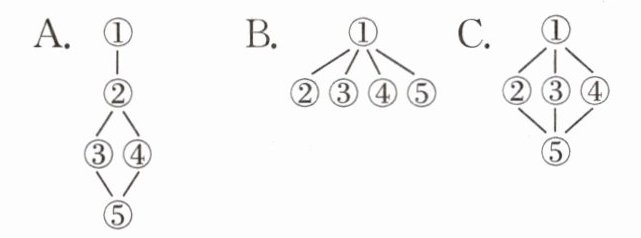
(
A.What parents should do to help control children’s anger.
B.How parents should create healthy anger in their kids.
C.Anger often makes parents and their children uncomfortable.
一材多问
1.What will happen to a child if he or she never sees his or her parents express anger?
2.In what kind of environment should parents let the kids grow up to express feelings?
3.What should parents do when the kids express anger?(列举一条)
①Anger(生气) often makes us feel uncomfortable. Seeing your child’s anger can be especially uncomfortable. In order to relieve(缓解) this feeling,parents often encourage children to “stop crying” and say things like “It’s nothing to cry about”. It’s moments like these that plant the seeds of unhealthy anger. If a child never sees his or her parents express(表达) anger, he or she should never express anger either. So we should learn how to create healthy anger in our kids.
②The first thing you can do to create healthy anger in your children is to practise creating healthy anger in yourself. Once you’re better at experiencing anger and expressing it in a healthy way,you’ll be able to set a good example for your kids.
③Stopping kids from expressing their feelings is wrong. You may feel bad when you believe you are wrong. When children express their feelings and are told(被告知) that it’s nothing to cry about,they come to know that they themselves are bad.
④We need to let them grow up in an environment where it’s safe to express feelings. Once you feel more comfortable with your own anger,you can teach your children why anger is a helpful feeling. When your kids express anger,help them find out what has made them angry. Why did it make them angry? How did it do that? Then,you can teach them that those feelings are never wrong and our expressions of our feelings are in our control.
⑤Anger is natural and common,and it can be experienced and expressed in a healthy way.
(
C
)1.Why do parents say “It’s nothing to cry about” to their children?A.To plant the seeds of unhealthy anger.
B.To make them uncomfortable.
C.To relieve their anger.
(
B
)2.What can we infer(推断) from the first paragraph?A.Children should express their anger like their parents.
B.Parents have a great influence(影响) on their children.
C.Parents should get angry with their children.
(
C
)3.How should parents set a good example for children?A.By stopping children from expressing anger.
B.By letting children know they are bad or wrong.
C.By expressing their own anger in a healthy way.
(
C
)4.[新考法 文章结构]What is the best structure of the passage?(
B
)5.What is the passage mainly about?A.What parents should do to help control children’s anger.
B.How parents should create healthy anger in their kids.
C.Anger often makes parents and their children uncomfortable.
一材多问
1.What will happen to a child if he or she never sees his or her parents express anger?
He or she should never express anger either.
2.In what kind of environment should parents let the kids grow up to express feelings?
A safe environment where it’s safe to express feelings.
3.What should parents do when the kids express anger?(列举一条)
Help them find out what has made them angry.
答案:
1. C 2. B 3. C 4. C 5. B
一材多问
1. He or she should never express anger either.
2. A safe environment where it’s safe to express feelings.
3. Help them find out what has made them angry.
一材多问
1. He or she should never express anger either.
2. A safe environment where it’s safe to express feelings.
3. Help them find out what has made them angry.
查看更多完整答案,请扫码查看

