

 搜索
搜索
B
In Chinese history, there were many stories about being good neighbors. Here are two famous ones.
Wang Dan’s Road
In the Song Dynasty, a famous official(官员) named Wang Dan lived next to a family who wanted to build a new house. The neighbor needed more land for a road to his house, but Wang Dan’s fence(篱笆) was in the way.
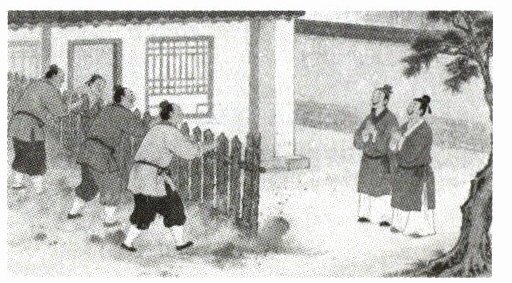
Instead of arguing, Wang Dan said to his family, “We have enough land. Giving part of it to our neighbor won’t hurt us.” He moved his fence back to make space for the road.
Later, when Wang Dan’s family needed to repair their house, the neighbor offered his own land freely, saying, “You helped me. Now I help you.”
The Priceless Neighbor
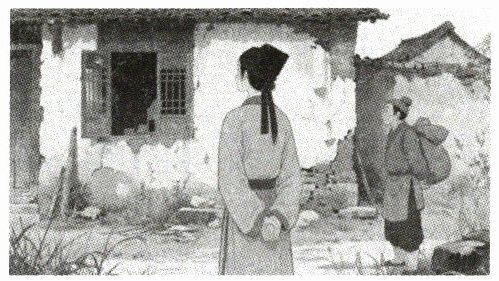
In the Southern Dynasty, a man named Ji Ya wanted to buy a house. After searching, he found one next to Lü Sengzhen’s home. Lü was known for his kindness and good family values. Ji Ya paid 11 million coins for the old house—10 times the normal price!
When asked why, he said,
“I million for the house, 10 million for a good neighbor.”
He believed living near a virtuous(品德高尚的) person was more valuable than gold.
Both stories show: Kindness to neighbors comes back to you. As the old saying goes, “A good neighbor nearby is better than a relative far away.”
(
A. His family would lose nothing important.
B. The neighbor must pay him money later.
C. His fence was easy to build again.
(
A. He wished to show his rich life. B. The house had hidden gold inside.
C. A good neighbor was more valuable to him.
(
A. It costs everyone lots of money. B. Only leaders can do it properly.
C. It often brings good things in return.
(
A. never visit our family members B. value close help more than far love
C. move away from relatives’ houses
(
A. By comparing their time periods. B. By showing wise words in both.
C. Through the same lesson on kindness.
In Chinese history, there were many stories about being good neighbors. Here are two famous ones.
Wang Dan’s Road
In the Song Dynasty, a famous official(官员) named Wang Dan lived next to a family who wanted to build a new house. The neighbor needed more land for a road to his house, but Wang Dan’s fence(篱笆) was in the way.
Instead of arguing, Wang Dan said to his family, “We have enough land. Giving part of it to our neighbor won’t hurt us.” He moved his fence back to make space for the road.
Later, when Wang Dan’s family needed to repair their house, the neighbor offered his own land freely, saying, “You helped me. Now I help you.”
The Priceless Neighbor
In the Southern Dynasty, a man named Ji Ya wanted to buy a house. After searching, he found one next to Lü Sengzhen’s home. Lü was known for his kindness and good family values. Ji Ya paid 11 million coins for the old house—10 times the normal price!
When asked why, he said,
“I million for the house, 10 million for a good neighbor.”
He believed living near a virtuous(品德高尚的) person was more valuable than gold.
Both stories show: Kindness to neighbors comes back to you. As the old saying goes, “A good neighbor nearby is better than a relative far away.”
(
A
)46. What did Wang Dan mean by saying “Giving part of it won’t hurt us”?A. His family would lose nothing important.
B. The neighbor must pay him money later.
C. His fence was easy to build again.
(
C
)47. Why did Ji Ya pay 10 times the normal price?A. He wished to show his rich life. B. The house had hidden gold inside.
C. A good neighbor was more valuable to him.
(
C
)48. What do both stories show about helping neighbors?A. It costs everyone lots of money. B. Only leaders can do it properly.
C. It often brings good things in return.
(
B
)49. The saying “A good neighbor nearby is better than a relative far away” tells us to ______.A. never visit our family members B. value close help more than far love
C. move away from relatives’ houses
(
C
)50. How does the author link(关联) the two stories?A. By comparing their time periods. B. By showing wise words in both.
C. Through the same lesson on kindness.
答案:
46.A 47.C 48.C 49.B 50.C
查看更多完整答案,请扫码查看

