

 搜索
搜索
第46页
- 第1页
- 第2页
- 第3页
- 第4页
- 第5页
- 第6页
- 第7页
- 第8页
- 第9页
- 第10页
- 第11页
- 第12页
- 第13页
- 第14页
- 第15页
- 第16页
- 第17页
- 第18页
- 第19页
- 第20页
- 第21页
- 第22页
- 第23页
- 第24页
- 第25页
- 第26页
- 第27页
- 第28页
- 第29页
- 第30页
- 第31页
- 第32页
- 第33页
- 第34页
- 第35页
- 第36页
- 第37页
- 第38页
- 第39页
- 第40页
- 第41页
- 第42页
- 第43页
- 第44页
- 第45页
- 第46页
- 第47页
- 第48页
- 第49页
- 第50页
- 第51页
- 第52页
- 第53页
- 第54页
- 第55页
- 第56页
- 第57页
- 第58页
- 第59页
- 第60页
- 第61页
- 第62页
- 第63页
- 第64页
- 第65页
- 第66页
- 第67页
- 第68页
- 第69页
- 第70页
- 第71页
- 第72页
- 第73页
- 第74页
- 第75页
- 第76页
- 第77页
- 第78页
- 第79页
- 第80页
- 第81页
- 第82页
- 第83页
- 第84页
- 第85页
- 第86页
- 第87页
- 第88页
- 第89页
- 第90页
- 第91页
- 第92页
- 第93页
- 第94页
- 第95页
- 第96页
- 第97页
- 第98页
- 第99页
- 第100页
- 第101页
- 第102页
- 第103页
- 第104页
- 第105页
- 第106页
- 第107页
- 第108页
- 第109页
四、阅读理解
Thomas Edison's story shows that true talent comes from endless curiosity. Born in Ohio, the USA, his formal education lasted only three months—his teacher couldn't stand his endless questioning. His mother Nancy became his teacher, offering lessons that included reading, writing, and hands-on experiments (实验) in their home laboratory. By age 10, he had read books like School of Natural Philosophy, and often did experiments as the texts taught.
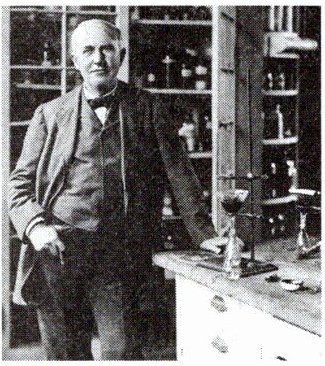
At 12, Edison took a job selling newspapers on the train. During rides, he changed the baggage car (行李车厢) into a mobile laboratory, studying chemistry textbooks and doing experiments. When his experiments started a fire, the angry conductor (售票员) hit his ears and this caused (导致) his lifelong hearing problem. He didn't give up. Instead, he saw this as an advantage (优势)—learning Morse code (莫尔斯电码) quickly in a few weeks and getting a job as a night telegraph operator. Here, he made his first invention at 16: an automatic telegraph repeater (自动电报转发器).
Edison's Menlo Park Laboratory became his real school. He filled shelves with over 10 000 scientific books, asking all workers to study each night. His famous “invention teams” held midnight discussions (讨论) and all the members talked about their ideas like students in a college. For the light bulb (灯泡) project (项目), he created a special learning way: They kept detailed records of each failed filament (灯丝), building a big materials database (数据库).
When developing the storage battery (蓄电池), Edison did more than 50 000 experiments over 10 years. His notebooks show countless records of each experiment. “Learning isn't remembering facts,” he told reporters. “It's training your mind to deal with problems.”
Edison's whole life is ____▲____. When asked about retirement (退休), he'd say, “I'll stop learning when they nail my coffin (棺材) shut.” Today, his 3 500 notebooks are the strongest sign of his lifelong learning—every page filled with questions, sketches, and the words “Try again tomorrow”.
(
A. He paid no attention to this problem.
B. He felt very angry about it.
C. He tried many ways to improve his hearing.
D. He took it as a chance.
(
A. He trusted natural talent most.
B. He saw failures as learning steps.
C. He depended on others' help.
D. He only trusted textbooks.
(
A. To show he could remember well.
B. To show he failed many times.
C. To show his way of dealing with problems.
D. To tell his invention cost a lot.
(
A. a fight against life
B. a search for his own value
C. a never-ending learning journey
D. a series of lucky tasks
Thomas Edison's story shows that true talent comes from endless curiosity. Born in Ohio, the USA, his formal education lasted only three months—his teacher couldn't stand his endless questioning. His mother Nancy became his teacher, offering lessons that included reading, writing, and hands-on experiments (实验) in their home laboratory. By age 10, he had read books like School of Natural Philosophy, and often did experiments as the texts taught.
At 12, Edison took a job selling newspapers on the train. During rides, he changed the baggage car (行李车厢) into a mobile laboratory, studying chemistry textbooks and doing experiments. When his experiments started a fire, the angry conductor (售票员) hit his ears and this caused (导致) his lifelong hearing problem. He didn't give up. Instead, he saw this as an advantage (优势)—learning Morse code (莫尔斯电码) quickly in a few weeks and getting a job as a night telegraph operator. Here, he made his first invention at 16: an automatic telegraph repeater (自动电报转发器).
Edison's Menlo Park Laboratory became his real school. He filled shelves with over 10 000 scientific books, asking all workers to study each night. His famous “invention teams” held midnight discussions (讨论) and all the members talked about their ideas like students in a college. For the light bulb (灯泡) project (项目), he created a special learning way: They kept detailed records of each failed filament (灯丝), building a big materials database (数据库).
When developing the storage battery (蓄电池), Edison did more than 50 000 experiments over 10 years. His notebooks show countless records of each experiment. “Learning isn't remembering facts,” he told reporters. “It's training your mind to deal with problems.”
Edison's whole life is ____▲____. When asked about retirement (退休), he'd say, “I'll stop learning when they nail my coffin (棺材) shut.” Today, his 3 500 notebooks are the strongest sign of his lifelong learning—every page filled with questions, sketches, and the words “Try again tomorrow”.
(
D
) 1. How did Edison deal with his hearing problem?A. He paid no attention to this problem.
B. He felt very angry about it.
C. He tried many ways to improve his hearing.
D. He took it as a chance.
(
B
) 2. What does Edison's light bulb project show about his learning attitude (态度)?A. He trusted natural talent most.
B. He saw failures as learning steps.
C. He depended on others' help.
D. He only trusted textbooks.
(
C
) 3. Why does the writer talk about Edison's notebook records?A. To show he could remember well.
B. To show he failed many times.
C. To show his way of dealing with problems.
D. To tell his invention cost a lot.
(
C
) 4. Which can be put in “____▲____”?A. a fight against life
B. a search for his own value
C. a never-ending learning journey
D. a series of lucky tasks
答案:
1.D 2.B 3.C 4.C
五、小练笔
What do you think is important to be a good learner? Who once set a good example for you in history and why? (At least five sentences)
What do you think is important to be a good learner? Who once set a good example for you in history and why? (At least five sentences)
To be a good learner, I think the most important is to have strong drive to learn. We should also have good study skills and make study plans. Franklin set a good example for me. He had a great love for science. He was always hard-working and never gave up easily in the face of problems.
答案:
To be a good learner, I think the most important is to have strong drive to learn. We should also have good study skills and make study plans. Franklin set a good example for me. He had a great love for science. He was always hard-working and never gave up easily in the face of problems.
查看更多完整答案,请扫码查看

