

 搜索
搜索
第116页
- 第1页
- 第2页
- 第3页
- 第4页
- 第5页
- 第6页
- 第7页
- 第8页
- 第9页
- 第10页
- 第11页
- 第12页
- 第13页
- 第14页
- 第15页
- 第16页
- 第17页
- 第18页
- 第19页
- 第20页
- 第21页
- 第22页
- 第23页
- 第24页
- 第25页
- 第26页
- 第27页
- 第28页
- 第29页
- 第30页
- 第31页
- 第32页
- 第33页
- 第34页
- 第35页
- 第36页
- 第37页
- 第38页
- 第39页
- 第40页
- 第41页
- 第42页
- 第43页
- 第44页
- 第45页
- 第46页
- 第47页
- 第48页
- 第49页
- 第50页
- 第51页
- 第52页
- 第53页
- 第54页
- 第55页
- 第56页
- 第57页
- 第58页
- 第59页
- 第60页
- 第61页
- 第62页
- 第63页
- 第64页
- 第65页
- 第66页
- 第67页
- 第68页
- 第69页
- 第70页
- 第71页
- 第72页
- 第73页
- 第74页
- 第75页
- 第76页
- 第77页
- 第78页
- 第79页
- 第80页
- 第81页
- 第82页
- 第83页
- 第84页
- 第85页
- 第86页
- 第87页
- 第88页
- 第89页
- 第90页
- 第91页
- 第92页
- 第93页
- 第94页
- 第95页
- 第96页
- 第97页
- 第98页
- 第99页
- 第100页
- 第101页
- 第102页
- 第103页
- 第104页
- 第105页
- 第106页
- 第107页
- 第108页
- 第109页
- 第110页
- 第111页
- 第112页
- 第113页
- 第114页
- 第115页
- 第116页
- 第117页
- 第118页
- 第119页
- 第120页
- 第121页
- 第122页
- 第123页
- 第124页
- 第125页
- 第126页
- 第127页
- 第128页
- 第129页
- 第130页
- 第131页
B 热考内容 时事新闻
KEY→P17
范畴:人与社会 主题:科学与技术 体裁:新闻报道 难度:★★★ 建议用时:6分钟 评价:___/4
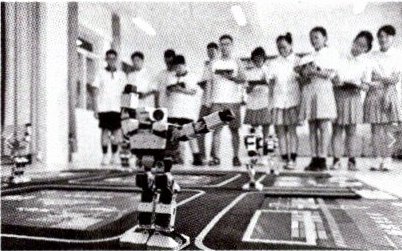
Artificial intelligence (AI) is changing education in China, from primary schools to universities. In December, the Ministry of Education released a plan to make AI education common in primary and secondary schools by 2030. This plan aims to teach students problem-solving and digital skills, and to make them more creative.
AI is already being used in many classrooms. In February, 184 primary and secondary schools were chosen as AI education bases. Understanding the latest technology has become important in the nation's education system.
In a primary school in Chongqing, fifth-grade students used programming and voice recognition to make smart lamps, humidifiers(加湿器) and fans. At Yangzhou High School in Jiangsu, a teacher used the example of telling cherry blossoms from peach blossoms to teach students about machine learning. Changchun Experimental School in Jilin offers an AI class with robotics, drone operation and 3D printing. An AI club is also available for students interested in the technology. Jia Kaichao from the school said the club helped students turn their ideas into reality.
Students also use AI tools in class. Luo Jing from Changchun Experimental School said photo translation apps and voice dictionary pens are very useful. Students at the school often use photo translation apps or voice dictionary pens in their English classes. They can quickly answer homework questions and help with writing essays. AI is clearly making a big difference in Chinese education.
"These tools provide quick and convenient answers. For example, when facing difficult homework questions, we can simply take a picture and get the answer instantly. If we struggle with ideas for writing essays, these AI tools can help make some creative thoughts," said Luo Jing.
( )1. How many primary and secondary schools were chosen as AI education bases in February?
A. 148. B. 184. C. 2,030. D. 180.
( )2. How does the writer show that AI is changing education in China?
A. By giving examples. B. By making comparisons.
C. By listing numbers only. D. By asking questions.
( )3. The underlined word "instantly" here means "______".
A. slowly B. quickly C. loudly D. quietly
( )4. What is the main idea of the passage?
A. AI education bases in China.
B. How to use AI tools in class.
C. The release of the AI education plan.
D. The influence of AI on Chinese education.
KEY→P17
范畴:人与社会 主题:科学与技术 体裁:新闻报道 难度:★★★ 建议用时:6分钟 评价:___/4
Artificial intelligence (AI) is changing education in China, from primary schools to universities. In December, the Ministry of Education released a plan to make AI education common in primary and secondary schools by 2030. This plan aims to teach students problem-solving and digital skills, and to make them more creative.
AI is already being used in many classrooms. In February, 184 primary and secondary schools were chosen as AI education bases. Understanding the latest technology has become important in the nation's education system.
In a primary school in Chongqing, fifth-grade students used programming and voice recognition to make smart lamps, humidifiers(加湿器) and fans. At Yangzhou High School in Jiangsu, a teacher used the example of telling cherry blossoms from peach blossoms to teach students about machine learning. Changchun Experimental School in Jilin offers an AI class with robotics, drone operation and 3D printing. An AI club is also available for students interested in the technology. Jia Kaichao from the school said the club helped students turn their ideas into reality.
Students also use AI tools in class. Luo Jing from Changchun Experimental School said photo translation apps and voice dictionary pens are very useful. Students at the school often use photo translation apps or voice dictionary pens in their English classes. They can quickly answer homework questions and help with writing essays. AI is clearly making a big difference in Chinese education.
"These tools provide quick and convenient answers. For example, when facing difficult homework questions, we can simply take a picture and get the answer instantly. If we struggle with ideas for writing essays, these AI tools can help make some creative thoughts," said Luo Jing.
( )1. How many primary and secondary schools were chosen as AI education bases in February?
A. 148. B. 184. C. 2,030. D. 180.
( )2. How does the writer show that AI is changing education in China?
A. By giving examples. B. By making comparisons.
C. By listing numbers only. D. By asking questions.
( )3. The underlined word "instantly" here means "______".
A. slowly B. quickly C. loudly D. quietly
( )4. What is the main idea of the passage?
A. AI education bases in China.
B. How to use AI tools in class.
C. The release of the AI education plan.
D. The influence of AI on Chinese education.
答案:
1.B 2.A 3.B 4.D
查看更多完整答案,请扫码查看

