

 搜索
搜索
第35页
- 第1页
- 第2页
- 第3页
- 第4页
- 第5页
- 第6页
- 第7页
- 第8页
- 第9页
- 第10页
- 第11页
- 第12页
- 第13页
- 第14页
- 第15页
- 第16页
- 第17页
- 第18页
- 第19页
- 第20页
- 第21页
- 第22页
- 第23页
- 第24页
- 第25页
- 第26页
- 第27页
- 第28页
- 第29页
- 第30页
- 第31页
- 第32页
- 第33页
- 第34页
- 第35页
- 第36页
- 第37页
- 第38页
- 第39页
- 第40页
- 第41页
- 第42页
- 第43页
- 第44页
- 第45页
- 第46页
- 第47页
- 第48页
- 第49页
- 第50页
- 第51页
- 第52页
- 第53页
- 第54页
- 第55页
- 第56页
- 第57页
- 第58页
- 第59页
- 第60页
- 第61页
- 第62页
- 第63页
- 第64页
- 第65页
- 第66页
- 第67页
- 第68页
- 第69页
- 第70页
- 第71页
- 第72页
- 第73页
- 第74页
- 第75页
- 第76页
- 第77页
- 第78页
- 第79页
- 第80页
- 第81页
- 第82页
- 第83页
- 第84页
- 第85页
- 第86页
- 第87页
- 第88页
- 第89页
- 第90页
- 第91页
- 第92页
- 第93页
- 第94页
- 第95页
- 第96页
- 第97页
- 第98页
二、信息还原(选项中有两项为多余选项)
题目:四季成因 体裁:说明文 难度:3星 建议用时:7分钟 正确率: /5
跨学科 地理 (2025·西安期末) Everybody knows that there are usually four seasons in a year. 1. ______
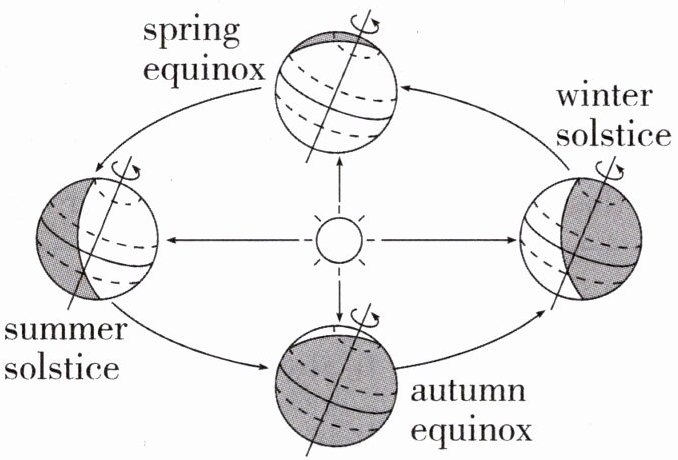
As our planet moves around the sun, the light from the sun falls on the earth from different directions. This helps create the seasons. At different times of year, there is more sunlight in some places and less sunlight in others. More sunlight means longer days and warmer weather. 2. ______
The seasons fall at different times of year around the world. For example, China is to the north of the equator (赤道). Here, we experience summer from June to August. 3. ______
4. ______
题目:四季成因 体裁:说明文 难度:3星 建议用时:7分钟 正确率: /5
跨学科 地理 (2025·西安期末) Everybody knows that there are usually four seasons in a year. 1. ______
E
?As our planet moves around the sun, the light from the sun falls on the earth from different directions. This helps create the seasons. At different times of year, there is more sunlight in some places and less sunlight in others. More sunlight means longer days and warmer weather. 2. ______
A
. It gets colder in autumn and winter because the days are shorter, and we get less light from the sun.The seasons fall at different times of year around the world. For example, China is to the north of the equator (赤道). Here, we experience summer from June to August. 3. ______
G
. In Australia, it is summer from December to February, and Australians have their spring when we have our autumn.4. ______
F
. The hottest and the coldest parts of the world usually have only two seasons. It is always hot in places close to the equator. These places are called the tropics (热带地区). Instead of our four seasons, many parts of the tropics have a rainy season and a dry season. 5. ______D
. Around the North and South Poles, there are only two seasons, too: a very, very cold winter and a somewhat less cold summer.
答案:
1.E 2.A 3.G 4.F 5.D
| The Start of Summer | |
| Facts | It always 1.
| History | It 3.
| 5.
| Facts | It always 1.
falls/comes
on the 5th or 6th of May each year.It has been very important since ancient times in China 2. because
it is time for harvesting. || History | It 3.
started/began/appeared
during the end of the Warring States Period.In the Zhou Dynasty, the emperor himself welcomed the Start of Summer 4. with
his officials and people. || 5.
Customs
| The 6. egg
competition:Hanging eggs helps children 7. prepare
for summer.The person who has the hardest egg 8. wins
the game.Checking one's weight:Weighing oneself on this day is 9. popular
among people of all ages.By doing so, people believe they will have a strong body during the 10. whole
summer. |
答案:
1.falls/comes 2.because 3.started/began/appeared 4.with 5.Customs 6.egg 7.prepare 8.wins 9.popular 10.whole
查看更多完整答案,请扫码查看

