

 搜索
搜索
第52页
- 第1页
- 第2页
- 第3页
- 第4页
- 第5页
- 第6页
- 第7页
- 第8页
- 第9页
- 第10页
- 第11页
- 第12页
- 第13页
- 第14页
- 第15页
- 第16页
- 第17页
- 第18页
- 第19页
- 第20页
- 第21页
- 第22页
- 第23页
- 第24页
- 第25页
- 第26页
- 第27页
- 第28页
- 第29页
- 第30页
- 第31页
- 第32页
- 第33页
- 第34页
- 第35页
- 第36页
- 第37页
- 第38页
- 第39页
- 第40页
- 第41页
- 第42页
- 第43页
- 第44页
- 第45页
- 第46页
- 第47页
- 第48页
- 第49页
- 第50页
- 第51页
- 第52页
- 第53页
- 第54页
- 第55页
- 第56页
- 第57页
- 第58页
- 第59页
- 第60页
- 第61页
- 第62页
- 第63页
- 第64页
- 第65页
- 第66页
- 第67页
- 第68页
- 第69页
- 第70页
- 第71页
- 第72页
- 第73页
- 第74页
- 第75页
- 第76页
- 第77页
- 第78页
- 第79页
- 第80页
- 第81页
- 第82页
- 第83页
- 第84页
- 第85页
- 第86页
- 第87页
- 第88页
- 第89页
- 第90页
- 第91页
- 第92页
- 第93页
- 第94页
- 第95页
- 第96页
- 第97页
- 第98页
- 第99页
- 第100页
- 第101页
- 第102页
- 第103页
- 第104页
- 第105页
- 第106页
- 第107页
- 第108页
- 第109页
- 第110页
- 第111页
- 第112页
你校英语角正在举行以“Lifelong learning”为题的征文比赛。请你根据下表所列的内容要点,用英语写一篇短文参赛。
|意义|从学校毕业不是学习的终点;在学校能学到知识,在校外……|
|途径|在家里、图书馆或博物馆……|
|益处|完善……,实现……|
写作要求:1. 词数100左右,开头已给出,不计入总词数。2. 短文必须包含所有要点,不要逐句翻译。可适当发挥,使行文连贯、通顺。
[思路点拨]1. 文体:议论文。2. 时态:一般现在时、一般将来时。3. 人称:以第一人称为主。
[写作提纲]
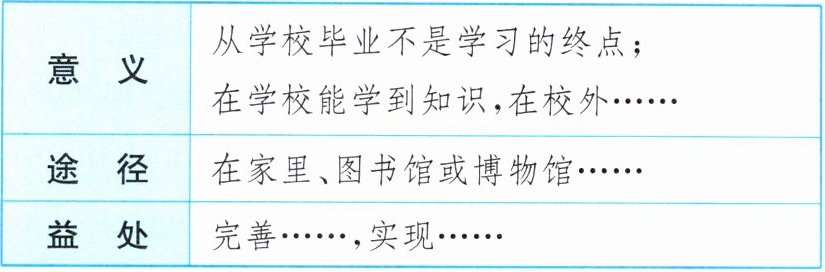
[妙笔生花]
Lifelong learning
When we graduate from high school or university,is learning done? The answer is “No”. Now in our countries,it is necessary for us to continue learning in our whole life.______
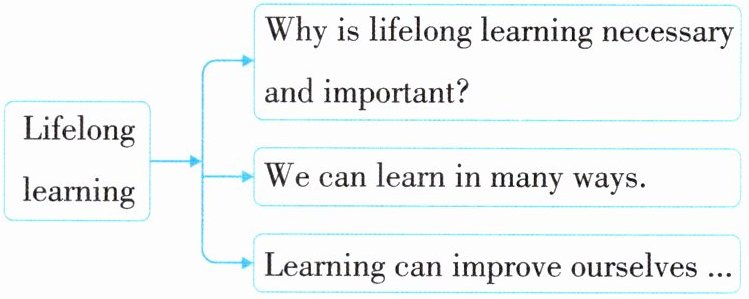
|意义|从学校毕业不是学习的终点;在学校能学到知识,在校外……|
|途径|在家里、图书馆或博物馆……|
|益处|完善……,实现……|
写作要求:1. 词数100左右,开头已给出,不计入总词数。2. 短文必须包含所有要点,不要逐句翻译。可适当发挥,使行文连贯、通顺。
[思路点拨]1. 文体:议论文。2. 时态:一般现在时、一般将来时。3. 人称:以第一人称为主。
[写作提纲]
[妙笔生花]
Lifelong learning
When we graduate from high school or university,is learning done? The answer is “No”. Now in our countries,it is necessary for us to continue learning in our whole life.______
答案:
One possible version:
Lifelong learning
When we graduate from high school or university, is learning done? The answer is "No". Now in our countries, it is necessary for us to continue learning in our whole life.
Why is lifelong learning necessary and important? After leaving school or university, we have too much knowledge to learn in society. We can learn what we don't know at school or university, such as how to get on well with other people, how to live healthily and happily and so on.
We can learn in many ways. We can read books at home freely. We can go to libraries and museums to read books about all kinds of subjects. We can learn what we need on the Internet. Going travelling is another way of learning.
Learning should be in our lives all along. Learning can improve ourselves and make us more perfect. Learning can make our dreams come true.
It's never too late to learn.
Lifelong learning
When we graduate from high school or university, is learning done? The answer is "No". Now in our countries, it is necessary for us to continue learning in our whole life.
Why is lifelong learning necessary and important? After leaving school or university, we have too much knowledge to learn in society. We can learn what we don't know at school or university, such as how to get on well with other people, how to live healthily and happily and so on.
We can learn in many ways. We can read books at home freely. We can go to libraries and museums to read books about all kinds of subjects. We can learn what we need on the Internet. Going travelling is another way of learning.
Learning should be in our lives all along. Learning can improve ourselves and make us more perfect. Learning can make our dreams come true.
It's never too late to learn.
“答案与解析”见 P11
第一部分 听对话回答问题
本部分共有 10 道小题,每小题你将听到一段对话,每段对话听两遍。在听每段对话前,你将有 5 秒钟的时间阅读题目;听完每段对话后,你仍有 5 秒钟的时间选出你认为最合适的备选答案。请在听到“嘀”的信号时,进入下一小题。
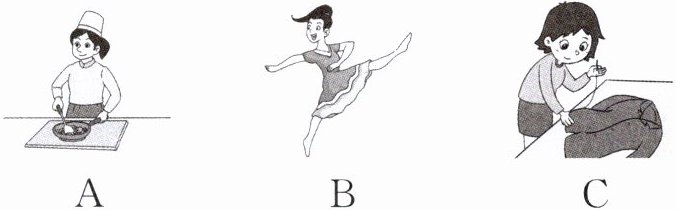
1. What class does Mary have every Wednesday?
A
B
C
2. What does Joe plan to do this Sunday?
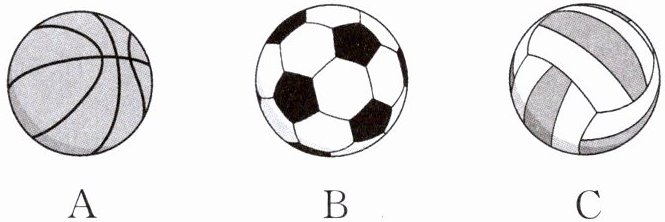
A
B
C
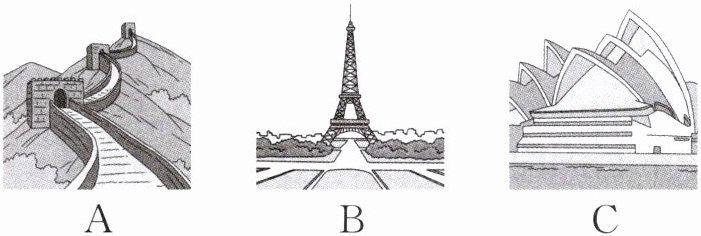
3. Where does Millie want to go during the Spring Festival?
A
B
C
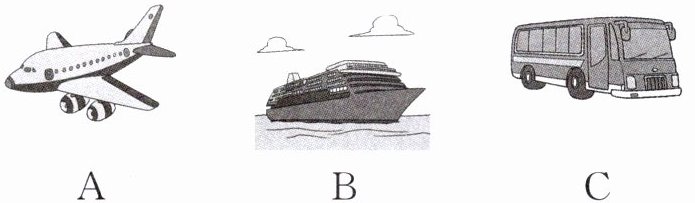
4. How will they go to Chongqing?
A
B
C
5. What language is Amy learning?
A. German.
B. French.
C. Japanese.
6. What time is it now?
A. 7:30.
B. 8:00.
C. 8:30.
7. When does David want to leave?
A. Next Tuesday.
B. Next Monday.
C. Next Wednesday.
8. Who will repair the broken bike?
A. The girl.
B. Andy.
C. Andy's father.
9. Why does Dave get thinner?
A. He practises playing basketball.
B. He goes running every morning.
C. He has less food for supper now.
10. What's the possible relationship between the two speakers?
A. Teacher and student.
B. Doctor and patient.
C. Mother and son.
第一部分 听对话回答问题
本部分共有 10 道小题,每小题你将听到一段对话,每段对话听两遍。在听每段对话前,你将有 5 秒钟的时间阅读题目;听完每段对话后,你仍有 5 秒钟的时间选出你认为最合适的备选答案。请在听到“嘀”的信号时,进入下一小题。
1. What class does Mary have every Wednesday?
A
B
C
2. What does Joe plan to do this Sunday?
A
B
C
3. Where does Millie want to go during the Spring Festival?
A
B
C
4. How will they go to Chongqing?
A
B
C
5. What language is Amy learning?
A. German.
B. French.
C. Japanese.
6. What time is it now?
A. 7:30.
B. 8:00.
C. 8:30.
7. When does David want to leave?
A. Next Tuesday.
B. Next Monday.
C. Next Wednesday.
8. Who will repair the broken bike?
A. The girl.
B. Andy.
C. Andy's father.
9. Why does Dave get thinner?
A. He practises playing basketball.
B. He goes running every morning.
C. He has less food for supper now.
10. What's the possible relationship between the two speakers?
A. Teacher and student.
B. Doctor and patient.
C. Mother and son.
答案:
1.A 2.C 3.B 4.B 5.B 6.A 7.B 8.C 9.B 10.A
查看更多完整答案,请扫码查看

