

 搜索
搜索
第45页
- 第1页
- 第2页
- 第3页
- 第4页
- 第5页
- 第6页
- 第7页
- 第8页
- 第9页
- 第10页
- 第11页
- 第12页
- 第13页
- 第14页
- 第15页
- 第16页
- 第17页
- 第18页
- 第19页
- 第20页
- 第21页
- 第22页
- 第23页
- 第24页
- 第25页
- 第26页
- 第27页
- 第28页
- 第29页
- 第30页
- 第31页
- 第32页
- 第33页
- 第34页
- 第35页
- 第36页
- 第37页
- 第38页
- 第39页
- 第40页
- 第41页
- 第42页
- 第43页
- 第44页
- 第45页
- 第46页
- 第47页
- 第48页
- 第49页
- 第50页
- 第51页
- 第52页
- 第53页
- 第54页
- 第55页
- 第56页
- 第57页
- 第58页
- 第59页
- 第60页
- 第61页
- 第62页
- 第63页
- 第64页
- 第65页
- 第66页
- 第67页
- 第68页
- 第69页
- 第70页
- 第71页
- 第72页
- 第73页
- 第74页
- 第75页
- 第76页
- 第77页
- 第78页
- 第79页
- 第80页
- 第81页
- 第82页
- 第83页
- 第84页
- 第85页
- 第86页
- 第87页
B
George de Mestral was an engineer. One day in the 1940s, he was walking his dog in a forest. Lots of burrs (带刺的小果实) stuck to his trousers and he found it hard to get them off.
What made the burrs stick so well? When George got home, he looked at them carefully. He found that each burr had many tiny hooks (挂钩). These hooks could hold onto anything, such as clothes, animals, or even human hair. “Nature is a great engineer!” he thought. “Maybe I can make a new fastener (紧固件) with tiny hooks.”
George decided to weave (编织) tiny hooks on one piece of cloth. By pressing the two pieces together, they would stick to each other. However, it was very hard to make these tiny hooks. They had to be strong enough to stick to each other. They also needed to be practical, so that the user could pull on them to get them off the hooks.
George used nylon fibers (尼龙纤维) to make the hooks. After years of hard work, he was able to weave hundreds of tiny hooks onto small pieces of cloth. He set up the Velcro company in 1952 for making these fasteners.
In the 1960s, Americans started to use these fasteners on their spaceships. The fasteners soon became popular and people began calling them Velcro. Today, you can find Velcro on your schoolbag, shoes, and almost everywhere else!
( ) 59. What did George think of nature?
A. It was a hero.
B. It was an artist.
C. It was an engineer.
D. It was a doctor.
( ) 60. The underlined word “practical” in Paragraph 3 means “______”.
A. expensive
B. convenient
C. beautiful
D. mobile
( ) 61. Which of the following is TRUE according to the text?
A. Velcro was invented in the 1960s.
B. Velcro is not widely used today.
C. Velcro is only used in space technology.
D. Velcro was created because burrs stuck to clothes.
George de Mestral was an engineer. One day in the 1940s, he was walking his dog in a forest. Lots of burrs (带刺的小果实) stuck to his trousers and he found it hard to get them off.
What made the burrs stick so well? When George got home, he looked at them carefully. He found that each burr had many tiny hooks (挂钩). These hooks could hold onto anything, such as clothes, animals, or even human hair. “Nature is a great engineer!” he thought. “Maybe I can make a new fastener (紧固件) with tiny hooks.”
George decided to weave (编织) tiny hooks on one piece of cloth. By pressing the two pieces together, they would stick to each other. However, it was very hard to make these tiny hooks. They had to be strong enough to stick to each other. They also needed to be practical, so that the user could pull on them to get them off the hooks.
George used nylon fibers (尼龙纤维) to make the hooks. After years of hard work, he was able to weave hundreds of tiny hooks onto small pieces of cloth. He set up the Velcro company in 1952 for making these fasteners.
In the 1960s, Americans started to use these fasteners on their spaceships. The fasteners soon became popular and people began calling them Velcro. Today, you can find Velcro on your schoolbag, shoes, and almost everywhere else!
( ) 59. What did George think of nature?
A. It was a hero.
B. It was an artist.
C. It was an engineer.
D. It was a doctor.
( ) 60. The underlined word “practical” in Paragraph 3 means “______”.
A. expensive
B. convenient
C. beautiful
D. mobile
( ) 61. Which of the following is TRUE according to the text?
A. Velcro was invented in the 1960s.
B. Velcro is not widely used today.
C. Velcro is only used in space technology.
D. Velcro was created because burrs stuck to clothes.
答案:
59 - 61 CBD
C
Every year, TIME magazine puts out its list of best inventions that are changing how we live, work, learn, and play. Let’s check out some of the top 10 in 2023.
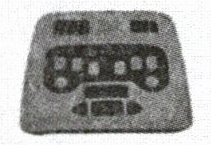 Digital Braille (盲文): Polly is developed for the blind. It can provide braille learners with audio instructions. By listening to Polly, the blind learners can write and correct mistakes with the help of Polly’s electronic (电子的) braille tools—the world’s first.
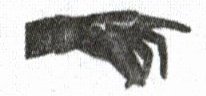 Esper Hand: The Esper Hand is the first AI - powered robotic prosthesis (假肢) that gets smarter over time. “The most important technological development in the next 30 years will be electronics inside the human body,” says its inventor Leslie Dickstein.
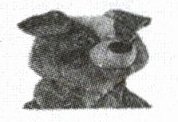 Bear Hugs: Hugimals provide comfort anytime you need a warm hug. They have a glass - ball filling that gives kids the feeling of being hugged. Hugimals have seen orders from doctors as well as teachers who want to help kids manage big feelings and stay happy.
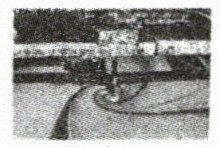 Up Paint: About 10% of paint bought is wasted every year. Some of it is not dealt with wisely, which pollutes the environment. Up Paint collects, processes, and recolours remaining paint so it can be used again. So far, the company offers 18 colours.
( ) 62. How many inventions are shown in the text?
A. 4.
B. 3.
C. 5.
D. 6.
( ) 63. What does the underlined word “audio” mean in Chinese?
A. 气味的
B. 声音的
C. 电动的
D. 影像的
( ) 64. Which invention will you choose when your friend is sad and you want to make him or her happy again?

( ) 65. In which section of a magazine can you read the text?
A. Animals and environment.
B. Science and technology.
C. Health and sports.
D. History and culture.
Every year, TIME magazine puts out its list of best inventions that are changing how we live, work, learn, and play. Let’s check out some of the top 10 in 2023.
Digital Braille (盲文): Polly is developed for the blind. It can provide braille learners with audio instructions. By listening to Polly, the blind learners can write and correct mistakes with the help of Polly’s electronic (电子的) braille tools—the world’s first.Esper Hand: The Esper Hand is the first AI - powered robotic prosthesis (假肢) that gets smarter over time. “The most important technological development in the next 30 years will be electronics inside the human body,” says its inventor Leslie Dickstein.Bear Hugs: Hugimals provide comfort anytime you need a warm hug. They have a glass - ball filling that gives kids the feeling of being hugged. Hugimals have seen orders from doctors as well as teachers who want to help kids manage big feelings and stay happy.Up Paint: About 10% of paint bought is wasted every year. Some of it is not dealt with wisely, which pollutes the environment. Up Paint collects, processes, and recolours remaining paint so it can be used again. So far, the company offers 18 colours.( ) 62. How many inventions are shown in the text?
A. 4.
B. 3.
C. 5.
D. 6.
( ) 63. What does the underlined word “audio” mean in Chinese?
A. 气味的
B. 声音的
C. 电动的
D. 影像的
( ) 64. Which invention will you choose when your friend is sad and you want to make him or her happy again?
( ) 65. In which section of a magazine can you read the text?
A. Animals and environment.
B. Science and technology.
C. Health and sports.
D. History and culture.
答案:
62 - 65 ABCB
查看更多完整答案,请扫码查看

