

 搜索
搜索
2025年全国中学英语能力竞赛真题及解析九年级
注:目前有些书本章节名称可能整理的还不是很完善,但都是按照顺序排列的,请同学们按照顺序仔细查找。练习册 2025年全国中学英语能力竞赛真题及解析九年级 答案主要是用来给同学们做完题方便对答案用的,请勿直接抄袭。
第25页
- 第1页
- 第2页
- 第3页
- 第4页
- 第5页
- 第6页
- 第7页
- 第8页
- 第9页
- 第10页
- 第11页
- 第12页
- 第13页
- 第14页
- 第15页
- 第16页
- 第17页
- 第18页
- 第19页
- 第20页
- 第21页
- 第22页
- 第23页
- 第24页
- 第25页
- 第26页
- 第27页
- 第28页
- 第29页
- 第30页
- 第31页
- 第32页
- 第33页
- 第34页
- 第35页
- 第36页
- 第37页
- 第38页
- 第39页
- 第40页
- 第41页
- 第42页
- 第43页
- 第44页
- 第45页
- 第46页
- 第47页
- 第48页
- 第49页
- 第50页
- 第51页
- 第52页
- 第53页
- 第54页
- 第55页
- 第56页
- 第57页
- 第58页
- 第59页
- 第60页
- 第61页
- 第62页
- 第63页
- 第64页
- 第65页
- 第66页
- 第67页
- 第68页
- 第69页
- 第70页
- 第71页
- 第72页
- 第73页
- 第74页
- 第75页
- 第76页
- 第77页
- 第78页
- 第79页
- 第80页
- 第81页
- 第82页
- 第83页
Please transform the following sentences as required, using one word for each blank. 请按要求转换下列各句,每空一词。
51. The invention of smart phones has changed our lives in many ways.(改为一般疑问句)
52. The boss often made the workers work over 10 hours a day.(改为被动语态)
The workers were often
53. Don't be careless, or you'll probably make a mistake.(改为条件状语从句)
54. The dictionary on the shelf is popular among middle school students.(对画线部分提问)
55. This maths problem is very difficult. Nobody in our class can work it out.(合并为一句)
This maths problem is
51. The invention of smart phones has changed our lives in many ways.(改为一般疑问句)
Has
the invention of smart phones changed
your lives in many ways?52. The boss often made the workers work over 10 hours a day.(改为被动语态)
The workers were often
made
to
work over 10 hours a day by the boss.53. Don't be careless, or you'll probably make a mistake.(改为条件状语从句)
If
you are
not
careful
, you'll probably make a mistake.54. The dictionary on the shelf is popular among middle school students.(对画线部分提问)
Which
dictionary
is popular among middle school students?55. This maths problem is very difficult. Nobody in our class can work it out.(合并为一句)
This maths problem is
so
difficult that
nobody in our class can work it out.
答案:
51. Has; changed。此题要求改为一般疑问句。观察原句的谓语为完成时态(has changed)。改为一般疑问句应该把助动词has提到主语前。
52. made to。此题要求改为被动语态。被动语态的结构为be + 动词的过去分词made。观察空格后面的动词原形work,因此第二空填不定式to。be made to do sth. 被用来做某事。
53. If; are not careful / aren’t careful enough / are too careless。此题要求改为条件状语从句。原句的结构为:祈使句+ or +陈述句。改为条件状语从句应该用连词if。句意为:如果你不认真,你就可能犯错误。if引导的条件状语从句,主句用将来时,从句应该用一般现在时。
54. Which dictionary。原题画线部分是介词短语on the shelf,作定语修饰名词dictionary。对画线部分提问应该用Which +名词+一般疑问句结构。
55. so; that。原句意思是:这道数学题太难。班级上没有人能算出来。合并一句应该改为so ... that ... 引导的结果状语从句,意思是“如此……以至于……”。
52. made to。此题要求改为被动语态。被动语态的结构为be + 动词的过去分词made。观察空格后面的动词原形work,因此第二空填不定式to。be made to do sth. 被用来做某事。
53. If; are not careful / aren’t careful enough / are too careless。此题要求改为条件状语从句。原句的结构为:祈使句+ or +陈述句。改为条件状语从句应该用连词if。句意为:如果你不认真,你就可能犯错误。if引导的条件状语从句,主句用将来时,从句应该用一般现在时。
54. Which dictionary。原题画线部分是介词短语on the shelf,作定语修饰名词dictionary。对画线部分提问应该用Which +名词+一般疑问句结构。
55. so; that。原句意思是:这道数学题太难。班级上没有人能算出来。合并一句应该改为so ... that ... 引导的结果状语从句,意思是“如此……以至于……”。
Please read the following incomplete dialogue, and complete it by filling in the blanks with proper sentences according to the context. 请阅读下面不完整的对话,并根据对话内容在空白处填入适当的句子,补全对话。(答案写在答题纸上)
Debbie: Hi, Michael! This is Debbie. I haven't seen you for a long time. 56.
Michael: Hi, Debbie. Things are going very well.
Debbie: The summer holiday is coming. 57.
Michael: Well, I'm planning to go to Canada. I'm going to visit my cousins in Vancouver.
Debbie: Really? That sounds exciting!
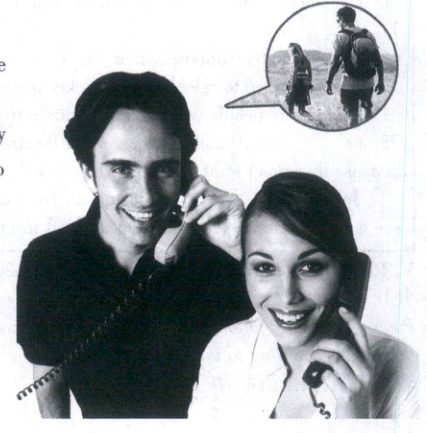
Michael: Yes. 58.
Debbie: No, I haven't, either. But I heard that it's beautiful. Are
you going to travel around or stay in one place?
Michael: Well, I think I'm going to fly to Vancouver and stay
with my cousins first. Then they're going to take me to
Whistler in the mountains.
Debbie: Mountain climbing?
Michael: No, we're going hiking. We'll spend three weeks
hiking around the Rocky Mountains. Then I'll go
to Seattle by train.
Debbie: 59.
Michael: My friend Tony will meet me at Seattle's train station.
Debbie: 60.
Michael: I'll stay there for ten days and then I'll fly back.
Debbie: It sounds wonderful! You're lucky indeed.
Debbie: Hi, Michael! This is Debbie. I haven't seen you for a long time. 56.
How is it going
?Michael: Hi, Debbie. Things are going very well.
Debbie: The summer holiday is coming. 57.
What are you going to do
?Michael: Well, I'm planning to go to Canada. I'm going to visit my cousins in Vancouver.
Debbie: Really? That sounds exciting!
Michael: Yes. 58.
I haven't been to Canada before
. Have you?Debbie: No, I haven't, either. But I heard that it's beautiful. Are
you going to travel around or stay in one place?
Michael: Well, I think I'm going to fly to Vancouver and stay
with my cousins first. Then they're going to take me to
Whistler in the mountains.
Debbie: Mountain climbing?
Michael: No, we're going hiking. We'll spend three weeks
hiking around the Rocky Mountains. Then I'll go
to Seattle by train.
Debbie: 59.
Who will meet you at Seattle's train station
?Michael: My friend Tony will meet me at Seattle's train station.
Debbie: 60.
How long will you stay there
?Michael: I'll stay there for ten days and then I'll fly back.
Debbie: It sounds wonderful! You're lucky indeed.
答案:
56. are things going / How is it going。根据答语“Things are going very well.”可知此题应该询问“你最近过的怎么样?”
57. What are you going to do / What’s your plan for it / What are you planning to do。根据答语“I’m planning to go to Canada. I’m going to visit ...”可知上一句应该询问“你打算做什么?/ 你暑假计划是什么?”
58. I haven’t been to Canada / Vancouver / there before。根据后面的提示“No, I haven’t, either. But I heard that it’s beautiful. Are you going to travel around or stay in one place?”可知Michael以前没去过加拿大/温哥华。
59. Who will meet you at Seattle’s train station。根据答语“My friend Tony will meet me at Seattle’s train station。”可知上一句应该询问“谁会在Seattle火车站接我。”
60. How long will you stay there。根据答语“I’ll stay there for ten days and then I’ll fly back。”可知上一句应该询问停留的时间,对一段时间提问应该用How long,句子所用的时态为一般将来时。
57. What are you going to do / What’s your plan for it / What are you planning to do。根据答语“I’m planning to go to Canada. I’m going to visit ...”可知上一句应该询问“你打算做什么?/ 你暑假计划是什么?”
58. I haven’t been to Canada / Vancouver / there before。根据后面的提示“No, I haven’t, either. But I heard that it’s beautiful. Are you going to travel around or stay in one place?”可知Michael以前没去过加拿大/温哥华。
59. Who will meet you at Seattle’s train station。根据答语“My friend Tony will meet me at Seattle’s train station。”可知上一句应该询问“谁会在Seattle火车站接我。”
60. How long will you stay there。根据答语“I’ll stay there for ten days and then I’ll fly back。”可知上一句应该询问停留的时间,对一段时间提问应该用How long,句子所用的时态为一般将来时。
查看更多完整答案,请扫码查看

