

 搜索
搜索
第103页
- 第1页
- 第2页
- 第3页
- 第4页
- 第5页
- 第6页
- 第7页
- 第8页
- 第9页
- 第10页
- 第11页
- 第12页
- 第13页
- 第14页
- 第15页
- 第16页
- 第17页
- 第18页
- 第19页
- 第20页
- 第21页
- 第22页
- 第23页
- 第24页
- 第25页
- 第26页
- 第27页
- 第28页
- 第29页
- 第30页
- 第31页
- 第32页
- 第33页
- 第34页
- 第35页
- 第36页
- 第37页
- 第38页
- 第39页
- 第40页
- 第41页
- 第42页
- 第43页
- 第44页
- 第45页
- 第46页
- 第47页
- 第48页
- 第49页
- 第50页
- 第51页
- 第52页
- 第53页
- 第54页
- 第55页
- 第56页
- 第57页
- 第58页
- 第59页
- 第60页
- 第61页
- 第62页
- 第63页
- 第64页
- 第65页
- 第66页
- 第67页
- 第68页
- 第69页
- 第70页
- 第71页
- 第72页
- 第73页
- 第74页
- 第75页
- 第76页
- 第77页
- 第78页
- 第79页
- 第80页
- 第81页
- 第82页
- 第83页
- 第84页
- 第85页
- 第86页
- 第87页
- 第88页
- 第89页
- 第90页
- 第91页
- 第92页
- 第93页
- 第94页
- 第95页
- 第96页
- 第97页
- 第98页
- 第99页
- 第100页
- 第101页
- 第102页
- 第103页
- 第104页
- 第105页
- 第106页
- 第107页
- 第108页
- 第109页
- 第110页
- 第111页
- 第112页
- 第113页
- 第114页
- 第115页
- 第116页
- 第117页
- 第118页
- 第119页
- 第120页
- 第121页
- 第122页
- 第123页
- 第124页
- 第125页
- 第126页
- 第127页
- 第128页
A. 将方框中所给词语的适当形式填入短文中,每词仅用一次。

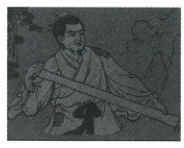
Lu Ban was a master craftsman(工匠)in ancient China. Once when he was building a palace, he needed a lot of wood. But it was 51.
Lu Ban was a master craftsman(工匠)in ancient China. Once when he was building a palace, he needed a lot of wood. But it was 51.
slow
to cut the wood. He thought hard about how he could make the work faster. One day, he picked up some 52. grass
and felt pain in his hand. It had tiny, sharp teeth. This gave him an idea. “I can make a tool 53. like
this!” he thought. After many tries, he finally made a tool with teeth—a saw. It 54. worked
well and made cutting wood much easier. 55. Thanks to
Lu Ban, people had a great new tool!
答案:
51 slow 52 grass 53 like 54 worked 55 Thanks to
B. 阅读下面短文,根据括号内所给汉语注释写出单词的正确形式(
What brought you and your friends together? Was it shared 56.
A US study with 1,932 people showed that friends have a kinship coefficient(亲缘系数)of 0.0014, higher than that of strangers! The kinship coefficient is a 58.
This number holds a special 59.
The question is: Why do people with a higher level of kinship coefficient become friends more 61.
In another study, researchers used an e-nose to 63.
每
空
一
词
)。What brought you and your friends together? Was it shared 56.
hobbies
(爱好)or similar values? Besides these common reasons, genes(遗传基因)may also 57. influence
(影响)our choices of friends.A US study with 1,932 people showed that friends have a kinship coefficient(亲缘系数)of 0.0014, higher than that of strangers! The kinship coefficient is a 58.
useful/helpful
(有用的)way to see how two people are genetically connected—the higher the number, the closer the relation.This number holds a special 59.
meaning
(意义). The kinship coefficient between parents and children is about 0.25. For first cousins, it's about 0.0625, while for 60. fourth
(第四)cousins, it's around only 0.001. This means you might share more genes with your best friend than with some family members.The question is: Why do people with a higher level of kinship coefficient become friends more 61.
easily
(容易地)? The scientists found that many similar genes are connected to the 62. sense
(感官)of smell. This means that close friends may have a similar smell.In another study, researchers used an e-nose to 63.
test/check
(检验)the smells of 20 pairs of friends. They found that friends' body smells were closer than 64. those
(那些)of strangers. So, next time you 65. hug
(拥抱)your friends, you might notice that they smell a bit like you!
答案:
56 hobbies 57 influence 58 useful/helpful 59 meaning 60 fourth 61 easily 62 sense 63 test/check 64 those 65 hug
查看更多完整答案,请扫码查看

