

 搜索
搜索
2025年初中英语阅读教程九年级英语下册外研版
注:目前有些书本章节名称可能整理的还不是很完善,但都是按照顺序排列的,请同学们按照顺序仔细查找。练习册 2025年初中英语阅读教程九年级英语下册外研版 答案主要是用来给同学们做完题方便对答案用的,请勿直接抄袭。
第53页
- 第1页
- 第2页
- 第3页
- 第4页
- 第5页
- 第6页
- 第7页
- 第8页
- 第9页
- 第10页
- 第11页
- 第12页
- 第13页
- 第14页
- 第15页
- 第16页
- 第17页
- 第18页
- 第19页
- 第20页
- 第21页
- 第22页
- 第23页
- 第24页
- 第25页
- 第26页
- 第27页
- 第28页
- 第29页
- 第30页
- 第31页
- 第32页
- 第33页
- 第34页
- 第35页
- 第36页
- 第37页
- 第38页
- 第39页
- 第40页
- 第41页
- 第42页
- 第43页
- 第44页
- 第45页
- 第46页
- 第47页
- 第48页
- 第49页
- 第50页
- 第51页
- 第52页
- 第53页
- 第54页
- 第55页
- 第56页
- 第57页
- 第58页
- 第59页
- 第60页
- 第61页
- 第62页
- 第63页
- 第64页
- 第65页
- 第66页
- 第67页
- 第68页
- 第69页
- 第70页
- 第71页
- 第72页
- 第73页
- 第74页
- 第75页
- 第76页
- 第77页
- 第78页
- 第79页
- 第80页
Passage 5
words: 303 time: 8 min.
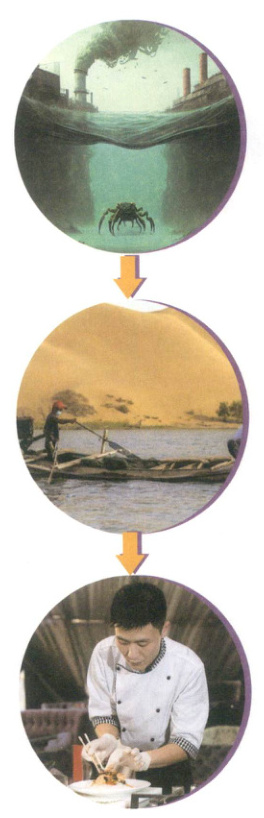
When you think of the sea, you may not think of Xinjiang or Inner Mongolia. But recently, the "seafood" produced in these places has become popular, especially after Japan put nuclear-contaminated water (核污染水) into the sea, reported China Daily.
In Nilka County in Xinjiang, about 6,000 tons of rainbow trout (虹鳟鱼) will be produced this year. Rainbow trout belongs to the same family as salmon, which is a kind of well-known seafood. It tastes like salmon, too.
Why do farmers there choose to grow fish? The weather in some parts of Xinjiang is seldom hot, and the rivers are fed by meltwater from the Tianshan Mountain. Water deeper than 6 metres always stays at 10°C. "As the meltwater is very clean and cold, it's a 'comfortable' home for fish," Li Chunyu, a worker at a fish company in Xinjiang told China Daily.
To make sure the river stays clean, the company uses machines to clean fish waste in the water. They also use net cages (网箱) that are good for the environment. The nets are about 51 metres wide and lie 25 metres deep in the river.
Meanwhile, in Inner Mongolia, whiteleg shrimp grows well. Saline soil (盐碱土) covers a large part of the desert where few plants are able to grow. Farmers used to put water from the Yellow River onto the farmland to wash away the salt. This was a waste of salty water.
Scientists then decided to create "seawater" with salty water by adding in some other components. Whiteleg shrimps can live well in this kind of water. They taste no different from the same kind of shrimp that grows in the sea.
Answer the following questions.
1. What kind of fish will be produced in Nilka County, Xinjiang this year?
2. Why is the water in Xinjiang good for fish farming?
3. How do farmers in Xinjiang keep the river clean?
4. What was the problem with farmland in Inner Mongolia?
5. Give a proper title to the passage.
words: 303 time: 8 min.
When you think of the sea, you may not think of Xinjiang or Inner Mongolia. But recently, the "seafood" produced in these places has become popular, especially after Japan put nuclear-contaminated water (核污染水) into the sea, reported China Daily.
In Nilka County in Xinjiang, about 6,000 tons of rainbow trout (虹鳟鱼) will be produced this year. Rainbow trout belongs to the same family as salmon, which is a kind of well-known seafood. It tastes like salmon, too.
Why do farmers there choose to grow fish? The weather in some parts of Xinjiang is seldom hot, and the rivers are fed by meltwater from the Tianshan Mountain. Water deeper than 6 metres always stays at 10°C. "As the meltwater is very clean and cold, it's a 'comfortable' home for fish," Li Chunyu, a worker at a fish company in Xinjiang told China Daily.
To make sure the river stays clean, the company uses machines to clean fish waste in the water. They also use net cages (网箱) that are good for the environment. The nets are about 51 metres wide and lie 25 metres deep in the river.
Meanwhile, in Inner Mongolia, whiteleg shrimp grows well. Saline soil (盐碱土) covers a large part of the desert where few plants are able to grow. Farmers used to put water from the Yellow River onto the farmland to wash away the salt. This was a waste of salty water.
Scientists then decided to create "seawater" with salty water by adding in some other components. Whiteleg shrimps can live well in this kind of water. They taste no different from the same kind of shrimp that grows in the sea.
Answer the following questions.
1. What kind of fish will be produced in Nilka County, Xinjiang this year?
Rainbow trout.
2. Why is the water in Xinjiang good for fish farming?
Because the water is clean and cold.
3. How do farmers in Xinjiang keep the river clean?
They use machines to clean fish waste in the water and use net cages that are good for the environment.
4. What was the problem with farmland in Inner Mongolia?
It was covered with saline soil./Saline soil covered a large part of the desert.
5. Give a proper title to the passage.
“Seafood” from Xinjiang and Inner Mongolia has become popular
答案:
1.Rainbow trout. 2.Because the water is clean and cold. 3.They use machines to clean fish waste in the water and use net cages that are good for the environment. 4.It was covered with saline soil./Saline soil covered a large part of the desert. 5. “Seafood” from Xinjiang and Inner Mongolia has become popular
查看更多完整答案,请扫码查看

