

 搜索
搜索
第62页
- 第1页
- 第2页
- 第3页
- 第4页
- 第5页
- 第6页
- 第7页
- 第8页
- 第9页
- 第10页
- 第11页
- 第12页
- 第13页
- 第14页
- 第15页
- 第16页
- 第17页
- 第18页
- 第19页
- 第20页
- 第21页
- 第22页
- 第23页
- 第24页
- 第25页
- 第26页
- 第27页
- 第28页
- 第29页
- 第30页
- 第31页
- 第32页
- 第33页
- 第34页
- 第35页
- 第36页
- 第37页
- 第38页
- 第39页
- 第40页
- 第41页
- 第42页
- 第43页
- 第44页
- 第45页
- 第46页
- 第47页
- 第48页
- 第49页
- 第50页
- 第51页
- 第52页
- 第53页
- 第54页
- 第55页
- 第56页
- 第57页
- 第58页
- 第59页
- 第60页
- 第61页
- 第62页
- 第63页
- 第64页
- 第65页
- 第66页
- 第67页
- 第68页
- 第69页
- 第70页
- 第71页
- 第72页
- 第73页
- 第74页
- 第75页
- 第76页
- 第77页
- 第78页
- 第79页
- 第80页
- 第81页
- 第82页
1. —____?
—Jack can play football.
A.What can you do
B.What can Jack do
C.What's Jack like
—Jack can play football.
A.What can you do
B.What can Jack do
C.What's Jack like
答案:
B 【解析】根据答语可知,此处应是询问 Jack 可以做什么,应用“What can Jack do?”提问。
2. —What can you do? (补全对话)
—
—
I can play the suona.
(play the suona)
答案:
I can play the suona.
3. —What can you do for the party?
—
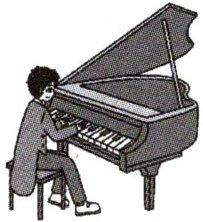
A.I can play the piano
B.I like playing the piano
—
I can sing.
A.I can play the piano
B.I like playing the piano
答案:
A 【解析】根据问句可知,此处应回答自己可以做什么,应用“I can...”回答。
2 情态动词 can 的用法
4. Giraffes can
5. The girl's name is Sarah. She can ____ many English songs.
A. sings
B. to sing
C. sing (
6. I ____ make a robot, but I ____ draw cartoons.
A. can,can
B. can't, can't
C. can, can't (
4. Giraffes can
eat
(eat) leaves. (填写适当形式)5. The girl's name is Sarah. She can ____ many English songs.
A. sings
B. to sing
C. sing (
C
)6. I ____ make a robot, but I ____ draw cartoons.
A. can,can
B. can't, can't
C. can, can't (
C
)
答案:
4. eat 【解析】情态动词 can 后跟动词原形,所以此处填 eat。5. C 【解析】她可以 许多英文歌。情态动词 can 后面跟动词原形。6. C 【解析】根据“but”可知,句子存在转折关系,结合选项可知,前后分别应使用情态动词 can 的原形及其否定形式。
3 辨析 some 和 any
7. —Do you have ____ pencils?
—No, I don't. But I have ____ pens.
A. any; any
B. any; some
C. some; any
(
8. —Can you do ____ kung fu, John?
—Yes, I can. I often do ____ kung fu on the weekend.
A. some; any
B. any; some
C. any; any
(
9. I'm thirsty, and I want to drink ____ (some/any) water.
7. —Do you have ____ pencils?
—No, I don't. But I have ____ pens.
A. any; any
B. any; some
C. some; any
(
B
)8. —Can you do ____ kung fu, John?
—Yes, I can. I often do ____ kung fu on the weekend.
A. some; any
B. any; some
C. any; any
(
B
)9. I'm thirsty, and I want to drink ____ (some/any) water.
some
答案:
7. B 【解析】问句为一般疑问句,应用 any 表示“一些”;答语是肯定句,应用 some 表示“一些”。8. B 【解析】第一句是在询问 John 是否会练武术,为一般疑问句。答语是 John 在陈述自己在周末练功夫的情况,为肯定句。“some”通常用于肯定句中,“any”通常用于否定句和疑问句中。所以第一空在疑问句中用“any”,第二空在肯定句中用“some”。9. some 【解析】句子为肯定句,应用 some 表示“一些”。
4 询问某人是否会做某事的句型及回答
10. —Can you wash your clothes?
—
A. Yes, I can.
B. No, I can't.
C. Yes, I do.
11. Can you cook breakfast for yourself? (根据实际情况回答)
10. —Can you wash your clothes?
—
A
And I often wash my clothes on Saturdays. A. Yes, I can.
B. No, I can't.
C. Yes, I do.
11. Can you cook breakfast for yourself? (根据实际情况回答)
Yes, I can./No, I can't.
答案:
10. A 【解析】根据空后“And I often wash my clothes on Saturdays.”可知,此处应是肯定回答“Yes, I can.”。11. Yes, I can./No, I can't.
查看更多完整答案,请扫码查看

