

 搜索
搜索
第37页
- 第1页
- 第2页
- 第3页
- 第4页
- 第5页
- 第6页
- 第7页
- 第8页
- 第9页
- 第10页
- 第11页
- 第12页
- 第13页
- 第14页
- 第15页
- 第16页
- 第17页
- 第18页
- 第19页
- 第20页
- 第21页
- 第22页
- 第23页
- 第24页
- 第25页
- 第26页
- 第27页
- 第28页
- 第29页
- 第30页
- 第31页
- 第32页
- 第33页
- 第34页
- 第35页
- 第36页
- 第37页
- 第38页
- 第39页
- 第40页
- 第41页
- 第42页
- 第43页
- 第44页
- 第45页
- 第46页
- 第47页
- 第48页
- 第49页
- 第50页
- 第51页
- 第52页
- 第53页
- 第54页
- 第55页
- 第56页
- 第57页
- 第58页
- 第59页
- 第60页
- 第61页
- 第62页
- 第63页
- 第64页
C
Charles Darwin
Early years
Charles Darwin was one of the six children from a big family. His grandfather and father were doctors and the young Darwin went to Edinburgh University to study medicine. However, he hated to see blood and he soon realized that he couldn’t be a doctor. He then went to Cambridge University and discovered that he had a great interest in studying plants, insects and animals. Luckily, one of Darwin’s university teachers helped him join the perfect trip for a biologist; a voyage(航行) around the world to study nature.
The Beagle
In 1831, Charles Darwin left Plymouth on The Beagle, a ship that took him around the world for five years. While he was travelling, he studied the plants and animals in the countries and on the islands that the ship visited. Darwin also spent his time on The Beagle writing notes about the things he had seen. When he finally arrived back in Britain, Darwin was already starting to create his famous theory that all living things had a common(共同的) ancestor(祖先).
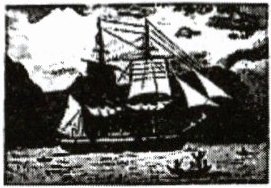
Down house
At home at Down House, a place that you can still visit today, Darwin wrote many articles and books about his travels, but he didn’t want to make anything about his theory known to the public. He worked in his study, where he wrote 250,000 words about his theory of evolution(进化论), but he was frightened about what people might say about his idea that monkeys were the ancestors of humans. He thought the public would be against it and was so frightened that he became ill with worry. However, when another scientist started to write about similar ideas, Darwin decided to print his book, On the Origin of Species.
Most scientists accepted Darwin’s theory and people continue to study it today. On 12th February, the day he was born, Darwin Day is celebrated around the world to encourage(激励) more people to study the natural world.
(
A. He didn’t like seeing blood.
B. He found he had no interest in it at all.
C. He was pushed to give it up.
D. He was advised to study natural science.
(
A. It helped him to finish his study at the university.
B. It allowed him to change his mind about his future.
C. It gave him ideas about the beginnings of human life.
D. It got him to complete his most famous book on the ship.
(
a. He arrived back in Britain in 1836.
b. He thought the public would not support his ideas.
c. He became interested in studying the natural world.
d. He printed his famous book, On the Origin of Species.
e. He received help to get a place on a trip around the world.
f. He studied the plants and animals on the islands he visited.
A. e→f→c→a→b→d
B. c→e→f→a→b→d
C. e→f→a→c→d→b
D. c→e→f→a→b
(
A. To introduce Darwin’s famous book.
B. To tell how people celebrate Darwin Day.
C. To explain why people accept Darwin’s ideas.
D. To show Darwin’s influence on natural science.
Charles Darwin
Early years
Charles Darwin was one of the six children from a big family. His grandfather and father were doctors and the young Darwin went to Edinburgh University to study medicine. However, he hated to see blood and he soon realized that he couldn’t be a doctor. He then went to Cambridge University and discovered that he had a great interest in studying plants, insects and animals. Luckily, one of Darwin’s university teachers helped him join the perfect trip for a biologist; a voyage(航行) around the world to study nature.
The Beagle
In 1831, Charles Darwin left Plymouth on The Beagle, a ship that took him around the world for five years. While he was travelling, he studied the plants and animals in the countries and on the islands that the ship visited. Darwin also spent his time on The Beagle writing notes about the things he had seen. When he finally arrived back in Britain, Darwin was already starting to create his famous theory that all living things had a common(共同的) ancestor(祖先).
Down house
At home at Down House, a place that you can still visit today, Darwin wrote many articles and books about his travels, but he didn’t want to make anything about his theory known to the public. He worked in his study, where he wrote 250,000 words about his theory of evolution(进化论), but he was frightened about what people might say about his idea that monkeys were the ancestors of humans. He thought the public would be against it and was so frightened that he became ill with worry. However, when another scientist started to write about similar ideas, Darwin decided to print his book, On the Origin of Species.
Most scientists accepted Darwin’s theory and people continue to study it today. On 12th February, the day he was born, Darwin Day is celebrated around the world to encourage(激励) more people to study the natural world.
(
A
)47. What caused Darwin to give up his study of medicine?A. He didn’t like seeing blood.
B. He found he had no interest in it at all.
C. He was pushed to give it up.
D. He was advised to study natural science.
(
C
)48. Why was the trip on The Beagle important to Darwin?A. It helped him to finish his study at the university.
B. It allowed him to change his mind about his future.
C. It gave him ideas about the beginnings of human life.
D. It got him to complete his most famous book on the ship.
(
B
)49. In what order did the following happen in Darwin’s life?a. He arrived back in Britain in 1836.
b. He thought the public would not support his ideas.
c. He became interested in studying the natural world.
d. He printed his famous book, On the Origin of Species.
e. He received help to get a place on a trip around the world.
f. He studied the plants and animals on the islands he visited.
A. e→f→c→a→b→d
B. c→e→f→a→b→d
C. e→f→a→c→d→b
D. c→e→f→a→b
(
D
)50. Why did the writer include the last paragraph?A. To introduce Darwin’s famous book.
B. To tell how people celebrate Darwin Day.
C. To explain why people accept Darwin’s ideas.
D. To show Darwin’s influence on natural science.
答案:
47.A 48.C 49.B 50.D
查看更多完整答案,请扫码查看

