

 搜索
搜索
第86页
- 第1页
- 第2页
- 第3页
- 第4页
- 第5页
- 第6页
- 第7页
- 第8页
- 第9页
- 第10页
- 第11页
- 第12页
- 第13页
- 第14页
- 第15页
- 第16页
- 第17页
- 第18页
- 第19页
- 第20页
- 第21页
- 第22页
- 第23页
- 第24页
- 第25页
- 第26页
- 第27页
- 第28页
- 第29页
- 第30页
- 第31页
- 第32页
- 第33页
- 第34页
- 第35页
- 第36页
- 第37页
- 第38页
- 第39页
- 第40页
- 第41页
- 第42页
- 第43页
- 第44页
- 第45页
- 第46页
- 第47页
- 第48页
- 第49页
- 第50页
- 第51页
- 第52页
- 第53页
- 第54页
- 第55页
- 第56页
- 第57页
- 第58页
- 第59页
- 第60页
- 第61页
- 第62页
- 第63页
- 第64页
- 第65页
- 第66页
- 第67页
- 第68页
- 第69页
- 第70页
- 第71页
- 第72页
- 第73页
- 第74页
- 第75页
- 第76页
- 第77页
- 第78页
- 第79页
- 第80页
- 第81页
- 第82页
- 第83页
- 第84页
- 第85页
- 第86页
- 第87页
- 第88页
- 第89页
- 第90页
- 第91页
- 第92页
- 第93页
- 第94页
- 第95页
- 第96页
- 第97页
- 第98页
- 第99页
- 第100页
- 第101页
- 第102页
- 第103页
- 第104页
- 第105页
- 第106页
- 第107页
- 第108页
- 第109页
四、阅读理解
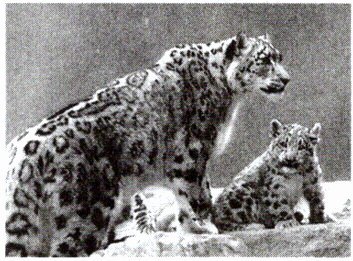
On a cold snowy day, 15-year-old Yeshe Dolkar, living in Nangqen County of Qinghai, was heading down a mountaintop with her family. Suddenly, they saw two snow leopards (雪豹) near the Lancang River. "It was my first time to see them. They looked so cool!" Yeshe Dolkar said.
Since the mid-20th century, the area of snow, grasslands and lakes in Sanjiangyuan has become smaller because of climate (气候) change and human activities. Many wild animals in the area have died out. Snow leopards are in danger.
On Jan. 24, 2003, China built Sanjiangyuan Nature Reserve to better protect the area and the wild animals there. In these years, the number of wild animals has been rising. More than 70 000 antelopes (藏羚羊) now live there. And over 1 000 snow leopards can be found in the area, more than in most other places around the world.
The local people have improved their understanding about environmental protection and have tried hard to look after the environment in Sanjiangyuan over the years. In Nangqen County, the local people still live on selling caterpillar fungus (冬虫夏草) they found in grasslands. They carried food with them in plastic bags and left the bags behind in the past. But now things have changed. The local people offer to pick up waste on the grasslands. People also take their plastic bags and food waste down the mountain after eating. The local environment has taken on a new look.
The story of Sanjiangyuan shows that when people and nature work together, amazing things can happen. Let's all follow this good example. As young people, we should protect our home and keep on living together with nature in harmony (和谐).
(
A. Yeshe Dolkar raised two of them at home.
B. Human activities killed all the snow leopards.
C. Climate change once made their number drop.
D. Yeshe Dolkar saw them near the Lancang River many times.
(
A. To provide a home for more people.
B. To protect the natural environment.
C. To make people there have better lives.
D. To find the beginning of three rivers.
(
A. Their way of making a living.
B. Their way of crossing the grasslands.
C. Their way of treating waste.
D. Their way of carrying food with them.
(
A. China decides to build more nature reserves in the future.
B. Many young people choose to live in Sanjiangyuan.
C. The number of the antelopes in Sanjiangyuan is the smallest.
D. The future of Sanjiangyuan Nature Reserve will be much better.
On a cold snowy day, 15-year-old Yeshe Dolkar, living in Nangqen County of Qinghai, was heading down a mountaintop with her family. Suddenly, they saw two snow leopards (雪豹) near the Lancang River. "It was my first time to see them. They looked so cool!" Yeshe Dolkar said.
Since the mid-20th century, the area of snow, grasslands and lakes in Sanjiangyuan has become smaller because of climate (气候) change and human activities. Many wild animals in the area have died out. Snow leopards are in danger.
On Jan. 24, 2003, China built Sanjiangyuan Nature Reserve to better protect the area and the wild animals there. In these years, the number of wild animals has been rising. More than 70 000 antelopes (藏羚羊) now live there. And over 1 000 snow leopards can be found in the area, more than in most other places around the world.
The local people have improved their understanding about environmental protection and have tried hard to look after the environment in Sanjiangyuan over the years. In Nangqen County, the local people still live on selling caterpillar fungus (冬虫夏草) they found in grasslands. They carried food with them in plastic bags and left the bags behind in the past. But now things have changed. The local people offer to pick up waste on the grasslands. People also take their plastic bags and food waste down the mountain after eating. The local environment has taken on a new look.
The story of Sanjiangyuan shows that when people and nature work together, amazing things can happen. Let's all follow this good example. As young people, we should protect our home and keep on living together with nature in harmony (和谐).
(
C
) 1. What can we know about snow leopards from Paragraphs 1 and 2?A. Yeshe Dolkar raised two of them at home.
B. Human activities killed all the snow leopards.
C. Climate change once made their number drop.
D. Yeshe Dolkar saw them near the Lancang River many times.
(
B
) 2. Why did China build Sanjiangyuan Nature Reserve?A. To provide a home for more people.
B. To protect the natural environment.
C. To make people there have better lives.
D. To find the beginning of three rivers.
(
C
) 3. What have the local people in Sanjiangyuan changed?A. Their way of making a living.
B. Their way of crossing the grasslands.
C. Their way of treating waste.
D. Their way of carrying food with them.
(
D
) 4. What can we infer (推断) from the passage?A. China decides to build more nature reserves in the future.
B. Many young people choose to live in Sanjiangyuan.
C. The number of the antelopes in Sanjiangyuan is the smallest.
D. The future of Sanjiangyuan Nature Reserve will be much better.
答案:
1. C 2. B 3. C 4. D
查看更多完整答案,请扫码查看

