

 搜索
搜索
第106页
- 第1页
- 第2页
- 第3页
- 第4页
- 第5页
- 第6页
- 第7页
- 第8页
- 第9页
- 第10页
- 第11页
- 第12页
- 第13页
- 第14页
- 第15页
- 第16页
- 第17页
- 第18页
- 第19页
- 第20页
- 第21页
- 第22页
- 第23页
- 第24页
- 第25页
- 第26页
- 第27页
- 第28页
- 第29页
- 第30页
- 第31页
- 第32页
- 第33页
- 第34页
- 第35页
- 第36页
- 第37页
- 第38页
- 第39页
- 第40页
- 第41页
- 第42页
- 第43页
- 第44页
- 第45页
- 第46页
- 第47页
- 第48页
- 第49页
- 第50页
- 第51页
- 第52页
- 第53页
- 第54页
- 第55页
- 第56页
- 第57页
- 第58页
- 第59页
- 第60页
- 第61页
- 第62页
- 第63页
- 第64页
- 第65页
- 第66页
- 第67页
- 第68页
- 第69页
- 第70页
- 第71页
- 第72页
- 第73页
- 第74页
- 第75页
- 第76页
- 第77页
- 第78页
- 第79页
- 第80页
- 第81页
- 第82页
- 第83页
- 第84页
- 第85页
- 第86页
- 第87页
- 第88页
- 第89页
- 第90页
- 第91页
- 第92页
- 第93页
- 第94页
- 第95页
- 第96页
- 第97页
- 第98页
- 第99页
- 第100页
- 第101页
- 第102页
- 第103页
- 第104页
- 第105页
- 第106页
- 第107页
- 第108页
- 第109页
四、阅读理解
A long time ago, the world was very cold. Ice covered most of the land. This cold time lasted millions of years and was called an ice age. The last ice age ended around 10 000 years ago. The earth slowly warmed up and much of the ice melted.
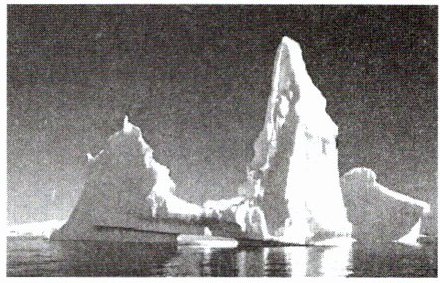
Sometimes, a big piece of ice breaks off (断裂) from an ice shelf. It falls into the ocean and floats (漂浮) away. This is an iceberg (冰山). An iceberg may look small, but in fact, it is very big. Only a small part of it can be seen above the water.
Most of the iceberg is underwater, out of sight. Between one seventh and one tenth of an iceberg can be seen above the water. This makes it dangerous to shipping.
In March 2000, an iceberg named B-15 broke off from an ice shelf in Antarctica (南极洲). It was 295 kilometres long and covered an area six times the size of Greater London.
Smaller parts of B-15 were still being tracked (追踪) after it broke away from the ice shelf. Those parts melted as the icebergs moved into warmer water.
Icebergs can be very dangerous. In 1912, a large passenger ship called *the Titanic* was sailing from England to New York when it hit an iceberg in the North Atlantic Ocean. It fell to the bottom (底部) of the ocean and 1 500 people lost their lives.
Today, scientists mainly use radar and satellite (卫星) pictures to track the paths of icebergs. Sometimes ships such as icebreakers (破冰船) work with helicopters (直升机) on iceberg patrols (巡逻). They make sure that there are no icebergs around that can do harm to passing ships. Helicopters fly out over the sea and locate (定位) all the icebergs they can find. As an iceberg floats along, the wind and the weather can carve the ice into strange shapes.
Icebergs are made of fresh water. Some scientists believe that one day it will be possible to make use of them to get drinking water for dry parts of the world. If all the ice on earth melted, the sea level (海平面) would rise by about sixty metres. If there was another ice age, more water would freeze and the sea level would fall.
At the moment, sea levels are rising at about three millimetres every year. This is believed to be because of the warming of the earth's climate. Melting ice and rising sea levels also have an effect on areas far away from the frozen areas.
(
A. Turn to ice.
B. Mix with ice.
C. Stop moving.
D. Break off.
(
A. Paragraph 2
B. Paragraph 3
C. Paragraph 4
D. Paragraph 5
(
A. to tell what icebergs are made of
B. to tell where icebergs can be found
C. to show how dangerous icebergs are
D. to guess why icebergs are in strange shapes
(
A. Most parts of the icebergs can be seen easily.
B. The sea level would fall a lot if the icebergs on earth melt.
C. It is easy for people to get drinking water from icebergs now.
D. Scientists have some ways to help ships keep away from icebergs.
A long time ago, the world was very cold. Ice covered most of the land. This cold time lasted millions of years and was called an ice age. The last ice age ended around 10 000 years ago. The earth slowly warmed up and much of the ice melted.
Sometimes, a big piece of ice breaks off (断裂) from an ice shelf. It falls into the ocean and floats (漂浮) away. This is an iceberg (冰山). An iceberg may look small, but in fact, it is very big. Only a small part of it can be seen above the water.
Most of the iceberg is underwater, out of sight. Between one seventh and one tenth of an iceberg can be seen above the water. This makes it dangerous to shipping.
In March 2000, an iceberg named B-15 broke off from an ice shelf in Antarctica (南极洲). It was 295 kilometres long and covered an area six times the size of Greater London.
Smaller parts of B-15 were still being tracked (追踪) after it broke away from the ice shelf. Those parts melted as the icebergs moved into warmer water.
Icebergs can be very dangerous. In 1912, a large passenger ship called *the Titanic* was sailing from England to New York when it hit an iceberg in the North Atlantic Ocean. It fell to the bottom (底部) of the ocean and 1 500 people lost their lives.
Today, scientists mainly use radar and satellite (卫星) pictures to track the paths of icebergs. Sometimes ships such as icebreakers (破冰船) work with helicopters (直升机) on iceberg patrols (巡逻). They make sure that there are no icebergs around that can do harm to passing ships. Helicopters fly out over the sea and locate (定位) all the icebergs they can find. As an iceberg floats along, the wind and the weather can carve the ice into strange shapes.
Icebergs are made of fresh water. Some scientists believe that one day it will be possible to make use of them to get drinking water for dry parts of the world. If all the ice on earth melted, the sea level (海平面) would rise by about sixty metres. If there was another ice age, more water would freeze and the sea level would fall.
At the moment, sea levels are rising at about three millimetres every year. This is believed to be because of the warming of the earth's climate. Melting ice and rising sea levels also have an effect on areas far away from the frozen areas.
(
A
) 1. What does the underlined word "freeze" mean in this passage?A. Turn to ice.
B. Mix with ice.
C. Stop moving.
D. Break off.
(
C
) 2. The sentence "Some icebergs, especially (尤其) in the Antarctic, can be very huge." can be best put at the beginning of ______.A. Paragraph 2
B. Paragraph 3
C. Paragraph 4
D. Paragraph 5
(
C
) 3. The writer mentioned *the Titanic* was ______.A. to tell what icebergs are made of
B. to tell where icebergs can be found
C. to show how dangerous icebergs are
D. to guess why icebergs are in strange shapes
(
D
) 4. What can we learn about icebergs?A. Most parts of the icebergs can be seen easily.
B. The sea level would fall a lot if the icebergs on earth melt.
C. It is easy for people to get drinking water from icebergs now.
D. Scientists have some ways to help ships keep away from icebergs.
答案:
1. A 2. C 3. C 4. D
查看更多完整答案,请扫码查看

