

 搜索
搜索
第74页
- 第1页
- 第2页
- 第3页
- 第4页
- 第5页
- 第6页
- 第7页
- 第8页
- 第9页
- 第10页
- 第11页
- 第12页
- 第13页
- 第14页
- 第15页
- 第16页
- 第17页
- 第18页
- 第19页
- 第20页
- 第21页
- 第22页
- 第23页
- 第24页
- 第25页
- 第26页
- 第27页
- 第28页
- 第29页
- 第30页
- 第31页
- 第32页
- 第33页
- 第34页
- 第35页
- 第36页
- 第37页
- 第38页
- 第39页
- 第40页
- 第41页
- 第42页
- 第43页
- 第44页
- 第45页
- 第46页
- 第47页
- 第48页
- 第49页
- 第50页
- 第51页
- 第52页
- 第53页
- 第54页
- 第55页
- 第56页
- 第57页
- 第58页
- 第59页
- 第60页
- 第61页
- 第62页
- 第63页
- 第64页
- 第65页
- 第66页
- 第67页
- 第68页
- 第69页
- 第70页
- 第71页
- 第72页
- 第73页
- 第74页
- 第75页
- 第76页
- 第77页
- 第78页
- 第79页
- 第80页
- 第81页
- 第82页
- 第83页
- 第84页
- 第85页
- 第86页
- 第87页
- 第88页
- 第89页
- 第90页
- 第91页
- 第92页
- 第93页
- 第94页
- 第95页
- 第96页
- 第97页
- 第98页
- 第99页
- 第100页
- 第101页
- 第102页
- 第103页
- 第104页
- 第105页
- 第106页
- 第107页
- 第108页
- 第109页
五、阅读理解
Luis Morales is 18 years old and comes from a tiny village in the Andes Mountains in Colombia. Till about seven years ago, one of Luis' favourite activities was to go into the thick forest around his home to hunt wild animals, especially (尤其) birds. Now, however, he and a group of other local young people work with an international organization (组织) called Wildlife World, to study and protect wild animals and their environment.
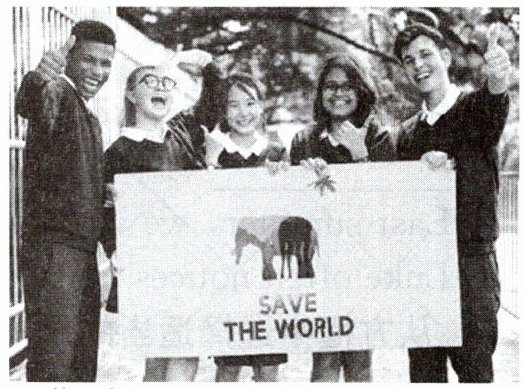
Wildlife World has founded several of these groups across the area. "Information we get from the children helps us learn how the wild animals use the forest, what they eat and how we can protect them best. The project (项目) is working very well and we hope to found more groups in the future," says the area leader (领导) Felipe Ramos.
Luis is the oldest and most experienced member of his group. "Before I joined, I planned to leave the village as soon as I was old enough to go and find work in the city, like most young people do," Luis says. "But now I want to go to college, become a scientist and come back here to carry on working to save these wild animals and their environment. Being part of the group has had a great influence (影响) on me."
Luis also spends time with the younger children in the village. "There is not much to do here after school," he says. "So I try to ask them to take part in our activities. As well as birdwatching and nature studies, we also do drama and art. The drama has been successful and we now have a theatre group of 30 children, which tours in the area, showing different plays."
(
A. He was not interested in them at all. B. He didn't think they needed protection.
C. He wanted to learn more about them. D. He knew they were in danger.
(
A. To find out how the local wild animals act in the wild.
B. To protect children from wild animals in the forest.
C. To teach children how to look after the environment.
D. To collect information about how people use the forest.
(
A. Luis is the youngest person who knows much about the wild animals.
B. The group didn't have an influence on Luis, but he was really happy to be with us.
C. We're going to miss Luis when he goes to college. But we're sure he'll be back.
D. When we first met Luis, he worked in a city. But he joined us at last.
(
A. describe the village life in Colombia B. suggest ways to protect the environment
C. show how Wildlife World has changed a boy D. tell why environmental protection is important
Luis Morales is 18 years old and comes from a tiny village in the Andes Mountains in Colombia. Till about seven years ago, one of Luis' favourite activities was to go into the thick forest around his home to hunt wild animals, especially (尤其) birds. Now, however, he and a group of other local young people work with an international organization (组织) called Wildlife World, to study and protect wild animals and their environment.
Wildlife World has founded several of these groups across the area. "Information we get from the children helps us learn how the wild animals use the forest, what they eat and how we can protect them best. The project (项目) is working very well and we hope to found more groups in the future," says the area leader (领导) Felipe Ramos.
Luis is the oldest and most experienced member of his group. "Before I joined, I planned to leave the village as soon as I was old enough to go and find work in the city, like most young people do," Luis says. "But now I want to go to college, become a scientist and come back here to carry on working to save these wild animals and their environment. Being part of the group has had a great influence (影响) on me."
Luis also spends time with the younger children in the village. "There is not much to do here after school," he says. "So I try to ask them to take part in our activities. As well as birdwatching and nature studies, we also do drama and art. The drama has been successful and we now have a theatre group of 30 children, which tours in the area, showing different plays."
(
B
) 1. What was Luis' attitude (态度) towards the wild animals in the forest years ago?A. He was not interested in them at all. B. He didn't think they needed protection.
C. He wanted to learn more about them. D. He knew they were in danger.
(
A
) 2. What is the purpose (目的) of the project according to Felipe Ramos?A. To find out how the local wild animals act in the wild.
B. To protect children from wild animals in the forest.
C. To teach children how to look after the environment.
D. To collect information about how people use the forest.
(
C
) 3. What would other group members say about Luis?A. Luis is the youngest person who knows much about the wild animals.
B. The group didn't have an influence on Luis, but he was really happy to be with us.
C. We're going to miss Luis when he goes to college. But we're sure he'll be back.
D. When we first met Luis, he worked in a city. But he joined us at last.
(
C
) 4. The writer wrote the passage mainly to ______.A. describe the village life in Colombia B. suggest ways to protect the environment
C. show how Wildlife World has changed a boy D. tell why environmental protection is important
答案:
1. B 2. A 3. C 4. C
查看更多完整答案,请扫码查看

