

 搜索
搜索
第26页
- 第4页
- 第5页
- 第6页
- 第7页
- 第8页
- 第9页
- 第10页
- 第11页
- 第12页
- 第13页
- 第14页
- 第15页
- 第16页
- 第17页
- 第18页
- 第19页
- 第20页
- 第21页
- 第22页
- 第23页
- 第24页
- 第25页
- 第26页
- 第27页
- 第28页
- 第29页
- 第30页
- 第31页
- 第32页
- 第33页
- 第34页
- 第35页
- 第36页
- 第37页
- 第38页
- 第39页
- 第40页
- 第41页
- 第42页
- 第43页
- 第44页
- 第45页
- 第46页
- 第47页
- 第48页
- 第49页
- 第50页
- 第51页
- 第52页
- 第53页
- 第54页
- 第55页
- 第56页
- 第57页
- 第58页
- 第59页
- 第60页
- 第61页
- 第62页
- 第63页
- 第64页
- 第65页
- 第66页
- 第67页
- 第68页
- 第69页
- 第70页
- 第71页
- 第72页
- 第73页
- 第74页
- 第75页
- 第76页
- 第77页
- 第78页
- 第79页
- 第80页
- 第81页
- 第82页
- 第83页
- 第84页
- 第85页
- 第86页
- 第87页
- 第88页
- 第89页
- 第90页
- 第91页
- 第92页
- 第93页
- 第94页
- 第95页
- 第96页
- 第97页
- 第98页
- 第99页
- 第100页
- 第101页
- 第102页
一、根据中文或首字母提示写出单词。每空限填一词。
1. The parents'
2. I. M. Pei(贝聿铭)
3. Pupils should learn some life
4. In these gardens
5.
6. It
7. (2023·眉山)— Tim,how often do you visit your grandparents?
—
1. The parents'
meeting
(会议) will start at 4:30 p.m. this Sunday.2. I. M. Pei(贝聿铭)
designed
(设计) Suzhou Museum for his hometown.3. Pupils should learn some life
skills
(技能) like cooking and washing clothes.4. In these gardens
each
(每个) plant has its own story to tell.5.
Geography
(地理) is the study of the countries,the ocean,rivers,mountains or cities of the world.6. It
sounds
like a good idea and I think we can have a try.7. (2023·眉山)— Tim,how often do you visit your grandparents?
—
Once
a week. I really enjoy staying with them.
答案:
1. meeting 2. designed 3. skills 4. each 5. Geography 6. sounds 7. Once
二、用括号中所给单词的适当形式填空。
1. Our teachers ask us to fill in these ______ (questionnaire) on the table.
2. Surfing(冲浪) is a fun and ______ (excited) sport and I really want to try it.
3. — What did you see at that art museum last week? — A lot of Chinese ______ (paint).
4. The members share their ______ (idea) about the film.
5. Everyone was touched by that great erhu ______ (master) performance.
1. Our teachers ask us to fill in these ______ (questionnaire) on the table.
questionnaires
2. Surfing(冲浪) is a fun and ______ (excited) sport and I really want to try it.
exciting
3. — What did you see at that art museum last week? — A lot of Chinese ______ (paint).
paintings
4. The members share their ______ (idea) about the film.
ideas
5. Everyone was touched by that great erhu ______ (master) performance.
master's
答案:
1. questionnaires 2. exciting 3. paintings 4. ideas 5. master's
1. The sports meeting in our school is very wonderful. The students each
A.has
B.have
C.is
D.are
B
great fun.A.has
B.have
C.is
D.are
答案:
B
2. — What's this? — It's a paper-cutting of fu. It's a kind of art
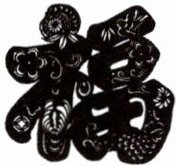
A.job
B.work
C.picture
D.symbol
B
.A.job
B.work
C.picture
D.symbol
答案:
B
3. Our dream is
A.build
B.to building
C.builds
D.to build
D
a beautiful home by living a low-carbon life(低碳生活).A.build
B.to building
C.builds
D.to build
答案:
D
4. Books give us knowledge and make
A.we feel
B.we felt
C.us feel
D.us feeling
C
happy.A.we feel
B.we felt
C.us feel
D.us feeling
答案:
C
5. — Do you
A.hope
B.love
C.want
D.live
B
watching football matches? — Yes. It is one of my hobbies.A.hope
B.love
C.want
D.live
答案:
B
四、句型转换。
1. We chat with each other on the internet every day. (改为否定句)
We
2. Her husband usually watches TV in the evening. (对画线部分提问)
3. I live with my parents in Nanjing. (对画线部分提问)
4. David sometimes helps his mum in the house. (改为一般疑问句,并作否定回答)
—
—
1. We chat with each other on the internet every day. (改为否定句)
We
don't chat
with each other on the internet every day.2. Her husband usually watches TV in the evening. (对画线部分提问)
What does
her husband usually do
in the evening?3. I live with my parents in Nanjing. (对画线部分提问)
Who do
you live with in Nanjing?4. David sometimes helps his mum in the house. (改为一般疑问句,并作否定回答)
—
Does
David sometimes help
his mum in the house?—
No
,he doesn't
.
答案:
1. don't chat 2. What does;do 3. Who do 4. Does;help;No;he doesn't
查看更多完整答案,请扫码查看

