

 搜索
搜索
第49页
- 第1页
- 第2页
- 第3页
- 第4页
- 第5页
- 第6页
- 第7页
- 第8页
- 第9页
- 第10页
- 第11页
- 第12页
- 第13页
- 第14页
- 第15页
- 第16页
- 第17页
- 第18页
- 第19页
- 第20页
- 第21页
- 第22页
- 第23页
- 第24页
- 第25页
- 第26页
- 第27页
- 第28页
- 第29页
- 第30页
- 第31页
- 第32页
- 第33页
- 第34页
- 第35页
- 第36页
- 第37页
- 第38页
- 第39页
- 第40页
- 第41页
- 第42页
- 第43页
- 第44页
- 第45页
- 第46页
- 第47页
- 第48页
- 第49页
- 第50页
- 第51页
- 第52页
- 第53页
- 第54页
- 第55页
- 第56页
- 第57页
- 第58页
- 第59页
- 第60页
- 第61页
- 第62页
- 第63页
- 第64页
- 第65页
- 第66页
- 第67页
- 第68页
- 第69页
- 第70页
- 第71页
- 第72页
- 第73页
- 第74页
- 第75页
- 第76页
- 第77页
- 第78页
- 第79页
- 第80页
- 第81页
- 第82页
- 第83页
- 第84页
- 第85页
- 第86页
- 第87页
- 第88页
- 第89页
- 第90页
- 第91页
- 第92页
- 第93页
- 第94页
- 第95页
- 第96页
- 第97页
- 第98页
- 第99页
- 第100页
- 第101页
- 第102页
- 第103页
- 第104页
- 第105页
- 第106页
- 第107页
- 第108页
- 第109页
- 第110页
- 第111页
- 第112页
- 第113页
- 第114页
- 第115页
- 第116页
- 第117页
- 第118页
- 第119页
- 第120页
- 第121页
- 第122页
- 第123页
- 第124页
- 第125页
- 第126页
- 第127页
- 第128页
- 第129页
- 第130页
- 第131页
- 第132页
- 第133页
- 第134页
- 第135页
- 第136页
四、阅读理解(共15小题,每小题2分,满分30分)
A

China has recycled 170 million tons of plastic waste since 2011, saving 510 million tons of crude oil(原油)and reducing carbon emissions by 61.2 million tons. With 45% of global plastic recycling, China employs 900,000 people in this industry. Experts say recycling helps fight pollution and climate change, though challenges like plastic entering food chains remain.
Wetlands(湿地)Protect Migratory Birds in China
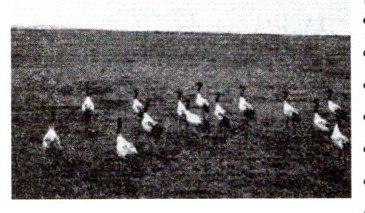
China's Yellow River Delta wetlands now host over 6 million migratory birds yearly, including rare red - crowned cranes and flamingos(火烈鸟). In Gansu's Yellow River First Curve Reserve, 30,000 birds stopped last November, setting a record high. Today, 55% of China's wetlands are under protection, saving habitats for more than 600 bird species. However, challenges like plastic pollution in rivers still need attention.
Fishing Ban Brings Life Back to China's Yangtze River
China's ban(禁令)on fishing in the Yangtze River, started in 2021, has helped fish numbers grow by 16.7%. Scientists found 227 types of local fish in 2023 — 34 more than before the ban. However, problems remain. Some parts of the river still face pollution, and illegal fishing is hard to stop due to limited technology. Experts say everyone can help by reporting illegal fishing and reducing plastic waste.
51. In which SECTION of the website can we read the news?
A. Technology & Innovation.
B. Human & Animals.
C. Environment & Nature.
D. Sports & Entertainment.
52. Which of the following is TRUE about the protection of wetlands in China?
A. The number of red - crowned cranes has dropped because of plastic pollution.
B. Over 600 bird species have completely disappeared from the Yellow River Delta.
C. 30,000 birds were observed in Gansu's reserve in November last year.
D. Only 34% of China's wetlands are now protected.
53. What helped fish numbers grow in the Yangtze River?
A. Foreign fish species were introduced in the Yangtze River.
B. People were not allowed to fish in the Yangtze River.
C. People reduced the plastic waste along the Yangtze River.
D. The development of technology helped to stop illegal fishing.
54. What would be the best heading for the first piece of news?
A. China Faces Plastic Waste Challenges
B. China Makes Efforts in Plastic Recycling
C. New Jobs Created in Recycling Industry
D. How to Reduce Carbon Emissions
55. What do the three pieces of news have in common?
A. They all mentioned plastic pollution.
B. They focus on problems with water pollution.
C. They all show China's actions to protect animals.
D. They explain how to save endangered animals.
A
China has recycled 170 million tons of plastic waste since 2011, saving 510 million tons of crude oil(原油)and reducing carbon emissions by 61.2 million tons. With 45% of global plastic recycling, China employs 900,000 people in this industry. Experts say recycling helps fight pollution and climate change, though challenges like plastic entering food chains remain.
Wetlands(湿地)Protect Migratory Birds in China
China's Yellow River Delta wetlands now host over 6 million migratory birds yearly, including rare red - crowned cranes and flamingos(火烈鸟). In Gansu's Yellow River First Curve Reserve, 30,000 birds stopped last November, setting a record high. Today, 55% of China's wetlands are under protection, saving habitats for more than 600 bird species. However, challenges like plastic pollution in rivers still need attention.
Fishing Ban Brings Life Back to China's Yangtze River
China's ban(禁令)on fishing in the Yangtze River, started in 2021, has helped fish numbers grow by 16.7%. Scientists found 227 types of local fish in 2023 — 34 more than before the ban. However, problems remain. Some parts of the river still face pollution, and illegal fishing is hard to stop due to limited technology. Experts say everyone can help by reporting illegal fishing and reducing plastic waste.
51. In which SECTION of the website can we read the news?
A. Technology & Innovation.
B. Human & Animals.
C. Environment & Nature.
D. Sports & Entertainment.
52. Which of the following is TRUE about the protection of wetlands in China?
A. The number of red - crowned cranes has dropped because of plastic pollution.
B. Over 600 bird species have completely disappeared from the Yellow River Delta.
C. 30,000 birds were observed in Gansu's reserve in November last year.
D. Only 34% of China's wetlands are now protected.
53. What helped fish numbers grow in the Yangtze River?
A. Foreign fish species were introduced in the Yangtze River.
B. People were not allowed to fish in the Yangtze River.
C. People reduced the plastic waste along the Yangtze River.
D. The development of technology helped to stop illegal fishing.
54. What would be the best heading for the first piece of news?
A. China Faces Plastic Waste Challenges
B. China Makes Efforts in Plastic Recycling
C. New Jobs Created in Recycling Industry
D. How to Reduce Carbon Emissions
55. What do the three pieces of news have in common?
A. They all mentioned plastic pollution.
B. They focus on problems with water pollution.
C. They all show China's actions to protect animals.
D. They explain how to save endangered animals.
答案:
51—55 CCBBA
查看更多完整答案,请扫码查看

