

 搜索
搜索
- Read and write.看图,补全对话。
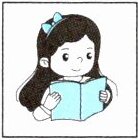
1.
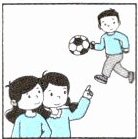
2.
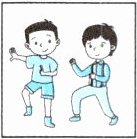
3.
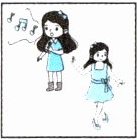
4.
1. —What's your hobby? —I like
2. —What's your brother's hobby? —He likes
3. —Do they like
4. —What are her hobbies? —She likes
1.
2.
3.
4.
1. —What's your hobby? —I like
reading
books
.2. —What's your brother's hobby? —He likes
playing
football
.3. —Do they like
doing
kung
fu
? —Yes, they do.4. —What are her hobbies? —She likes
singing
and dancing
.
答案:
1. reading books 2. playing football 3. doing kung fu 4. singing dancing
(
A.listening
B.to listen
C.listening to
C
)1.—What's your hobby? —I like ______ music.A.listening
B.to listen
C.listening to
答案:
C
(
A.like to swim
B.likes to swimming
C.likes swimming
C
)2.—What are your pen pal's hobbies? —He ______.A.like to swim
B.likes to swimming
C.likes swimming
答案:
C
( )3.—I like playing football. What about you? —
A.Yes, I do.
B.Me too.
C.He likes playing football.
B
A.Yes, I do.
B.Me too.
C.He likes playing football.
答案:
B
(
A.the violin
B.a violin
C.violin
A
)4.She doesn't like playing ______.A.the violin
B.a violin
C.violin
答案:
A
(
A.too
B.also
C.to
B
)5.He ______ likes singing.A.too
B.also
C.to
答案:
B
- Read and choose.给下列句子选择正确的答语。
(
(
(
(
(
A. Me too.
B. She likes watching TV.
C. No, he doesn't.
D. He lives on the farm.
E. Tom is my best friend.
(
B
)1. What are Amy's hobbies?(
D
)2. Where does he live?(
A
)3. I like doing kung fu.(
E
)4. Who's your best friend?(
C
)5. Does he like singing?A. Me too.
B. She likes watching TV.
C. No, he doesn't.
D. He lives on the farm.
E. Tom is my best friend.
答案:
1. B
2. D
3. A
4. E
5. C
2. D
3. A
4. E
5. C
- Read and order.将下列句子排列成一段通顺的对话。
(
(
(
(
(
(
2
)I like painting. What about you?(
3
)Me too. There is a painting show on Saturday. Let's go together.(
1
)What are your hobbies?(
5
)Sure.(
4
)My friend Amy likes painting, too. Can she go with us?
答案:
2;3;1;5;4
解析:
对话排序需遵循“开启话题→回应话题→延伸邀请→协商细节→确认同意”的逻辑流程,具体分析如下:
1. 对话需以“发起疑问、开启话题”的句子开头。“What are your hobbies?(你的爱好是什么?)”是直接询问对方爱好的问句,能自然引出后续交流,因此排第1位。
2. 针对“爱好是什么”的提问,需用具体爱好回应。“I like painting. What about you?(我喜欢画画。你呢?)”既回答了自己的爱好,又通过“What about you?”反问对方,承接话题,因此排第2位。
3. 对于“What about you?”的反问,需先回应自身爱好,再延伸话题。“Me too. There is a painting show on Saturday. Let's go together.(我也喜欢。周六有一场画展,我们一起去吧。)”先表明和对方爱好一致,再提出共同去画展的邀请,推动对话发展,因此排第3位。
4. 收到“一起去画展”的邀请后,会进一步协商细节。“My friend Amy likes painting, too. Can she go with us?(我的朋友埃米也喜欢画画。她能和我们一起去吗?)”是询问能否带朋友同行,属于对邀请的补充协商,因此排第4位。
5. 针对“带朋友同行”的请求,需给出明确答复。“Sure.(当然可以。)”是肯定回应,让对话形成完整闭环,因此排第5位。
综上,句子按“1(What are your hobbies?)→2(I like painting...)→3(Me too...)→4(My friend Amy...)→5(Sure.)”的逻辑通顺排列。
查看更多完整答案,请扫码查看

