

 搜索
搜索
第28页
- 第1页
- 第2页
- 第3页
- 第4页
- 第5页
- 第6页
- 第7页
- 第8页
- 第9页
- 第10页
- 第11页
- 第12页
- 第13页
- 第14页
- 第15页
- 第16页
- 第17页
- 第18页
- 第19页
- 第20页
- 第21页
- 第22页
- 第23页
- 第24页
- 第25页
- 第26页
- 第27页
- 第28页
- 第29页
- 第30页
- 第31页
- 第32页
- 第33页
- 第34页
- 第35页
- 第36页
- 第37页
- 第38页
- 第39页
- 第40页
- 第41页
- 第42页
- 第43页
- 第44页
- 第45页
- 第46页
- 第47页
- 第48页
- 第49页
- 第50页
- 第51页
- 第52页
- 第53页
- 第54页
- 第55页
- 第56页
- 第57页
- 第58页
- 第59页
- 第60页
- 第61页
- 第62页
- 第63页
- 第64页
- 第65页
- 第66页
- 第67页
- 第68页
- 第69页
- 第70页
- 第71页
- 第72页
- 第73页
- 第74页
- 第75页
- 第76页
- 第77页
- 第78页
- 第79页
- 第80页
- 第81页
- 第82页
- 第83页
- 第84页
- 第85页
- 第86页
- 第87页
- 第88页
- 第89页
- 第90页
- 第91页
- 第92页
- 第93页
- 第94页
- 第95页
- 第96页
- 第97页
- 第98页
- 第99页
- 第100页
- 第101页
- 第102页
- 第103页
- 第104页
- 第105页
- 第106页
- 第107页
- 第108页
- 第109页
- 第110页
- 第111页
- 第112页
- 第113页
- 第114页
- 第115页
- 第116页
- 第117页
- 第118页
- 第119页
- 第120页
- 第121页
- 第122页
- 第123页
- 第124页
- 第125页
- 第126页
- 第127页
- 第128页
- 第129页
- 第130页
- 第131页
- 第132页
- 第133页
- 第134页
- 第135页
- 第136页
- 第137页
- 第138页
- 第139页
- 第140页
- 第141页
- 第142页
- 第143页
- 第144页
(
$—\quad\quad, my friends. Welcome($欢迎) to Nanjing Hongshan Forest Zoo(南京红山森林动物园) again.
A.Hello
B.See you next time
C.Morning
B
)4.亮点原创 —Goodbye, Dudu.$—\quad\quad, my friends. Welcome($欢迎) to Nanjing Hongshan Forest Zoo(南京红山森林动物园) again.
A.Hello
B.See you next time
C.Morning
答案:
【解析】:这是一道英语日常交际用语的题目,考查学生对告别和回应告别用语的理解与运用。题目中上句是“Goodbye, Dudu.”(再见,嘟嘟。),这是告别用语,下句应该是对告别的回应。A选项“Hello”是打招呼用语;B选项“See you next time”意思是“下次见”,是常见的告别回应用语;C选项“Morning”是早上好的意思,也是打招呼用语。所以根据语境,应该选择回应告别的用语。
【答案】:B
【答案】:B
(
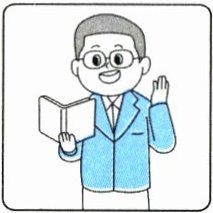
A.Mr Wei
B.Miss Wang
C.Mr Wang
C
$)5.I'm Wang Wei. My students call me \quad\quad.$A.Mr Wei
B.Miss Wang
C.Mr Wang
答案:
【解析】:根据题目中的“I'm Wang Wei. My students call me...”可知,需要选择一个合适的称呼。根据图片中的人物穿着西装,戴着眼镜,是一个男性形象,因此应该使用“Mr”来称呼。再结合名字“Wang Wei”,通常西方习惯是名在前,姓在后,但在称呼时,一般用姓。这里“Wang”是姓,“Wei”是名,所以应该称呼为“Mr Wang”。
【答案】:C
【答案】:C
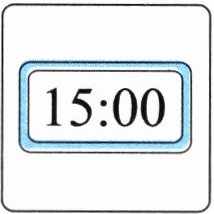
(
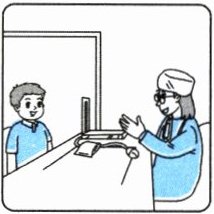
(
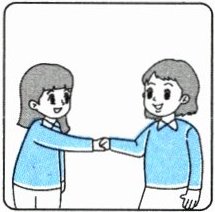
(
(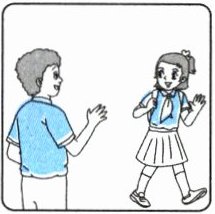
×
)1. —Good morning.—Morning.(
×
)2. —What's your name?—My name is Wang Bing.(
√
)3. —Nice to meet you, Yang Ling.—Nice to meet you too.(
×
)4. —Goodbye, Miss Li.—Goodbye, Liu Jiajia.
答案:
1. ×
2. ×
3. √
4. ×
2. ×
3. √
4. ×
A: Good morning. Can I get a student card, please?
B: Sure. 1.
A: 2.
B: How do you spell it?
A: J-A-S-O-N, Jason.
B: 3.
A: Yes. My Chinese name is Liu Jun.
B: OK. Your student number is G3001.
A: 4.
Student Card
Chinese name:
English name:
Student number:
B: Sure. 1.
B
A: 2.
D
B: How do you spell it?
A: J-A-S-O-N, Jason.
B: 3.
C
A: Yes. My Chinese name is Liu Jun.
B: OK. Your student number is G3001.
A: 4.
A
Student Card
Chinese name:
Liu Jun
English name:
Jason
Student number:
G3001
答案:
【解析】:本题主要考查日常对话中的问答逻辑以及信息提取能力。对话围绕办理学生卡展开,需要从方框中选择合适的句子补全对话,并完成学生卡信息。解题关键在于根据上下文的问答逻辑来选择合适的句子,同时准确提取对话中的关键信息填写学生卡。
1. 根据上文“Can I get a student card, please?”(请问我可以办一张学生卡吗?),以及下文回答名字的拼写,可知此处是询问名字,所以选B“What's your name?”(你叫什么名字?)。
2. 根据下文“How do you spell it?”(你怎么拼写它?)以及“J - A - S - O - N, Jason.”,可知此处是回答英文名字,所以选D“My English name is Jason.”(我的英文名字是杰森。)。
3. 根据下文“Yes. My Chinese name is Liu Jun.”(是的。我的中文名字是刘军。),可知此处是询问是否有中文名字,所以选C“Do you have a Chinese name?”(你有中文名字吗?)。
4. 根据上文“Your student number is G3001.”(你的学号是G3001。),可知此处是表示感谢,所以选A“Thank you!”(谢谢你!)。
完成学生卡部分,根据对话内容,英文名字是Jason,中文名字是Liu Jun,学生号码是G3001。
【答案】:1. B;2. D;3. C;4. A。
Student Card
Chinese name: Liu Jun
English name: Jason
Student number: G3001
1. 根据上文“Can I get a student card, please?”(请问我可以办一张学生卡吗?),以及下文回答名字的拼写,可知此处是询问名字,所以选B“What's your name?”(你叫什么名字?)。
2. 根据下文“How do you spell it?”(你怎么拼写它?)以及“J - A - S - O - N, Jason.”,可知此处是回答英文名字,所以选D“My English name is Jason.”(我的英文名字是杰森。)。
3. 根据下文“Yes. My Chinese name is Liu Jun.”(是的。我的中文名字是刘军。),可知此处是询问是否有中文名字,所以选C“Do you have a Chinese name?”(你有中文名字吗?)。
4. 根据上文“Your student number is G3001.”(你的学号是G3001。),可知此处是表示感谢,所以选A“Thank you!”(谢谢你!)。
完成学生卡部分,根据对话内容,英文名字是Jason,中文名字是Liu Jun,学生号码是G3001。
【答案】:1. B;2. D;3. C;4. A。
Student Card
Chinese name: Liu Jun
English name: Jason
Student number: G3001
查看更多完整答案,请扫码查看

