

 搜索
搜索
第30页
- 第1页
- 第2页
- 第3页
- 第4页
- 第5页
- 第6页
- 第7页
- 第8页
- 第9页
- 第10页
- 第11页
- 第12页
- 第13页
- 第14页
- 第15页
- 第16页
- 第17页
- 第18页
- 第19页
- 第20页
- 第21页
- 第22页
- 第23页
- 第24页
- 第25页
- 第26页
- 第27页
- 第28页
- 第29页
- 第30页
- 第31页
- 第32页
- 第33页
- 第34页
- 第35页
- 第36页
- 第37页
- 第38页
- 第39页
- 第40页
- 第41页
- 第42页
- 第43页
- 第44页
- 第45页
- 第46页
- 第47页
- 第48页
- 第49页
- 第50页
- 第51页
- 第52页
- 第53页
- 第54页
- 第55页
- 第56页
- 第57页
- 第58页
- 第59页
- 第60页
- 第61页
- 第62页
- 第63页
- 第64页
- 第65页
- 第66页
- 第67页
- 第68页
- 第69页
- 第70页
- 第71页
- 第72页
- 第73页
- 第74页
- 第75页
- 第76页
- 第77页
- 第78页
- 第79页
- 第80页
- 第81页
- 第82页
- 第83页
- 第84页
- 第85页
- 第86页
- 第87页
- 第88页
- 第89页
- 第90页
- 第91页
- 第92页
- 第93页
- 第94页
- 第95页
- 第96页
- 第97页
- 第98页
- 第99页
- 第100页
- 第101页
- 第102页
- 第103页
- 第104页
- 第105页
- 第106页
- 第107页
- 第108页
- 第109页
- 第110页
- 第111页
- 第112页
- 第113页
- 第114页
- 第115页
- 第116页
- 第117页
- 第118页
- 第119页
- 第120页
- 第121页
- 第122页
- 第123页
- 第124页
- 第125页
- 第126页
- 第127页
- 第128页
- 第129页
- 第130页
- 第131页
- 第132页
- 第133页
- 第134页
- 第135页
D
What happens if you don't get enough sleep? Randy Gardner,a high school student in the US,wanted to find out. He did an experiment on the effect of sleeplessness for a science project and stayed awake for about 264 hours.
After 24 hours without sleep,Gardner started having trouble reading and watching television. The words and pictures were blurry. By the third day,he was having trouble doing things with his hands. By the fourth day,Gardner was hallucinating(产生幻觉). Over the next few days,Gardner's speech became hard to understand. By the eleventh day,Gardner couldn't pass a counting test. He simply stopped counting in the middle and couldn't remember what he was doing.
When Gardner finally went to bed,he slept for 14 hours and 45 minutes. The second night he slept for twelve hours,the third night he slept for ten and one - half hours,and by the fourth night,he had returned to his usual sleeping time. Even though Gardner became well again quickly,scientists believe going without sleep can be dangerous and say people shouldn't repeat Randy's experiment.
Has anyone stayed awake longer than Gardner? Yes! Maureen Weston from the UK holds the record for staying awake the longest in 1977. She went 18 days and 17 hours without sleep!
During your lifetime,you will likely spend 1/3 or more of your life sleeping. But why? Surprisingly,scientists don't know for sure. Scientists used to think we “turned our brains(大脑)off” when we went to sleep. But now,however,they know our brains are very active when we sleep. Some scientists think we sleep to refresh brain cells. Other scientists think sleep helps the body to grow and feel relaxed. Whatever the reason,we know it's important to get enough sleep.
(
A. 24 hours. B. 14 hours.
C. About 11 days. D. Around 18 days.
(
A. Unclear. B. Colorless. C. Funny. D. Exciting.
(
A. Gardner stayed awake the longest in the world.
B. Scientists can tell why sleep takes a long time in our life.
C. Gardner slept as usual on the first night after the experiment.
D. Scientists have found our brains are active while we are sleeping.
(
A. To show a special experiment.
B. To introduce an American student.
C. To tell people the truth of sleep.
D. To advise people to sleep enough.
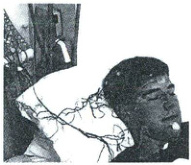
What happens if you don't get enough sleep? Randy Gardner,a high school student in the US,wanted to find out. He did an experiment on the effect of sleeplessness for a science project and stayed awake for about 264 hours.
After 24 hours without sleep,Gardner started having trouble reading and watching television. The words and pictures were blurry. By the third day,he was having trouble doing things with his hands. By the fourth day,Gardner was hallucinating(产生幻觉). Over the next few days,Gardner's speech became hard to understand. By the eleventh day,Gardner couldn't pass a counting test. He simply stopped counting in the middle and couldn't remember what he was doing.
When Gardner finally went to bed,he slept for 14 hours and 45 minutes. The second night he slept for twelve hours,the third night he slept for ten and one - half hours,and by the fourth night,he had returned to his usual sleeping time. Even though Gardner became well again quickly,scientists believe going without sleep can be dangerous and say people shouldn't repeat Randy's experiment.
Has anyone stayed awake longer than Gardner? Yes! Maureen Weston from the UK holds the record for staying awake the longest in 1977. She went 18 days and 17 hours without sleep!
During your lifetime,you will likely spend 1/3 or more of your life sleeping. But why? Surprisingly,scientists don't know for sure. Scientists used to think we “turned our brains(大脑)off” when we went to sleep. But now,however,they know our brains are very active when we sleep. Some scientists think we sleep to refresh brain cells. Other scientists think sleep helps the body to grow and feel relaxed. Whatever the reason,we know it's important to get enough sleep.
(
C
)27. How long did Gardner stay awake in the experiment?A. 24 hours. B. 14 hours.
C. About 11 days. D. Around 18 days.
(
A
)28. What does the underlined word “blurry” probably mean in Paragraph 2?A. Unclear. B. Colorless. C. Funny. D. Exciting.
(
D
)29. What can we learn from the text?A. Gardner stayed awake the longest in the world.
B. Scientists can tell why sleep takes a long time in our life.
C. Gardner slept as usual on the first night after the experiment.
D. Scientists have found our brains are active while we are sleeping.
(
D
)30. What is the main purpose of the text?A. To show a special experiment.
B. To introduce an American student.
C. To tell people the truth of sleep.
D. To advise people to sleep enough.
答案:
27. C 28. A 29. D 30. D
查看更多完整答案,请扫码查看

