

 搜索
搜索
三、阅读理解
①Sleep for humans almost always means there is a bed or a mat near here. Animals, how-ever, have many different ways of sleeping.
② For warmth, some animals sleep in groups, such as lions, monkeys, penguins and so on. Elephants also sleep in a group, but they sleep in groups for protection. The larger ele-phants make a circle around the younger ele-phants. The larger elephants sleep standing up, while the younger ones lie down to sleep.
③Some animals sleep in trees. Birds will lock their feet onto a tree to keep from falling out of the tree. Other animals, like squirrels, make nests in the trees to sleep in.
④Most animals look for dry places to sleep. However, ducks often sleep in water. They hold hands when they sleep in groups to keep from floating away.
⑤Most animals lie down to sleep. Howev-er, some large animals, like horses, can sleep standing up. The flamingo (火烈鸟) sleeps standing on just one leg.
⑥Most animals sleep at night, but some animals are nocturnal. Nocturnal animals sleep in the daytime. Bats and owls are nocturnal animals. They wake up when the sun goes down.
⑦Animals sleep in many different ways. But, just like humans, every animal must sleep.
(
A. They sleep in groups for fun.
B. They sleep in groups for food.
C. They sleep in groups for warmth.
D. They sleep in groups for protection.
(
A. Active at night.
B. With eyes wide open.
C. Sleep at night.
D. Sleep standing up.
(
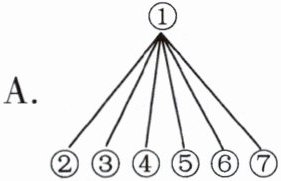
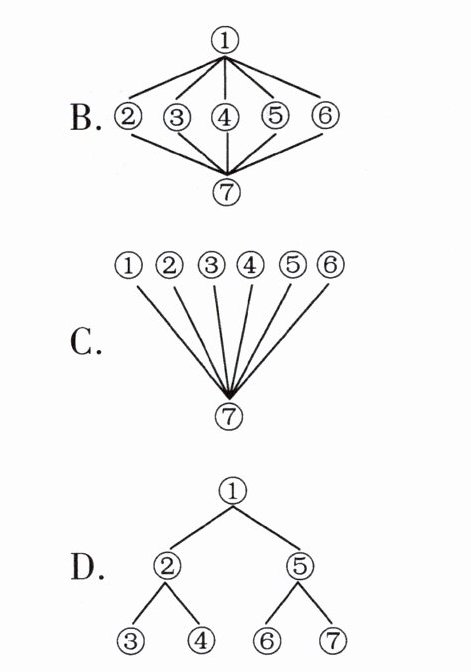
(
A. Animals sleep at different times of night.
B. Animals sleep in many different places.
C. Animals’ sleeping hours are differ-ent.
D. Animals sleep in many different ways.
①Sleep for humans almost always means there is a bed or a mat near here. Animals, how-ever, have many different ways of sleeping.
② For warmth, some animals sleep in groups, such as lions, monkeys, penguins and so on. Elephants also sleep in a group, but they sleep in groups for protection. The larger ele-phants make a circle around the younger ele-phants. The larger elephants sleep standing up, while the younger ones lie down to sleep.
③Some animals sleep in trees. Birds will lock their feet onto a tree to keep from falling out of the tree. Other animals, like squirrels, make nests in the trees to sleep in.
④Most animals look for dry places to sleep. However, ducks often sleep in water. They hold hands when they sleep in groups to keep from floating away.
⑤Most animals lie down to sleep. Howev-er, some large animals, like horses, can sleep standing up. The flamingo (火烈鸟) sleeps standing on just one leg.
⑥Most animals sleep at night, but some animals are nocturnal. Nocturnal animals sleep in the daytime. Bats and owls are nocturnal animals. They wake up when the sun goes down.
⑦Animals sleep in many different ways. But, just like humans, every animal must sleep.
(
D
)1. Why do elephants sleep in groups according to the passage?A. They sleep in groups for fun.
B. They sleep in groups for food.
C. They sleep in groups for warmth.
D. They sleep in groups for protection.
(
A
)2. What does the underlined word “noc-turnal” in Paragraph 6 probably mean?A. Active at night.
B. With eyes wide open.
C. Sleep at night.
D. Sleep standing up.
(
B
)3. Which of the following shows the structure (结构) of the passage?(
D
)4. What is the main idea of the passage?A. Animals sleep at different times of night.
B. Animals sleep in many different places.
C. Animals’ sleeping hours are differ-ent.
D. Animals sleep in many different ways.
答案:
1. D 2. A 3. B 4. D
查看更多完整答案,请扫码查看

