

 搜索
搜索
第102页
- 第1页
- 第2页
- 第3页
- 第4页
- 第5页
- 第6页
- 第7页
- 第8页
- 第9页
- 第10页
- 第11页
- 第12页
- 第13页
- 第14页
- 第15页
- 第16页
- 第17页
- 第18页
- 第19页
- 第20页
- 第21页
- 第22页
- 第23页
- 第24页
- 第25页
- 第26页
- 第27页
- 第28页
- 第29页
- 第30页
- 第31页
- 第32页
- 第33页
- 第34页
- 第35页
- 第36页
- 第37页
- 第38页
- 第39页
- 第40页
- 第41页
- 第42页
- 第43页
- 第44页
- 第45页
- 第46页
- 第47页
- 第48页
- 第49页
- 第50页
- 第51页
- 第52页
- 第53页
- 第54页
- 第55页
- 第56页
- 第57页
- 第58页
- 第59页
- 第60页
- 第61页
- 第62页
- 第63页
- 第64页
- 第65页
- 第66页
- 第67页
- 第68页
- 第69页
- 第70页
- 第71页
- 第72页
- 第73页
- 第74页
- 第75页
- 第76页
- 第77页
- 第78页
- 第79页
- 第80页
- 第81页
- 第82页
- 第83页
- 第84页
- 第85页
- 第86页
- 第87页
- 第88页
- 第89页
- 第90页
- 第91页
- 第92页
- 第93页
- 第94页
- 第95页
- 第96页
- 第97页
- 第98页
- 第99页
- 第100页
- 第101页
- 第102页
- 第103页
- 第104页
- 第105页
- 第106页
- 第107页
- 第108页
- 第109页
- 第110页
- 第111页
- 第112页
- 第113页
- 第114页
- 第115页
- 第116页
- 第117页
- 第118页
- 第119页
- 第120页
- 第121页
- 第122页
- 第123页
- 第124页
- 第125页
- 第126页
- 第127页
- 第128页
- 第129页
- 第130页
- 第131页
- 第132页
- 第133页
- 第134页
- 第135页
- 第136页
- 第137页
- 第138页
二、阅读理解。
A
Many of us learn how to ride a bicycle at a young age. As we grow older, we may stop riding, but whenever we get on a bicycle, it’s like we’ve never stopped biking.
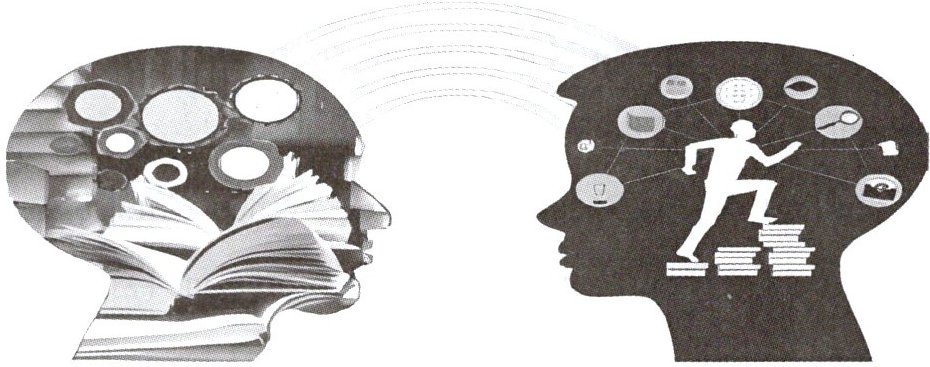
In many cases, our memory lets us down. We often find it hard to remember the name of a person or a place, but why can we still ride a bicycle after we stopped riding a long time ago?
It seems that there are many types of memory. They are in different parts of our brains. Memories of experiences (e.g. our first day at school) and of factual knowledge (e.g. the capital of China) are called declarative memory (陈述性记忆). Skills such as playing an instrument or riding a bike are called procedural memory (程序性记忆).
Scientists have done many tests on different memory types. The most famous of them was Henry Molaison, an epileptic (癫痫患者). In the 1950s, part of his brain was taken away. After that, his illness became better. But there’s a new problem—he couldn’t remember things!
What’s wrong with his memory? Through many tests, scientists found he could learn new skills slowly. However, he could never remember having been trained to learn a new skill. That means he could develop new procedural, but not declarative memories.
Scientists said that even with serious brain injuries, procedural memories last much longer. However, they haven’t found out why. Some say procedural memories are more lasting because they are in the brain’s centre.
Now, “just like riding a bicycle” is used in our life. Can you guess its meaning?
(
A. By telling the difference. B. By listing the number.
C. By giving an example. D. By asking questions.
(
A. Playing the piano. B. Our first day at school.
C. One trip to France. D. The first time I rode a bicycle.
(
A. Scientists. B. Memories. C. Types. D. Tests.
(
A. His illness became worse. B. He couldn’t learn new skills.
C. He could never remember anything. D. He couldn’t develop declarative memories.
(
A. A gift that one is born with. B. A skill that will never forget.
C. A task that takes a long time to finish. D. A memory that is always in the brain.
A
Many of us learn how to ride a bicycle at a young age. As we grow older, we may stop riding, but whenever we get on a bicycle, it’s like we’ve never stopped biking.
In many cases, our memory lets us down. We often find it hard to remember the name of a person or a place, but why can we still ride a bicycle after we stopped riding a long time ago?
It seems that there are many types of memory. They are in different parts of our brains. Memories of experiences (e.g. our first day at school) and of factual knowledge (e.g. the capital of China) are called declarative memory (陈述性记忆). Skills such as playing an instrument or riding a bike are called procedural memory (程序性记忆).
Scientists have done many tests on different memory types. The most famous of them was Henry Molaison, an epileptic (癫痫患者). In the 1950s, part of his brain was taken away. After that, his illness became better. But there’s a new problem—he couldn’t remember things!
What’s wrong with his memory? Through many tests, scientists found he could learn new skills slowly. However, he could never remember having been trained to learn a new skill. That means he could develop new procedural, but not declarative memories.
Scientists said that even with serious brain injuries, procedural memories last much longer. However, they haven’t found out why. Some say procedural memories are more lasting because they are in the brain’s centre.
Now, “just like riding a bicycle” is used in our life. Can you guess its meaning?
(
C
) 1. How does the writer start the article?A. By telling the difference. B. By listing the number.
C. By giving an example. D. By asking questions.
(
A
) 2. Which of the following is the example of procedural memory?A. Playing the piano. B. Our first day at school.
C. One trip to France. D. The first time I rode a bicycle.
(
D
) 3. What does the underlined word “them” in Paragraph 4 refer to?A. Scientists. B. Memories. C. Types. D. Tests.
(
D
) 4. What’s Henry Molaison’s problem after part of his brain was taken away?A. His illness became worse. B. He couldn’t learn new skills.
C. He could never remember anything. D. He couldn’t develop declarative memories.
(
B
) 5. What’s the meaning of “just like riding a bicycle”?A. A gift that one is born with. B. A skill that will never forget.
C. A task that takes a long time to finish. D. A memory that is always in the brain.
答案:
1. C
2. A
3. D
4. D
5. B
2. A
3. D
4. D
5. B
查看更多完整答案,请扫码查看

