

 搜索
搜索
第36页
- 第1页
- 第2页
- 第3页
- 第4页
- 第5页
- 第6页
- 第7页
- 第8页
- 第9页
- 第10页
- 第11页
- 第12页
- 第13页
- 第14页
- 第15页
- 第16页
- 第17页
- 第18页
- 第19页
- 第20页
- 第21页
- 第22页
- 第23页
- 第24页
- 第25页
- 第26页
- 第27页
- 第28页
- 第29页
- 第30页
- 第31页
- 第32页
- 第33页
- 第34页
- 第35页
- 第36页
- 第37页
- 第38页
- 第39页
- 第40页
- 第41页
- 第42页
- 第43页
- 第44页
- 第45页
- 第46页
- 第47页
- 第48页
- 第49页
- 第50页
- 第51页
- 第52页
- 第53页
- 第54页
- 第55页
- 第56页
- 第57页
- 第58页
- 第59页
- 第60页
- 第61页
- 第62页
- 第63页
- 第64页
- 第65页
- 第66页
- 第67页
- 第68页
- 第69页
- 第70页
- 第71页
第一节:阅读下面短文,从每题所给的 A、B、C、D 四个选项中,选出最佳选项。
A
This month, a school in Beijing held a special activity on “folk (民间) houses in China”. Around 100 models of folk houses made by students were on display. The school magazine reporter Wang Xinyue presents the stories behind their works.
Seeing the beauty of southern homes
I love the lifestyle south of the Yangtze River. So I decided to make a group of buildings to show this, including a river with a bridge, classic houses and a pavilion (亭子). Through this experience, I saw the beauty of traditional folk houses. It made me want to visit this place someday.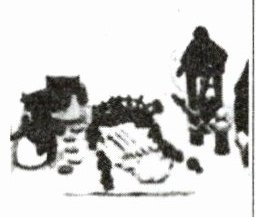
Gao Ruidi, 15
Admiring how Ma Tou walls stop fires
I found Ma Tou Walls in the region south of the Yangtze River interesting because they look like staircases. People build Ma Tou Walls to prevent the fire. While making the model, I used mortise and tenon joints (榫卯结构) to make the house stronger. By doing this, I realized how clever people were.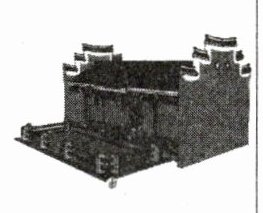
Wu Maolin, 15
Taking a look at Tibetan folk houses
I made a model of a traditional Tibetan folk house called a diaofang. Before making it, I learned online that most of them are built from stone and wood because of the cold weather there. But it was hard to build a small house using big stones, so I used paper instead. Folk houses can teach us a lot about the special cultures of different places.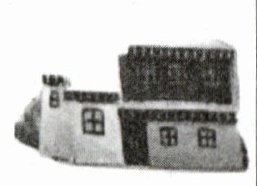
Wang Guanzhi, 15
(
A. Making traditional kites.
B. Performing Beijing opera.
C. Making Tujia wooden house.
D. Creating Chinese flower painting.
(
A. Gao Ruidi. B. Wu Maolin.
C. Wang Guanzhi. D. Wang Xinyue.
(
A. Science. B. Health. C. Fashion. D. Culture.
A
This month, a school in Beijing held a special activity on “folk (民间) houses in China”. Around 100 models of folk houses made by students were on display. The school magazine reporter Wang Xinyue presents the stories behind their works.
Seeing the beauty of southern homes
I love the lifestyle south of the Yangtze River. So I decided to make a group of buildings to show this, including a river with a bridge, classic houses and a pavilion (亭子). Through this experience, I saw the beauty of traditional folk houses. It made me want to visit this place someday.
Gao Ruidi, 15
Admiring how Ma Tou walls stop fires
I found Ma Tou Walls in the region south of the Yangtze River interesting because they look like staircases. People build Ma Tou Walls to prevent the fire. While making the model, I used mortise and tenon joints (榫卯结构) to make the house stronger. By doing this, I realized how clever people were.
Wu Maolin, 15
Taking a look at Tibetan folk houses
I made a model of a traditional Tibetan folk house called a diaofang. Before making it, I learned online that most of them are built from stone and wood because of the cold weather there. But it was hard to build a small house using big stones, so I used paper instead. Folk houses can teach us a lot about the special cultures of different places.
Wang Guanzhi, 15
(
C
)26. Which of the following stories can be added in this report?A. Making traditional kites.
B. Performing Beijing opera.
C. Making Tujia wooden house.
D. Creating Chinese flower painting.
(
C
)27. Who uses the paper as the main material for the model?A. Gao Ruidi. B. Wu Maolin.
C. Wang Guanzhi. D. Wang Xinyue.
(
D
)28. What part of the magazine may this passage be taken from?A. Science. B. Health. C. Fashion. D. Culture.
答案:
26. C 27. C 28. D
查看更多完整答案,请扫码查看

