

 搜索
搜索
2025年金学典同步解析与测评贵州人民出版社九年级英语上册人教版
注:目前有些书本章节名称可能整理的还不是很完善,但都是按照顺序排列的,请同学们按照顺序仔细查找。练习册 2025年金学典同步解析与测评贵州人民出版社九年级英语上册人教版 答案主要是用来给同学们做完题方便对答案用的,请勿直接抄袭。
第39页
- 第1页
- 第2页
- 第3页
- 第4页
- 第5页
- 第6页
- 第7页
- 第8页
- 第9页
- 第10页
- 第11页
- 第12页
- 第13页
- 第14页
- 第15页
- 第16页
- 第17页
- 第18页
- 第19页
- 第20页
- 第21页
- 第22页
- 第23页
- 第24页
- 第25页
- 第26页
- 第27页
- 第28页
- 第29页
- 第30页
- 第31页
- 第32页
- 第33页
- 第34页
- 第35页
- 第36页
- 第37页
- 第38页
- 第39页
- 第40页
- 第41页
- 第42页
- 第43页
- 第44页
- 第45页
- 第46页
- 第47页
- 第48页
- 第49页
- 第50页
- 第51页
- 第52页
- 第53页
- 第54页
- 第55页
- 第56页
- 第57页
- 第58页
- 第59页
- 第60页
- 第61页
- 第62页
- 第63页
- 第64页
- 第65页
- 第66页
- 第67页
- 第68页
- 第69页
- 第70页
- 第71页
- 第72页
- 第73页
- 第74页
- 第75页
- 第76页
- 第77页
- 第78页
- 第79页
- 第80页
- 第81页
- 第82页
- 第83页
- 第84页
- 第85页
- 第86页
- 第87页
- 第88页
- 第89页
- 第90页
- 第91页
- 第92页
- 第93页
- 第94页
- 第95页
- 第96页
- 第97页
- 第98页
- 第99页
- 第100页
- 第101页
- 第102页
- 第103页
- 第104页
- 第105页
- 第106页
- 第107页
- 第108页
- 第109页
- 第110页
- 第111页
- 第112页
- 第113页
- 第114页
- 第115页
- 第116页
- 第117页
C
Different countries and cultures have their own rules of polite speech. When learning a language, it is important to learn the rules of polite speech of the culture.
In spoken English, indirect (间接的) questions are generally considered more formal (正式的) and polite than direct questions. Indirect questions are questions with extra (额外的) words and phrases to make your questions softer. Try using some of these phrases to create indirect questions, “Do you know...?”, “Can/Could you tell me...?” When “Where is the bus stop?” becomes “Do you know where the bus stop is?”, it sounds much more polite.
What makes a question impolite? Most people would consider a question impolite if it’s asking them for information that they don’t really want to share. For example, in many cultures, it is not polite to ask questions about money. If you are meeting someone for the first time, or you don’t know a person very well yet, keep on the topics like sports, music, hobbies, or other general (常规的) ones.
In the English language, “magic words” are very important in polite speech. “Please” is sometimes used as a “magic word”. When eating out in a restaurant, you’d better say “Check the bill, please.” instead of “Bring me the bill, waiter!” Another magic word (or phrase) is “thank you”. When using English to ask for things or information, it is important to use the magic words like “please” and “thank you”.
Polite speech is always welcomed, so why not use it? Try to speak politely in different situations. This will help you communicate better with other people.
(
A. make a good choice of proper places to ask questions
B. speak louder to make everyone hear the question clearly
C. add extra words to the questions to make them sound softer
(
A. It’s not easy for the listeners to find out the impolite questions.
B. Some “magic words” play an important role in our polite speech.
C. Personal topics have to be talked about when we meet a stranger.
(
A. telling a story
B. listing numbers
C. comparing differences
(
Different countries and cultures have their own rules of polite speech. When learning a language, it is important to learn the rules of polite speech of the culture.
In spoken English, indirect (间接的) questions are generally considered more formal (正式的) and polite than direct questions. Indirect questions are questions with extra (额外的) words and phrases to make your questions softer. Try using some of these phrases to create indirect questions, “Do you know...?”, “Can/Could you tell me...?” When “Where is the bus stop?” becomes “Do you know where the bus stop is?”, it sounds much more polite.
What makes a question impolite? Most people would consider a question impolite if it’s asking them for information that they don’t really want to share. For example, in many cultures, it is not polite to ask questions about money. If you are meeting someone for the first time, or you don’t know a person very well yet, keep on the topics like sports, music, hobbies, or other general (常规的) ones.
In the English language, “magic words” are very important in polite speech. “Please” is sometimes used as a “magic word”. When eating out in a restaurant, you’d better say “Check the bill, please.” instead of “Bring me the bill, waiter!” Another magic word (or phrase) is “thank you”. When using English to ask for things or information, it is important to use the magic words like “please” and “thank you”.
Polite speech is always welcomed, so why not use it? Try to speak politely in different situations. This will help you communicate better with other people.
(
C
)9. We should ______ if we want to make our questions more polite.A. make a good choice of proper places to ask questions
B. speak louder to make everyone hear the question clearly
C. add extra words to the questions to make them sound softer
(
B
)10. Which of the following is TRUE according to the text?A. It’s not easy for the listeners to find out the impolite questions.
B. Some “magic words” play an important role in our polite speech.
C. Personal topics have to be talked about when we meet a stranger.
(
C
)11. The writer develops his idea by ______.A. telling a story
B. listing numbers
C. comparing differences
(
B
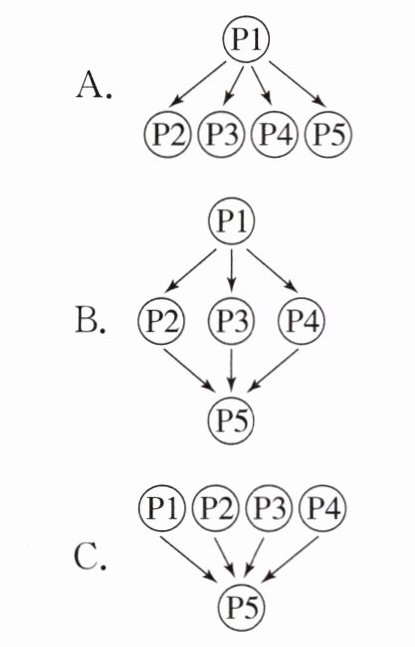
)12. What is the correct structure of the text? (P1= Paragraph 1)
答案:
9-12 CBCB
查看更多完整答案,请扫码查看

