

 搜索
搜索
2025年英语同步练习册八年级上册仁爱版河南专版
注:目前有些书本章节名称可能整理的还不是很完善,但都是按照顺序排列的,请同学们按照顺序仔细查找。练习册 2025年英语同步练习册八年级上册仁爱版河南专版 答案主要是用来给同学们做完题方便对答案用的,请勿直接抄袭。
第41页
- 第1页
- 第2页
- 第3页
- 第4页
- 第5页
- 第6页
- 第7页
- 第8页
- 第9页
- 第10页
- 第11页
- 第12页
- 第13页
- 第14页
- 第15页
- 第16页
- 第17页
- 第18页
- 第19页
- 第20页
- 第21页
- 第22页
- 第23页
- 第24页
- 第25页
- 第26页
- 第27页
- 第28页
- 第29页
- 第30页
- 第31页
- 第32页
- 第33页
- 第34页
- 第35页
- 第36页
- 第37页
- 第38页
- 第39页
- 第40页
- 第41页
- 第42页
- 第43页
- 第44页
- 第45页
- 第46页
- 第47页
- 第48页
- 第49页
- 第50页
- 第51页
- 第52页
- 第53页
- 第54页
- 第55页
- 第56页
- 第57页
- 第58页
- 第59页
- 第60页
- 第61页
- 第62页
- 第63页
- 第64页
- 第65页
- 第66页
- 第67页
- 第68页
- 第69页
- 第70页
- 第71页
- 第72页
- 第73页
- 第74页
- 第75页
- 第76页
- 第77页
- 第78页
- 第79页
- 第80页
- 第81页
- 第82页
- 第83页
- 第84页
- 第85页
- 第86页
- 第87页
- 第88页
- 第89页
- 第90页
- 第91页
- 第92页
- 第93页
- 第94页
- 第95页
- 第96页
- 第97页
- 第98页
- 第99页
- 第100页
- 第101页
- 第102页
- 第103页
- 第104页
- 第105页
- 第106页
- 第107页
- 第108页
- 第109页
- 第110页
- 第111页
- 第112页
- 第113页
- 第114页
- 第115页
- 第116页
- 第117页
- 第118页
- 第119页
- 第120页
- 第121页
- 第122页
- 第123页
- 第124页
- 第125页
- 第126页
- 第127页
- 第128页
- 第129页
- 第130页
- 第131页
- 第132页
- 第133页
- 第134页
- 第135页
- 第136页
- 第137页
- 第138页
- 第139页
- 第140页
- 第141页
- 第142页
- 第143页
- 第144页
一、根据中文意思完成句子。
1. 明明很小的时候爱上了书法。
Mingming
2. 那位著名的画家总是用他自己的方法画画。
The famous artist always paints
3. 在中国,汉服在年轻人中很受欢迎。
In China,*hanfu*
4. 在中国文化中,红色代表喜庆。
In Chinese culture,the color red
5. 二胡曲《赛马》听起来很激动人心。
The *erhu* music piece *Horse Racing* is exciting
1. 明明很小的时候爱上了书法。
Mingming
fell
in
love
with
calligraphy when he was very young.2. 那位著名的画家总是用他自己的方法画画。
The famous artist always paints
in
his
own
way(s)
.3. 在中国,汉服在年轻人中很受欢迎。
In China,*hanfu*
is
popular
among
young people.4. 在中国文化中,红色代表喜庆。
In Chinese culture,the color red
stands
for
happiness.5. 二胡曲《赛马》听起来很激动人心。
The *erhu* music piece *Horse Racing* is exciting
to
the
ear
.
答案:
1. fell in love with 2. in his own way(s)
3. is popular among 4. stands for 5. to the ear
3. is popular among 4. stands for 5. to the ear
二、阅读理解。
阅读下面的语言材料,然后按文后要求做题。
①Huangmei opera is a local (当地的) opera in Anhui Province. It is an intangible cultural heritage (非物质文化遗产) of China. Huangmei opera started a long time ago during the Tang Dynasty. It began with the *Picking Tea Song* in Huangmei County,Hubei Province. Later on,with the love and help of local people,it grew in the Anqing area of Anhui Province.
②Huangmei opera faced many difficulties along the way. During the late Qing Dynasty,there were many kinds of social (社会的) problems. As a result,Huangmei opera was hard to *survive*. But thanks to the hard work of a group of performers (表演者),Huangmei opera lived on.
③After the founding of the People's Republic of China,the government (政府) helped Huangmei opera return to people's everyday life. *Tianxian Pei* and *Nu Fuma* are two of the most popular plays of Huangmei opera.
④Today,Huangmei opera is a key part of traditional Chinese culture. The government and local communities are working hard to develop Huangmei opera. They train new performers and hold shows and competitions. Thanks to their hard work,Huangmei opera will keep going strong.
根据材料内容选择最佳答案。
(
①its history ②its importance
③its birthplace ④its style
A. ①②③ B. ②③④
C. ①②④ D. ①③④
(
A. 弘扬 B. 生存
C. 宣传 D. 流传
(
A. By telling stories.
B. By giving examples.
C. By asking questions.
D. By showing ideas.
(
A. They build Huangmei opera schools.
B. They encourage young people to study it.
C. They ask old performers to teach young students.
D. They train new performers and hold shows and competitions.
(
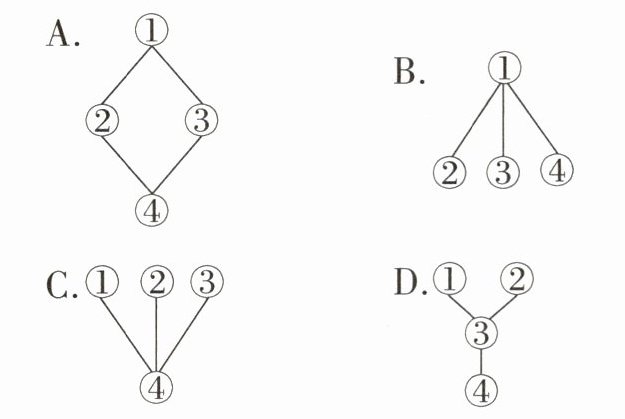
A.
B.
C.
D.
阅读下面的语言材料,然后按文后要求做题。
①Huangmei opera is a local (当地的) opera in Anhui Province. It is an intangible cultural heritage (非物质文化遗产) of China. Huangmei opera started a long time ago during the Tang Dynasty. It began with the *Picking Tea Song* in Huangmei County,Hubei Province. Later on,with the love and help of local people,it grew in the Anqing area of Anhui Province.
②Huangmei opera faced many difficulties along the way. During the late Qing Dynasty,there were many kinds of social (社会的) problems. As a result,Huangmei opera was hard to *survive*. But thanks to the hard work of a group of performers (表演者),Huangmei opera lived on.
③After the founding of the People's Republic of China,the government (政府) helped Huangmei opera return to people's everyday life. *Tianxian Pei* and *Nu Fuma* are two of the most popular plays of Huangmei opera.
④Today,Huangmei opera is a key part of traditional Chinese culture. The government and local communities are working hard to develop Huangmei opera. They train new performers and hold shows and competitions. Thanks to their hard work,Huangmei opera will keep going strong.
根据材料内容选择最佳答案。
(
A
)1. What are mentioned about Huangmei opera in the first paragraph?①its history ②its importance
③its birthplace ④its style
A. ①②③ B. ②③④
C. ①②④ D. ①③④
(
B
)2. What does the underlined word “*survive*” mean in Chinese?A. 弘扬 B. 生存
C. 宣传 D. 流传
(
B
)3. How does the writer support his or her idea in Paragraph 3?A. By telling stories.
B. By giving examples.
C. By asking questions.
D. By showing ideas.
(
D
)4. What do the government and local communities do to help develop Huangmei opera?A. They build Huangmei opera schools.
B. They encourage young people to study it.
C. They ask old performers to teach young students.
D. They train new performers and hold shows and competitions.
(
A
)5. What's the right structure of the passage?A.
B.
C.
D.
答案:
1. A 由第一段可知,本段介绍了黄梅戏的历史、重要性及发源地,没有提到黄梅戏的风格,故选A。
2. B 上文说黄梅戏面临很多困难,晚清时的社会问题使其很难“survive”;下文说多亏了一些(黄梅戏)表演者的努力,黄梅戏才得以存活下去。联系上下文可知,“survive”和“live”意思相近。故选B。
3. B 第三段以《天仙配》和《女驸马》为例,说明在中华人民共和国成立后,政府帮助黄梅戏回到了人们的日常生活。
4. D 由第四段第三句可知,为了发展黄梅戏,政府和一些黄梅戏社团训练新演员,举办演出、比赛。
5. A 通读全文可知,文章第一段介绍黄梅戏的概况;第二、三段介绍黄梅戏的艰难历程及其发展;第四段介绍黄梅戏的现状及作者的希望,属于总结。由此可知,本文属于“总—分—总”结构。
2. B 上文说黄梅戏面临很多困难,晚清时的社会问题使其很难“survive”;下文说多亏了一些(黄梅戏)表演者的努力,黄梅戏才得以存活下去。联系上下文可知,“survive”和“live”意思相近。故选B。
3. B 第三段以《天仙配》和《女驸马》为例,说明在中华人民共和国成立后,政府帮助黄梅戏回到了人们的日常生活。
4. D 由第四段第三句可知,为了发展黄梅戏,政府和一些黄梅戏社团训练新演员,举办演出、比赛。
5. A 通读全文可知,文章第一段介绍黄梅戏的概况;第二、三段介绍黄梅戏的艰难历程及其发展;第四段介绍黄梅戏的现状及作者的希望,属于总结。由此可知,本文属于“总—分—总”结构。
查看更多完整答案,请扫码查看

