

 搜索
搜索
第78页
- 第1页
- 第2页
- 第3页
- 第4页
- 第5页
- 第6页
- 第7页
- 第8页
- 第9页
- 第10页
- 第11页
- 第12页
- 第13页
- 第14页
- 第15页
- 第16页
- 第17页
- 第18页
- 第19页
- 第20页
- 第21页
- 第22页
- 第23页
- 第24页
- 第25页
- 第26页
- 第27页
- 第28页
- 第29页
- 第30页
- 第31页
- 第32页
- 第33页
- 第34页
- 第35页
- 第36页
- 第37页
- 第38页
- 第39页
- 第40页
- 第41页
- 第42页
- 第43页
- 第44页
- 第45页
- 第46页
- 第47页
- 第48页
- 第49页
- 第50页
- 第51页
- 第52页
- 第53页
- 第54页
- 第55页
- 第56页
- 第57页
- 第58页
- 第59页
- 第60页
- 第61页
- 第62页
- 第63页
- 第64页
- 第65页
- 第66页
- 第67页
- 第68页
- 第69页
- 第70页
- 第71页
- 第72页
- 第73页
- 第74页
- 第75页
- 第76页
- 第77页
- 第78页
- 第79页
- 第80页
- 第81页
- 第82页
- 第83页
- 第84页
- 第85页
- 第86页
- 第87页
- 第88页
- 第89页
- 第90页
- 第91页
- 第92页
- 第93页
- 第94页
- 第95页
- 第96页
- 第97页
- 第98页
- 第99页
- 第100页
- 第101页
- 第102页
- 第103页
- 第104页
- 第105页
- 第106页
- 第107页
- 第108页
- 第109页
- 第110页
- 第111页
- 第112页
- 第113页
- 第114页
- 第115页
- 第116页
- 第117页
- 第118页
- 第119页
- 第120页
- 第121页
- 第122页
四、阅读理解
“No building comes without carvings(雕刻), and carvings make buildings more valuable,” goes an old saying in Minnan, an area in southern Fujian Province. The saying refers to brick carvings, which were an important feature of the old red brick buildings in the area.
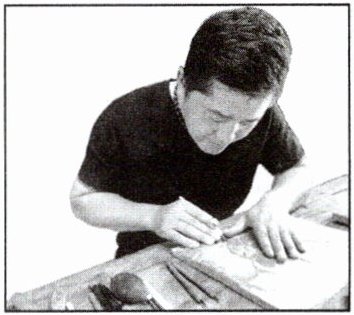
“The carvings were once commonly found on either side of main entrance of Minnan's buildings. However, with development, the number of ancient red brick buildings has decreased(下降), and Minnan's brick carvings have gradually(渐渐地)disappeared from sight,” said Wu Jiandong, a young master brick carver from Fujian's Quanzhou City.
The 42-year-old carver has learned the traditional skill and now connected it with modern tastes to develop his style of brick carving. Wu said that he hoped to be able to help the traditional craft(工艺)continue through *innovation*.
“Market requirements have changed in recent years, and so has our thinking,” Wu said. “We must add modern elements(元素)to help pass down and develop traditional crafts.”
People in Minnan love tea, so Wu created a series of carved brick tea decorations, including tea plates, cup holders, pot holders and other items. They have been warmly received by local people and foreign visitors.
Earlier this year, a pendant(挂件)decorated with a swallow tail ridge and a bright moon was bought by an overseas(海外的)Chinese from the Philippines. The customer(顾客)told Wu that he would hang the pendant in his office as a reminder of the buildings and the moon of his hometown.
Because of the praise of his work, Wu will be able to pass down the craft and further develop his pieces, and the popularity(流行)of short videos has also given his new hopes of spreading Minnan brick carvings.
The art form started during the Song dynasty and became popular during the Ming and Qing dynasties. It is now an important part of national cultural heritage(遗产).
(
A. To attract more people to visit Minnan.
B. To give advice on developing brick carvings.
C. To show the importance of brick carvings in Minnan.
D. To introduce an area in southern Fujian Province.
(
A. ways to make something famous
B. ancient ways of doing something
C. ways to make something special
D. new methods of doing something
(
A. Wu's most customers came from abroad
B. brick carvings become symbols of homesickness for some people
C. the pendant of brick carving becomes popular
D. Wu's brick pieces are warmly received all over the world
(
A. Confident.
B. Worried.
C. Hopeless.
D. Surprised.
(
A. An Artist with His Own Style of Brick Carvings.
B. The Ancient Red Brick Buildings in Minnan.
C. Minnan's Brick Carving Art Is Coming Back.
D. The History of Minnan's Brick Carvings.
“No building comes without carvings(雕刻), and carvings make buildings more valuable,” goes an old saying in Minnan, an area in southern Fujian Province. The saying refers to brick carvings, which were an important feature of the old red brick buildings in the area.
“The carvings were once commonly found on either side of main entrance of Minnan's buildings. However, with development, the number of ancient red brick buildings has decreased(下降), and Minnan's brick carvings have gradually(渐渐地)disappeared from sight,” said Wu Jiandong, a young master brick carver from Fujian's Quanzhou City.
The 42-year-old carver has learned the traditional skill and now connected it with modern tastes to develop his style of brick carving. Wu said that he hoped to be able to help the traditional craft(工艺)continue through *innovation*.
“Market requirements have changed in recent years, and so has our thinking,” Wu said. “We must add modern elements(元素)to help pass down and develop traditional crafts.”
People in Minnan love tea, so Wu created a series of carved brick tea decorations, including tea plates, cup holders, pot holders and other items. They have been warmly received by local people and foreign visitors.
Earlier this year, a pendant(挂件)decorated with a swallow tail ridge and a bright moon was bought by an overseas(海外的)Chinese from the Philippines. The customer(顾客)told Wu that he would hang the pendant in his office as a reminder of the buildings and the moon of his hometown.
Because of the praise of his work, Wu will be able to pass down the craft and further develop his pieces, and the popularity(流行)of short videos has also given his new hopes of spreading Minnan brick carvings.
The art form started during the Song dynasty and became popular during the Ming and Qing dynasties. It is now an important part of national cultural heritage(遗产).
(
C
) 1. Why does the writer begin the text by using the old saying?A. To attract more people to visit Minnan.
B. To give advice on developing brick carvings.
C. To show the importance of brick carvings in Minnan.
D. To introduce an area in southern Fujian Province.
(
D
) 2. The underlined word “innovation” in the passage probably means “______”.A. ways to make something famous
B. ancient ways of doing something
C. ways to make something special
D. new methods of doing something
(
B
) 3. We can infer(推断)from the sixth paragraph that ______.A. Wu's most customers came from abroad
B. brick carvings become symbols of homesickness for some people
C. the pendant of brick carving becomes popular
D. Wu's brick pieces are warmly received all over the world
(
A
) 4. How did Wu feel about his brick art pieces?A. Confident.
B. Worried.
C. Hopeless.
D. Surprised.
(
C
) 5. What is probably the best title for this passage?A. An Artist with His Own Style of Brick Carvings.
B. The Ancient Red Brick Buildings in Minnan.
C. Minnan's Brick Carving Art Is Coming Back.
D. The History of Minnan's Brick Carvings.
答案:
1. C 2. D 3. B 4. A 5. C
查看更多完整答案,请扫码查看

