

 搜索
搜索
第128页
- 第1页
- 第2页
- 第3页
- 第4页
- 第5页
- 第6页
- 第7页
- 第8页
- 第9页
- 第10页
- 第11页
- 第12页
- 第13页
- 第14页
- 第15页
- 第16页
- 第17页
- 第18页
- 第19页
- 第20页
- 第21页
- 第22页
- 第23页
- 第24页
- 第25页
- 第26页
- 第27页
- 第28页
- 第29页
- 第30页
- 第31页
- 第32页
- 第33页
- 第34页
- 第35页
- 第36页
- 第37页
- 第38页
- 第39页
- 第40页
- 第41页
- 第42页
- 第43页
- 第44页
- 第45页
- 第46页
- 第47页
- 第48页
- 第49页
- 第50页
- 第51页
- 第52页
- 第53页
- 第54页
- 第55页
- 第56页
- 第57页
- 第58页
- 第59页
- 第60页
- 第61页
- 第62页
- 第63页
- 第64页
- 第65页
- 第66页
- 第67页
- 第68页
- 第69页
- 第70页
- 第71页
- 第72页
- 第73页
- 第74页
- 第75页
- 第76页
- 第77页
- 第78页
- 第79页
- 第80页
- 第81页
- 第82页
- 第83页
- 第84页
- 第85页
- 第86页
- 第87页
- 第88页
- 第89页
- 第90页
- 第91页
- 第92页
- 第93页
- 第94页
- 第95页
- 第96页
- 第97页
- 第98页
- 第99页
- 第100页
- 第101页
- 第102页
- 第103页
- 第104页
- 第105页
- 第106页
- 第107页
- 第108页
- 第109页
- 第110页
- 第111页
- 第112页
- 第113页
- 第114页
- 第115页
- 第116页
- 第117页
- 第118页
- 第119页
- 第120页
- 第121页
- 第122页
- 第123页
- 第124页
- 第125页
- 第126页
- 第127页
- 第128页
阅读理解 C 人与社会(文化) | 记叙文 | 词数: 260+173 | 难度: ★★★★★ | 建议用时: 9 min | 答案册: P44
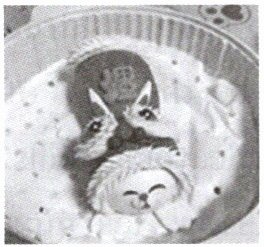 Look at the "bunny" in the picture. Can you guess what it is used for? Is it a toy? Well, if you think so, think again. The cute "bunny" is huabobo. It is a traditional bun(小圆甜饼) in Shandong.
But this bunny-shaped one, clearly, stands out from the rest. It is made by Zang Chaiyuan, a young woman from Yantai, Shandong. Zang has loved huabobo ever since she was a child. Her grandmother was good at making these buns. They would not only look beautiful but also taste great.
After she finished college, Zang wanted to start up her own huabobo business. At first, her parents were against the idea. But the woman stood her ground. She started by learning the basic skills from huabobo masters(能手). In the beginning, the buns would often break apart after being steamed(蒸). Zang felt upset. But by practicing her skills again and again, finally she was able to make perfect buns. Zang believes that paying attention to details is important. These days, she carefully designs her bunnies' facial features(面部特征). She also creates nice-looking dresses for her "animals". After being steamed, the "bunnies" seem to take on a life of their own.
Zang's "bunnies" have enjoyed great popularity. Every day, the woman receives around 40 orders from around China. Each of these orders is for two to three kilograms of buns.
Zang's huabobo has given this traditional bun new life. What is your favorite local food? Can you make it yourself? What do you think you can do to help pass down this tradition?
1. Where is Zang from?
A. Shanxi.
B. Shandong.
C. Hebei.
D. Henan.
2. When did Zang want to start up her own huabobo business?
A. When she was a child.
B. After she finished college.
C. After she left middle school.
D. When she was a university student.
3. Why did Zang feel upset?
A. Because her parents were against her idea.
B. Because it was difficult to design her bunnies' facial features.
C. Because her "bunnies" weren't popular among young people.
D. Because the buns would often break apart after being steamed.
4. What can we learn from the passage?
A. Every day, Zang receives around 50 orders from around China.
B. Zang's grandmother taught Zang how to make the buns.
C. When Zang was a child, she loved huabobo very much.
D. Each of the orders is for 2 000 to 3 000 buns.
5. In which column(栏目) of a newspaper can we find the passage?
A. Local Food.
B. Science Study.
C. University History.
D. History Story.
Look at the "bunny" in the picture. Can you guess what it is used for? Is it a toy? Well, if you think so, think again. The cute "bunny" is huabobo. It is a traditional bun(小圆甜饼) in Shandong.But this bunny-shaped one, clearly, stands out from the rest. It is made by Zang Chaiyuan, a young woman from Yantai, Shandong. Zang has loved huabobo ever since she was a child. Her grandmother was good at making these buns. They would not only look beautiful but also taste great.
After she finished college, Zang wanted to start up her own huabobo business. At first, her parents were against the idea. But the woman stood her ground. She started by learning the basic skills from huabobo masters(能手). In the beginning, the buns would often break apart after being steamed(蒸). Zang felt upset. But by practicing her skills again and again, finally she was able to make perfect buns. Zang believes that paying attention to details is important. These days, she carefully designs her bunnies' facial features(面部特征). She also creates nice-looking dresses for her "animals". After being steamed, the "bunnies" seem to take on a life of their own.
Zang's "bunnies" have enjoyed great popularity. Every day, the woman receives around 40 orders from around China. Each of these orders is for two to three kilograms of buns.
Zang's huabobo has given this traditional bun new life. What is your favorite local food? Can you make it yourself? What do you think you can do to help pass down this tradition?
1. Where is Zang from?
A. Shanxi.
B. Shandong.
C. Hebei.
D. Henan.
2. When did Zang want to start up her own huabobo business?
A. When she was a child.
B. After she finished college.
C. After she left middle school.
D. When she was a university student.
3. Why did Zang feel upset?
A. Because her parents were against her idea.
B. Because it was difficult to design her bunnies' facial features.
C. Because her "bunnies" weren't popular among young people.
D. Because the buns would often break apart after being steamed.
4. What can we learn from the passage?
A. Every day, Zang receives around 50 orders from around China.
B. Zang's grandmother taught Zang how to make the buns.
C. When Zang was a child, she loved huabobo very much.
D. Each of the orders is for 2 000 to 3 000 buns.
5. In which column(栏目) of a newspaper can we find the passage?
A. Local Food.
B. Science Study.
C. University History.
D. History Story.
答案:
1. B 2. B 3. D 4. C 5. A
查看更多完整答案,请扫码查看

