

 搜索
搜索
第17页
- 第1页
- 第2页
- 第3页
- 第4页
- 第5页
- 第6页
- 第7页
- 第8页
- 第9页
- 第10页
- 第11页
- 第12页
- 第13页
- 第14页
- 第15页
- 第16页
- 第17页
- 第18页
- 第19页
- 第20页
- 第21页
- 第22页
- 第23页
- 第24页
- 第25页
- 第26页
- 第27页
- 第28页
- 第29页
- 第30页
- 第31页
- 第32页
- 第33页
- 第34页
- 第35页
- 第36页
- 第37页
- 第38页
- 第39页
- 第40页
- 第41页
- 第42页
- 第43页
- 第44页
- 第45页
- 第46页
- 第47页
- 第48页
- 第49页
- 第50页
- 第51页
- 第52页
- 第53页
- 第54页
- 第55页
- 第56页
- 第57页
- 第58页
- 第59页
- 第60页
- 第61页
- 第62页
- 第63页
- 第64页
- 第65页
- 第66页
- 第67页
- 第68页
- 第69页
- 第70页
- 第71页
- 第72页
- 第73页
- 第74页
- 第75页
- 第76页
- 第77页
- 第78页
- 第79页
- 第80页
- 第81页
- 第82页
- 第83页
- 第84页
- 第85页
- 第86页
- 第87页
- 第88页
- 第89页
- 第90页
- 第91页
- 第92页
- 第93页
- 第94页
- 第95页
- 第96页
- 第97页
- 第98页
- 第99页
- 第100页
- 第101页
- 第102页
- 第103页
- 第104页
- 第105页
- 第106页
- 第107页
- 第108页
- 第109页
- 第110页
- 第111页
- 第112页
- 第113页
- 第114页
- 第115页
- 第116页
- 第117页
- 第118页
- 第119页
- 第120页
- 第121页
- 第122页
- 第123页
- 第124页
- 第125页
- 第126页
- 第127页
- 第128页
- 第129页
- 第130页
- 第131页
- 第132页
- 第133页
- 第134页
- 第135页
- 第136页
You might have seen beautiful 23.
Moonbows are 26.
rainbows
in the sky before. They form when sunlight falls on water drops in the air. But 24.in fact
, moonlight can also create rainbows in the same way. They are called “moonbows”. They are similar to rainbows, but they are created by moonlight 25.instead of
direct sunlight.Moonbows are 26.
rarer
than rainbows. Different weather and astronomical conditions have to be just right for moonbows to be 27.created
.
答案:
23.rainbows 根据后文中的 create rainbows 可知,此处表示“美丽的彩虹”。rainbow 彩虹,根据后文中的 They 可知,应填其复数形式 rainbows。24.in fact 此处表示“但实际上”,应用 in fact。25.instead of 根据语境可知,月虹是由月光而不是阳光直射造成的,instead of(而不是)符合题意。26.rarer 根据后文可知,月虹比彩虹更加稀有,than 是比较级的标志,故填 rare(稀有的)的比较级形式 rarer。27.created 此处表示月虹的产生条件比较严格,create(创造;产生)符合题意。moonbows 和所缺动词之间是被动关系,要用被动语态结构 be done,故填过去分词 created。
Ⅵ.阅读理解
There are thousands of kinds of animals in the Amazon rainforest, each with different colours. Most rainforest animals use their colours for survival.
Some animals use colours to protect themselves from their predators (捕食者). An example is the green iguana (鬣鳞蜥). Young iguanas are bright green and hide among the bright green leaves of the trees where they live. As they grow older, their colour becomes duller. Old iguanas live higher in the trees, where the colours around are less bright.
Other animals are predators and use colours to hide from their prey. The boa constrictor snake (巨蚺) is a good example. Some boas are grey or brown, and their colours help them hide on branches. The emerald boa is green and white, so it can easily hide in the leaves. A boa hides in a tree and waits for a bird to fly by. When one does, the boa grabs the bird from the air and then squeezes it to death before eating it.
Colourful frogs can be orange, red, or green. Their bright colours let everybody know where they are. The bright colour warns other animals that this frog is poisonous, so they stay away. These tiny frogs are very poisonous indeed. One frog has enough poison to kill 100 people!
The colours of the rainforest look beautiful to us, but to the animals they are very important. They help the animals survive.
28. In which part of a magazine may we read this?
A. History.
B. Culture.
C. Art.
D. Nature.
29. What colour is the adult green iguana?
A. Bright green.
B. Dull green.
C. Grey or brown.
D. Green and white.
30. Which animal in the passage is an example of “prey”?
A. The iguana.
B. The emerald boa.
C. The bird.
D. The colourful frog.
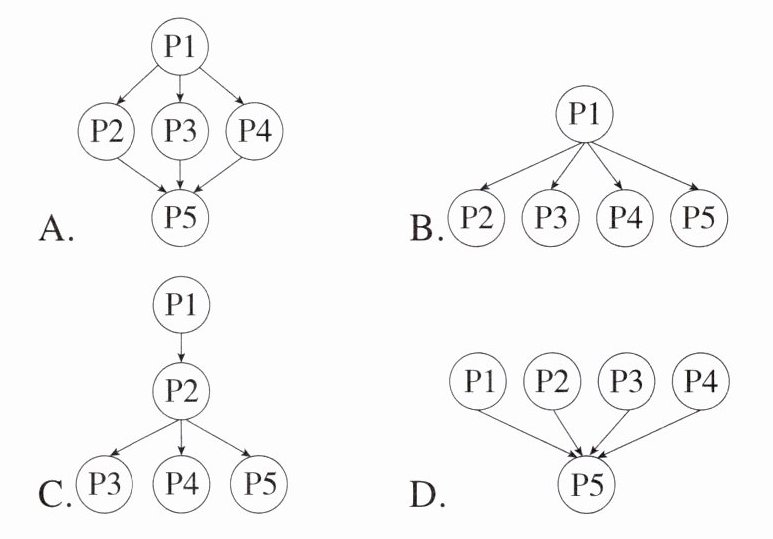
31. How is the passage organized? (P: Paragraph)
There are thousands of kinds of animals in the Amazon rainforest, each with different colours. Most rainforest animals use their colours for survival.
Some animals use colours to protect themselves from their predators (捕食者). An example is the green iguana (鬣鳞蜥). Young iguanas are bright green and hide among the bright green leaves of the trees where they live. As they grow older, their colour becomes duller. Old iguanas live higher in the trees, where the colours around are less bright.
Other animals are predators and use colours to hide from their prey. The boa constrictor snake (巨蚺) is a good example. Some boas are grey or brown, and their colours help them hide on branches. The emerald boa is green and white, so it can easily hide in the leaves. A boa hides in a tree and waits for a bird to fly by. When one does, the boa grabs the bird from the air and then squeezes it to death before eating it.
Colourful frogs can be orange, red, or green. Their bright colours let everybody know where they are. The bright colour warns other animals that this frog is poisonous, so they stay away. These tiny frogs are very poisonous indeed. One frog has enough poison to kill 100 people!
The colours of the rainforest look beautiful to us, but to the animals they are very important. They help the animals survive.
28. In which part of a magazine may we read this?
A. History.
B. Culture.
C. Art.
D. Nature.
29. What colour is the adult green iguana?
A. Bright green.
B. Dull green.
C. Grey or brown.
D. Green and white.
30. Which animal in the passage is an example of “prey”?
A. The iguana.
B. The emerald boa.
C. The bird.
D. The colourful frog.
31. How is the passage organized? (P: Paragraph)
答案:
28.D 文章出处题。通读全文可知,本文介绍了不同的颜色对雨林中的动物有着不同的作用,可能出自杂志的“自然”版块。故选 D。29.B 细节理解题。根据“Young iguanas are bright green”和“As they grow older, their colour becomes duller. Old iguanas live higher in the trees, where the colours around are less bright.”可知,成年的鬣鳞蜥的颜色是暗绿色.故选 B。30.C 细节理解题。根据“Other animals are predators... from their prey.”和“A boa hides in a tree...before eating it.”可知,鸟是巨蚺的猎物。故选 C。3l.A 文章结构题.通读全文可知,第一段概述不同颜色对雨林动物的作用,第二、三、四段具体举例说明颜色的作用,第五段总结全文,文章属于“总—分—总”结构。故选 A。
查看更多完整答案,请扫码查看

