

 搜索
搜索
第145页
- 第1页
- 第2页
- 第3页
- 第4页
- 第5页
- 第6页
- 第7页
- 第8页
- 第9页
- 第10页
- 第11页
- 第12页
- 第13页
- 第14页
- 第15页
- 第16页
- 第17页
- 第18页
- 第19页
- 第20页
- 第21页
- 第22页
- 第23页
- 第24页
- 第25页
- 第26页
- 第27页
- 第28页
- 第29页
- 第30页
- 第31页
- 第32页
- 第33页
- 第34页
- 第35页
- 第36页
- 第37页
- 第38页
- 第39页
- 第40页
- 第41页
- 第42页
- 第43页
- 第44页
- 第45页
- 第46页
- 第47页
- 第48页
- 第49页
- 第50页
- 第51页
- 第52页
- 第53页
- 第54页
- 第55页
- 第56页
- 第57页
- 第58页
- 第59页
- 第60页
- 第61页
- 第62页
- 第63页
- 第64页
- 第65页
- 第66页
- 第67页
- 第68页
- 第69页
- 第70页
- 第71页
- 第72页
- 第73页
- 第74页
- 第75页
- 第76页
- 第77页
- 第78页
- 第79页
- 第80页
- 第81页
- 第82页
- 第83页
- 第84页
- 第85页
- 第86页
- 第87页
- 第88页
- 第89页
- 第90页
- 第91页
- 第92页
- 第93页
- 第94页
- 第95页
- 第96页
- 第97页
- 第98页
- 第99页
- 第100页
- 第101页
- 第102页
- 第103页
- 第104页
- 第105页
- 第106页
- 第107页
- 第108页
- 第109页
- 第110页
- 第111页
- 第112页
- 第113页
- 第114页
- 第115页
- 第116页
- 第117页
- 第118页
- 第119页
- 第120页
- 第121页
- 第122页
- 第123页
- 第124页
- 第125页
- 第126页
- 第127页
- 第128页
- 第129页
- 第130页
- 第131页
- 第132页
- 第133页
- 第134页
- 第135页
- 第136页
- 第137页
- 第138页
- 第139页
- 第140页
- 第141页
- 第142页
- 第143页
- 第144页
- 第145页
- 第146页
- 第147页
- 第148页
- 第149页
- 第150页
- 第151页
- 第152页
- 第153页
- 第154页
- 第155页
- 第156页
- 第157页
- 第158页
- 第159页
- 第160页
- 第161页
- 第162页
- 第163页
- 第164页
- 第165页
- 第166页
- 第167页
- 第168页
- 第169页
- 第170页
- 第171页
- 第172页
- 第173页
- 第174页
- 第175页
- 第176页
- 第177页
- 第178页
- 第179页
- 第180页
- 第181页
- 第182页
- 第183页
- 第184页
- 第185页
- 第186页
- 第187页
- 第188页
- 第189页
- 第190页
- 第191页
- 第192页
- 第193页
- 第194页
- 第195页
- 第196页
- 第197页
- 第198页
- 第199页
- 第200页
Ⅲ. 阅读理解(每小题 2 分,共 20 分)
A
新素材 “甜口”良药 ①You might have heard “Good medicine tastes bitter”. But it may not be true in China these days. This is all thanks to new and creative (有创意的) ways of using traditional Chinese medicine (TCM).
②Xi Linjie, a 20-year-old student, has a personal experience with this change. She goes to a hospital in Chongqing because she feels quite tired and needs help. To her great surprise, instead of giving her a bitter herbal (中草药的) drink, she gets a cup of sweet milk tea. This milk tea has traditional Chinese medicine ingredients (原料), but it tastes delicious. “Most importantly, it’s good for health,” she says, really happy with this tasty and healthy drink.
③This special sweet milk tea is from the doctors at Chongqing Jiangbei Hospital of TCM. They want to help more young people to learn about TCM. They do this by giving them tasty drinks and snacks.
④In addition to milk tea, they also make candies and cakes with TCM ingredients. This new way of presenting TCM is for sure attracting quite a lot of young people who may not be interested in that before.
⑤Now, people don’t even have to visit a hospital to try TCM, as it is gradually becoming a common part of everyday life. Every weekend, Chongqing has a TCM night market. There people can get free health care and buy TCM products like sachets (香囊) and drinks.
⑥Professor Wang, a TCM expert from a nearby hospital, has noticed that many young people visit the market and are starting to trust and enjoy TCM. “ ▲,” he says, showing that the traditional Chinese medicine is finding new ways to stay in everyday life. This combination of old traditions and new ideas is helping young people to know more about TCM in a fun and healthy way.
1. How does the writer introduce the topic?
A. By listing numbers.
B. By asking a question.
C. By giving an example.
D. By using an old saying.
2. Why do the doctors at Chongqing Jiangbei Hospital of TCM make TCM milk tea?
A. Because they want to make money by selling the special milk tea.
B. Because they want more young people to learn about TCM through tasty drinks.
C. Because TCM milk tea is more useful than traditional Chinese medicine.
D. Because they don’t like the bitter taste of traditional Chinese medicine.
3. 新考法 补全文章 Which of the following can be put in “▲”?
A. TCM is not useful for young people
B. TCM is becoming popular with young people
C. Young people are not interested in TCM at all
D. Old people like TCM very much
4. What’s the passage mainly about?
A. The history of traditional Chinese medicine.
B. The story of a student named Xi Linjie in Chongqing.
C. What doctors can do to help young people be healthy.
D. How TCM is getting popular with young people in creative ways.
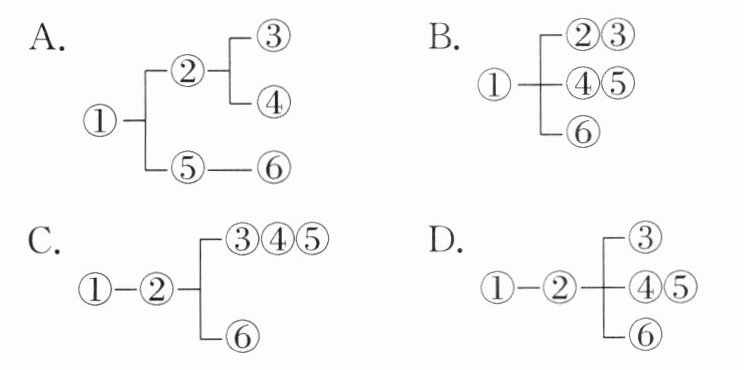
5. 新考法 篇章结构 What’s the structure of this passage?
A
新素材 “甜口”良药 ①You might have heard “Good medicine tastes bitter”. But it may not be true in China these days. This is all thanks to new and creative (有创意的) ways of using traditional Chinese medicine (TCM).
②Xi Linjie, a 20-year-old student, has a personal experience with this change. She goes to a hospital in Chongqing because she feels quite tired and needs help. To her great surprise, instead of giving her a bitter herbal (中草药的) drink, she gets a cup of sweet milk tea. This milk tea has traditional Chinese medicine ingredients (原料), but it tastes delicious. “Most importantly, it’s good for health,” she says, really happy with this tasty and healthy drink.
③This special sweet milk tea is from the doctors at Chongqing Jiangbei Hospital of TCM. They want to help more young people to learn about TCM. They do this by giving them tasty drinks and snacks.
④In addition to milk tea, they also make candies and cakes with TCM ingredients. This new way of presenting TCM is for sure attracting quite a lot of young people who may not be interested in that before.
⑤Now, people don’t even have to visit a hospital to try TCM, as it is gradually becoming a common part of everyday life. Every weekend, Chongqing has a TCM night market. There people can get free health care and buy TCM products like sachets (香囊) and drinks.
⑥Professor Wang, a TCM expert from a nearby hospital, has noticed that many young people visit the market and are starting to trust and enjoy TCM. “ ▲,” he says, showing that the traditional Chinese medicine is finding new ways to stay in everyday life. This combination of old traditions and new ideas is helping young people to know more about TCM in a fun and healthy way.
1. How does the writer introduce the topic?
A. By listing numbers.
B. By asking a question.
C. By giving an example.
D. By using an old saying.
2. Why do the doctors at Chongqing Jiangbei Hospital of TCM make TCM milk tea?
A. Because they want to make money by selling the special milk tea.
B. Because they want more young people to learn about TCM through tasty drinks.
C. Because TCM milk tea is more useful than traditional Chinese medicine.
D. Because they don’t like the bitter taste of traditional Chinese medicine.
3. 新考法 补全文章 Which of the following can be put in “▲”?
A. TCM is not useful for young people
B. TCM is becoming popular with young people
C. Young people are not interested in TCM at all
D. Old people like TCM very much
4. What’s the passage mainly about?
A. The history of traditional Chinese medicine.
B. The story of a student named Xi Linjie in Chongqing.
C. What doctors can do to help young people be healthy.
D. How TCM is getting popular with young people in creative ways.
5. 新考法 篇章结构 What’s the structure of this passage?
答案:
1.D 2.B 3.B 4.D 5.C
查看更多完整答案,请扫码查看

