

 搜索
搜索
第38页
- 第1页
- 第2页
- 第3页
- 第4页
- 第5页
- 第6页
- 第7页
- 第8页
- 第9页
- 第10页
- 第11页
- 第12页
- 第13页
- 第14页
- 第15页
- 第16页
- 第17页
- 第18页
- 第19页
- 第20页
- 第21页
- 第22页
- 第23页
- 第24页
- 第25页
- 第26页
- 第27页
- 第28页
- 第29页
- 第30页
- 第31页
- 第32页
- 第33页
- 第34页
- 第35页
- 第36页
- 第37页
- 第38页
- 第39页
- 第40页
- 第41页
- 第42页
- 第43页
- 第44页
- 第45页
- 第46页
- 第47页
- 第48页
- 第49页
- 第50页
- 第51页
- 第52页
- 第53页
- 第54页
- 第55页
- 第56页
- 第57页
- 第58页
- 第59页
- 第60页
- 第61页
- 第62页
- 第63页
- 第64页
- 第65页
- 第66页
- 第67页
- 第68页
- 第69页
- 第70页
- 第71页
- 第72页
- 第73页
- 第74页
- 第75页
- 第76页
- 第77页
- 第78页
- 第79页
- 第80页
- 第81页
- 第82页
- 第83页
- 第84页
- 第85页
- 第86页
- 第87页
- 第88页
- 第89页
- 第90页
- 第91页
- 第92页
- 第93页
- 第94页
- 第95页
- 第96页
- 第97页
- 第98页
- 第99页
- 第100页
- 第101页
- 第102页
- 第103页
- 第104页
- 第105页
- 第106页
- 第107页
- 第108页
- 第109页
- 第110页
- 第111页
- 第112页
- 第113页
- 第114页
- 第115页
- 第116页
- 第117页
- 第118页
- 第119页
- 第120页
- 第121页
- 第122页
- 第123页
- 第124页
- 第125页
- 第126页
- 第127页
- 第128页
- 第129页
- 第130页
- 第131页
- 第132页
- 第133页
- 第134页
- 第135页
五、听录音,补全对话。(每空1分,共5分)
1. A: Can you play ______? B: Yes. I can ______ too.
2. A: What can you do? B: I can ______.
3. A: Look! I can play ______ very well. B: ______!
1. A: Can you play ______? B: Yes. I can ______ too.
2. A: What can you do? B: I can ______.
3. A: Look! I can play ______ very well. B: ______!
答案:
1. basketball; swim 2. jump 3. football; Great
六、语音和词汇。(共10分)
(A)判断下列每组单词中画线部分读音是(T)否(F)相同。(每小题1分,共5分)
( )1. play ping-pong ( )2. try early
( )3. basketball football ( )4. great breakfast
( )5. well eleven
(A)判断下列每组单词中画线部分读音是(T)否(F)相同。(每小题1分,共5分)
( )1. play ping-pong ( )2. try early
( )3. basketball football ( )4. great breakfast
( )5. well eleven
答案:
(A) 1. T 2. F 3. F 4. F 5. F (B) 1. jump 2. basketball; football 3. ping-pong 4. swim
(B)根据图片提示填空。(每空1分,共5分)
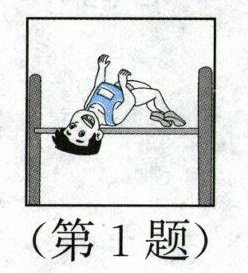
1. — Look! I can ______ high. — Great!
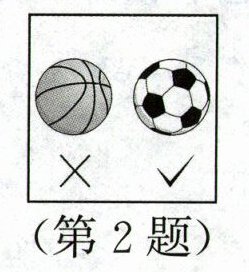
2. — Can Tom play ______? — No, he can't. But he can play ______.
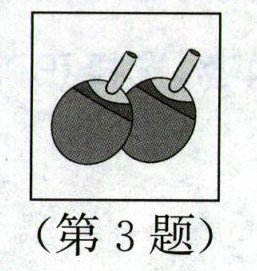
3. I can't play ______ well. But Lily can.
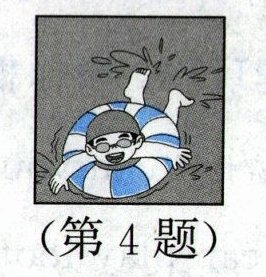
4. — Can Li Dong ______? — Yes, he can.
1. — Look! I can ______ high. — Great!
2. — Can Tom play ______? — No, he can't. But he can play ______.
3. I can't play ______ well. But Lily can.
4. — Can Li Dong ______? — Yes, he can.
答案:
【解析】:
这是一道英语填空题,考查学生对不同运动项目词汇的掌握以及根据图片提示进行填空的能力。解题关键在于准确识别图片所代表的运动项目,并结合句子语境选择合适的词汇填空。
1. 第一幅图显示的是一个人在跳高,“跳高”常用表达为“jump high”,且情态动词can后接动词原形,所以填“jump”。
2. 第二幅图左边是篮球,右边是足球,结合句子“Can Tom play...?”可知第一个空问的是会不会打篮球,即“basketball”;第二个空根据“No, he can't. But he can play...”可知是说他不会打篮球但会踢足球,即“football”。
3. 第三幅图是乒乓球,“打乒乓球”常用表达为“play table tennis”,所以填“table tennis”。
4. 第四幅图是一个人在游泳,“游泳”常用表达为“swim”,结合句子“Can Li Dong...?”可知是问会不会游泳,情态动词can后接动词原形,所以填“swim”。
【答案】:
1. jump
2. basketball; football
3. table tennis
4. swim
这是一道英语填空题,考查学生对不同运动项目词汇的掌握以及根据图片提示进行填空的能力。解题关键在于准确识别图片所代表的运动项目,并结合句子语境选择合适的词汇填空。
1. 第一幅图显示的是一个人在跳高,“跳高”常用表达为“jump high”,且情态动词can后接动词原形,所以填“jump”。
2. 第二幅图左边是篮球,右边是足球,结合句子“Can Tom play...?”可知第一个空问的是会不会打篮球,即“basketball”;第二个空根据“No, he can't. But he can play...”可知是说他不会打篮球但会踢足球,即“football”。
3. 第三幅图是乒乓球,“打乒乓球”常用表达为“play table tennis”,所以填“table tennis”。
4. 第四幅图是一个人在游泳,“游泳”常用表达为“swim”,结合句子“Can Li Dong...?”可知是问会不会游泳,情态动词can后接动词原形,所以填“swim”。
【答案】:
1. jump
2. basketball; football
3. table tennis
4. swim
( )1.— Can ______ play football, Li Ming? — Yes, I can.
A.you
B.me
C.your
A.you
B.me
C.your
答案:
A
( )2.I can swim ______.
A.good
B.well
C.nice
A.good
B.well
C.nice
答案:
B
( )3.— Can the dog ______? — Yes, it can.
A.singing
B.run
C.to jump
A.singing
B.run
C.to jump
答案:
B
( )4.— I can't play ping-pong. — ______
A.Have a go.
B.Yes, I can.
C.I can play ping-pong too.
A.Have a go.
B.Yes, I can.
C.I can play ping-pong too.
答案:
A
查看更多完整答案,请扫码查看

