

 搜索
搜索
第87页
- 第1页
- 第2页
- 第3页
- 第4页
- 第5页
- 第6页
- 第7页
- 第8页
- 第9页
- 第10页
- 第11页
- 第12页
- 第13页
- 第14页
- 第15页
- 第16页
- 第17页
- 第18页
- 第19页
- 第20页
- 第21页
- 第22页
- 第23页
- 第24页
- 第25页
- 第26页
- 第27页
- 第28页
- 第29页
- 第30页
- 第31页
- 第32页
- 第33页
- 第34页
- 第35页
- 第36页
- 第37页
- 第38页
- 第39页
- 第40页
- 第41页
- 第42页
- 第43页
- 第44页
- 第45页
- 第46页
- 第47页
- 第48页
- 第49页
- 第50页
- 第51页
- 第52页
- 第53页
- 第54页
- 第55页
- 第56页
- 第57页
- 第58页
- 第59页
- 第60页
- 第61页
- 第62页
- 第63页
- 第64页
- 第65页
- 第66页
- 第67页
- 第68页
- 第69页
- 第70页
- 第71页
- 第72页
- 第73页
- 第74页
- 第75页
- 第76页
- 第77页
- 第78页
- 第79页
- 第80页
- 第81页
- 第82页
- 第83页
- 第84页
- 第85页
- 第86页
- 第87页
- 第88页
- 第89页
- 第90页
- 第91页
- 第92页
- 第93页
- 第94页
- 第95页
- 第96页
- 第97页
- 第98页
- 第99页
- 第100页
四、选词填空
choose young comfortable size design
1. Bikes come in all shapes and
2. This song is quite popular with
3. We are happy with the
4. We can
5. Some people think that sports shoes are
choose young comfortable size design
1. Bikes come in all shapes and
sizes
.2. This song is quite popular with
young
people.3. We are happy with the
design
of the new team suit.4. We can
choose
different dates to organize (组织) the field trip.5. Some people think that sports shoes are
comfortable
.
答案:
1. sizes 2. young 3. design 4. choose 5. comfortable
1. 汉服展示了我们国家的传统文化。
Hanfu shows the
2. 汉服有着数千年的历史。
Hanfu has
3. (原创)那些丝质连衣裙摸起来柔软、光滑吗?
4. 运动鞋很舒适并且在学生中广受欢迎。
5. (原创)我们都相信穿中国传统服装从不过时。
We all believe that
Hanfu shows the
traditional culture
of our country.2. 汉服有着数千年的历史。
Hanfu has
a history of
thousands of years.3. (原创)那些丝质连衣裙摸起来柔软、光滑吗?
Do
the silk dresses feel soft
and smooth
?4. 运动鞋很舒适并且在学生中广受欢迎。
Sports
shoes are very comfortable
and very popular among/with
students.5. (原创)我们都相信穿中国传统服装从不过时。
We all believe that
wearing traditional
Chinese clothes is
never out of date
.
答案:
1. traditional culture 2. a history of 3. Do; silk dresses feel soft; smooth 4. Sports; comfortable; popular among/with 5. wearing traditional; is; date 提示:动名词短语作主语表示单数概念,因此谓语动词用is;be out of date意为"过时"。
1. The colour red in Eastern countries means ______.
2. Why does the writer give so many examples in the passage?
3. Which of the following is the structure of the passage? (P1= Paragraph 1...)
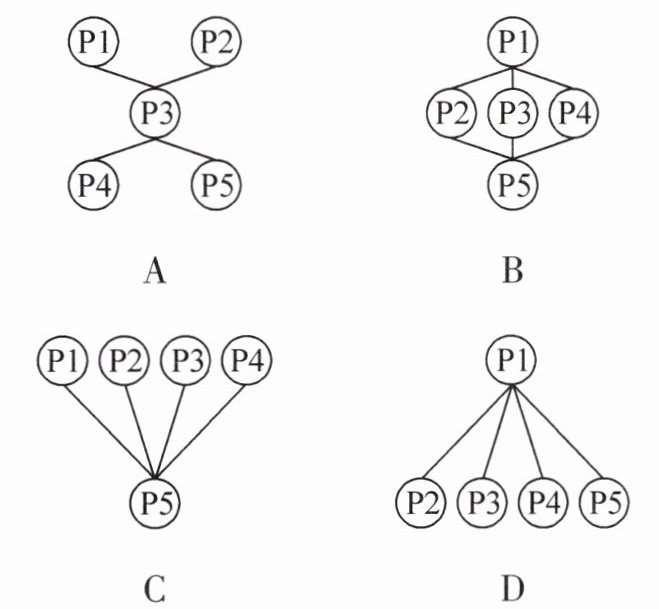
4. What would be the best title for the passage?
B
2. Why does the writer give so many examples in the passage?
D
3. Which of the following is the structure of the passage? (P1= Paragraph 1...)
B
4. What would be the best title for the passage?
D
答案:
1. B 提示:细节理解题。根据第二段中"In China and other Eastern countries, brides often wear red because the colour red means good luck and happiness."可知,在东方国家,红色意味着好运和幸福。2. D 提示:推理判断题。根据第一段中"Most people have a favourite colour, but how people feel about colours depends on their culture."以及后文所举例子可知,作者举了很多例子是为了告诉读者不同的文化对同一种颜色有不同的理解。3. B 提示:篇章结构题。通读全文可知,文章第一段提出论点:大多数人都有自己最喜欢的颜色,但人们对颜色的感觉取决于他们的文化;第二段举例说明不同国家的人在婚礼上穿不同颜色的衣服,第三段举例说明不同国家的人会将葬礼与不同颜色联系在一起,第四段举例说明人们在不同场合会对橙色有不同理解;第五段总结全文,告诉我们在不同的文化中,颜色有不同的含义。由此可知,文章结构为①/②③④/⑤。4. D 提示:最佳标题题。根据第一段中"Most people have a favourite colour, but how people feel about colours depends on their culture."以及后文所举例子可知,本文主要介绍了不同文化背景下颜色的不同含义,故 D 选项"Colours around the world"最适合作文章标题。
查看更多完整答案,请扫码查看

