

 搜索
搜索
五、读一读,判断句子中画线部分的读音是(T)否(F)相同。
( )1. The funny duck swims in the lake.
( )2. The students want to have lunch under the tree.
( )3. The sun is very hot in summer.
( )4. It's sunny. Take this umbrella, please.
( )5. Hurry up! The first class usually begins at eight o'clock.
( )1. The funny duck swims in the lake.
( )2. The students want to have lunch under the tree.
( )3. The sun is very hot in summer.
( )4. It's sunny. Take this umbrella, please.
( )5. Hurry up! The first class usually begins at eight o'clock.
答案:
【解析】:本题主要考查单词中字母的发音,需要根据每个句子中画线部分字母或字母组合的发音来判断是否相同。
1. “funny”中“u”的发音为/ʌ/,“duck”中“u”的发音为/ʌ/,“swims”中“i”的发音为/ɪ/,“lake”中“a”的发音为/eɪ/,画线部分发音不同,答案为F。
2. “students”中“u”的发音为/juː/,“want”中“a”的发音为/ɒ/,“have”中“a”的发音为/æ/,“lunch”中“u”的发音为/ʌ/,画线部分发音不同,答案为F。
3. “sun”中“u”的发音为/ʌ/,“summer”中“u”的发音为/ʌ/,画线部分发音相同,答案为T。
4. “sunny”中“u”的发音为/ʌ/,“umbrella”中“u”的发音为/ʌ/,画线部分发音相同,答案为T。
5. “Hurry”中“u”的发音为/ʌ/,“first”中“ir”的发音为/ɜː/,“usually”中“u”的发音为/juː/,“eight”中“ei”的发音为/eɪ/,画线部分发音不同,答案为F。
【答案】:
(1)F;
(2)F;
(3)T;
(4)T;
(5)F
1. “funny”中“u”的发音为/ʌ/,“duck”中“u”的发音为/ʌ/,“swims”中“i”的发音为/ɪ/,“lake”中“a”的发音为/eɪ/,画线部分发音不同,答案为F。
2. “students”中“u”的发音为/juː/,“want”中“a”的发音为/ɒ/,“have”中“a”的发音为/æ/,“lunch”中“u”的发音为/ʌ/,画线部分发音不同,答案为F。
3. “sun”中“u”的发音为/ʌ/,“summer”中“u”的发音为/ʌ/,画线部分发音相同,答案为T。
4. “sunny”中“u”的发音为/ʌ/,“umbrella”中“u”的发音为/ʌ/,画线部分发音相同,答案为T。
5. “Hurry”中“u”的发音为/ʌ/,“first”中“ir”的发音为/ɜː/,“usually”中“u”的发音为/juː/,“eight”中“ei”的发音为/eɪ/,画线部分发音不同,答案为F。
【答案】:
(1)F;
(2)F;
(3)T;
(4)T;
(5)F
六、用所给单词的适当形式填空。
1. The cat can (climb) the tree.
2. I have a parrot. My brother (have) a parrot, too.
3. The lions have long (body).
4. This is Yang Ling's schoolbag. Give (it) to (she).
5. — Jenny usually her homework after school?
—Yes, she . (do)
1. The cat can (climb) the tree.
2. I have a parrot. My brother (have) a parrot, too.
3. The lions have long (body).
4. This is Yang Ling's schoolbag. Give (it) to (she).
5. — Jenny usually her homework after school?
—Yes, she . (do)
答案:
【解析】:
这道题目是英语词汇变形题,主要考查学生对于英语词汇的正确使用,包括动词的原形、第三人称单数形式,代词的宾格形式等。同时,也考查了学生对于一般现在时态的理解和应用。
1. 第一空需要识别出情态动词can后面应该接动词原形,所以填climb。
2. 第二空考查的是一般现在时态的第三人称单数形式,根据主语my brother是第三人称单数,所以动词have需要变为has。
3. 第三空考查的是名词的复数形式,根据lions是复数,所以body也需要用复数形式bodies。
4. 第四、五空考查的是代词的宾格形式,give后面应该接代词的宾格,所以it保持不变,而to是介词,后面也需要接代词的宾格,所以she需要变为her。
5. 第六、七空既考查了一般现在时态的第三人称单数形式,也考查了一般疑问句及其肯定回答。根据主语Jenny是第三人称单数,所以动词do需要变为does,肯定回答是Yes, she does。
【答案】:
1. climb;
2. has;
3. bodies;
4. it, her;
5. Does, do, does
这道题目是英语词汇变形题,主要考查学生对于英语词汇的正确使用,包括动词的原形、第三人称单数形式,代词的宾格形式等。同时,也考查了学生对于一般现在时态的理解和应用。
1. 第一空需要识别出情态动词can后面应该接动词原形,所以填climb。
2. 第二空考查的是一般现在时态的第三人称单数形式,根据主语my brother是第三人称单数,所以动词have需要变为has。
3. 第三空考查的是名词的复数形式,根据lions是复数,所以body也需要用复数形式bodies。
4. 第四、五空考查的是代词的宾格形式,give后面应该接代词的宾格,所以it保持不变,而to是介词,后面也需要接代词的宾格,所以she需要变为her。
5. 第六、七空既考查了一般现在时态的第三人称单数形式,也考查了一般疑问句及其肯定回答。根据主语Jenny是第三人称单数,所以动词do需要变为does,肯定回答是Yes, she does。
【答案】:
1. climb;
2. has;
3. bodies;
4. it, her;
5. Does, do, does
七、根据情景,选择合适的交际用语(有一项多余)。
A. You know so much about them.
B. Zebras are black and white.
C. They live in Africa(非洲).
D. It's not a horse.
E. Let me show you around.
F. They have four legs and a long tail.
Mike and Bill are at the zoo.
Mike: Can you see a horse over there?
Bill: 1. It's a zebra.
Mike: But it really looks like a horse.
Bill: Yes. 2. They can run fast. But zebras' colours are special (特殊的).
Mike: Oh, I see. 3.
Bill: Yes. 4. We can also see them in zoos around the world (全世界).
Mike: 5.
Bill: Yes. I like reading books about animals.
A. You know so much about them.
B. Zebras are black and white.
C. They live in Africa(非洲).
D. It's not a horse.
E. Let me show you around.
F. They have four legs and a long tail.
Mike and Bill are at the zoo.
Mike: Can you see a horse over there?
Bill: 1. It's a zebra.
Mike: But it really looks like a horse.
Bill: Yes. 2. They can run fast. But zebras' colours are special (特殊的).
Mike: Oh, I see. 3.
Bill: Yes. 4. We can also see them in zoos around the world (全世界).
Mike: 5.
Bill: Yes. I like reading books about animals.
答案:
【解析】:
这是一个根据对话情景选择合适交际用语的问题,需要理解对话内容,并从给定选项中选择最合适的句子填入空白处。对话发生在动物园,Mike和Bill正在讨论看到的动物,特别是斑马和马的区别。
1. 第一个空白处,Bill回应Mike看到的“马”,实际上那是斑马,所以应选择D:“It's not a horse.”(它不是马。)来纠正Mike的误解。
2. 第二个空白处,Bill继续描述斑马,提到它们能跑得很快,接着应该描述斑马的其他特征,所以选择F:“They have four legs and a long tail.”(它们有四条腿和一条长尾巴。)
3. 第三个空白处,Mike表示他明白了,接下来可能会对斑马的颜色进行评论,但选项中并没有直接描述颜色的句子,不过B选项:“Zebras are black and white.”(斑马是黑白相间的。)是对斑马颜色的描述,且根据对话流程,此处Mike可能是在确认或陈述他观察到的斑马颜色,因此B选项合适。但由于它是下一句Bill的回应内容的前置,这里Mike的陈述可以视作对斑马颜色的理解的表达,而B选项作为Bill的确认,故在此逻辑上选择B作为Mike理解的延伸是合理的,实际填写时考虑对话连贯性。
4. 第四个空白处,Bill继续描述斑马,提到我们也能在全世界的动物园看到它们,这之前应该有一个关于斑马生活地点的描述,所以选择C:“They live in Africa.”(它们生活在非洲。)
5. 第五个空白处,Mike对Bill的知识表示赞赏,所以选择A:“You know so much about them.”(你对它们了解这么多。)
【答案】:
1. D;
2. F;
3. B;
4. C;
5. A。
这是一个根据对话情景选择合适交际用语的问题,需要理解对话内容,并从给定选项中选择最合适的句子填入空白处。对话发生在动物园,Mike和Bill正在讨论看到的动物,特别是斑马和马的区别。
1. 第一个空白处,Bill回应Mike看到的“马”,实际上那是斑马,所以应选择D:“It's not a horse.”(它不是马。)来纠正Mike的误解。
2. 第二个空白处,Bill继续描述斑马,提到它们能跑得很快,接着应该描述斑马的其他特征,所以选择F:“They have four legs and a long tail.”(它们有四条腿和一条长尾巴。)
3. 第三个空白处,Mike表示他明白了,接下来可能会对斑马的颜色进行评论,但选项中并没有直接描述颜色的句子,不过B选项:“Zebras are black and white.”(斑马是黑白相间的。)是对斑马颜色的描述,且根据对话流程,此处Mike可能是在确认或陈述他观察到的斑马颜色,因此B选项合适。但由于它是下一句Bill的回应内容的前置,这里Mike的陈述可以视作对斑马颜色的理解的表达,而B选项作为Bill的确认,故在此逻辑上选择B作为Mike理解的延伸是合理的,实际填写时考虑对话连贯性。
4. 第四个空白处,Bill继续描述斑马,提到我们也能在全世界的动物园看到它们,这之前应该有一个关于斑马生活地点的描述,所以选择C:“They live in Africa.”(它们生活在非洲。)
5. 第五个空白处,Mike对Bill的知识表示赞赏,所以选择A:“You know so much about them.”(你对它们了解这么多。)
【答案】:
1. D;
2. F;
3. B;
4. C;
5. A。
八、完形填空。
Animals are our friends. I love animals very much. I have a little 1. Her 2 is Mimi. She's small and cute. She's yellow and white. She doesn't like eating mice (老鼠). But she likes eating 3. She usually plays 4 a ball on my bed and she sleeps under the bed. When I get home after school, she 5 to me happily. When she feels 6, she meows loudly(大声地). Then I will give her some food. Now she's very fat. My parents love Mimi too.
( )1. A. cat B. dog C. duck
( )2. A. body B. name C. room
( )3. A. coffee B. milk C. fish
( )4. A. at B. and C. with
( )5. A. runs B. talks C. flies
( )6. A. cold B. hungry C. thirsty
Animals are our friends. I love animals very much. I have a little 1. Her 2 is Mimi. She's small and cute. She's yellow and white. She doesn't like eating mice (老鼠). But she likes eating 3. She usually plays 4 a ball on my bed and she sleeps under the bed. When I get home after school, she 5 to me happily. When she feels 6, she meows loudly(大声地). Then I will give her some food. Now she's very fat. My parents love Mimi too.
( )1. A. cat B. dog C. duck
( )2. A. body B. name C. room
( )3. A. coffee B. milk C. fish
( )4. A. at B. and C. with
( )5. A. runs B. talks C. flies
( )6. A. cold B. hungry C. thirsty
答案:
【解析】:
这是一道完形填空题,主要考查学生对英语词汇、短语以及上下文理解能力的掌握。题目描述了一个人与他的宠物之间的故事,需要根据上下文选择合适的词汇填入空白处。
1. 第一个空需要填入宠物的种类,根据后文的"Mimi"和"She's yellow and white"等描述,可以推断出这是一个猫的名字,因此选项A"cat"是正确答案。
2. 第二个空需要填入宠物的某个属性或称呼,根据"Mimi"这一名字,可以确定第二个空应该填"name",即选项B。
3. 第三个空需要填入宠物喜欢吃的食物,根据常识和上下文,猫通常喜欢吃鱼,因此选项C"fish"是正确答案。
4. 第四个空需要填入一个介词,描述宠物如何玩球。在这里,"play with"是一个固定短语,表示“和...一起玩”,因此选项C"with"是正确答案。
5. 第五个空需要填入一个动词,描述宠物看到主人回家后的行为。根据常识,猫通常会跑向主人,因此选项A"runs"是正确答案。
6. 第六个空需要填入一个形容词,描述宠物在某种情况下的感觉。根据后文的"Then I will give her some food"可以推断,当猫感到饿时,它会大声叫,因此选项B"hungry"是正确答案。
【答案】:
1. A
2. B
3. C
4. C
5. A
6. B
这是一道完形填空题,主要考查学生对英语词汇、短语以及上下文理解能力的掌握。题目描述了一个人与他的宠物之间的故事,需要根据上下文选择合适的词汇填入空白处。
1. 第一个空需要填入宠物的种类,根据后文的"Mimi"和"She's yellow and white"等描述,可以推断出这是一个猫的名字,因此选项A"cat"是正确答案。
2. 第二个空需要填入宠物的某个属性或称呼,根据"Mimi"这一名字,可以确定第二个空应该填"name",即选项B。
3. 第三个空需要填入宠物喜欢吃的食物,根据常识和上下文,猫通常喜欢吃鱼,因此选项C"fish"是正确答案。
4. 第四个空需要填入一个介词,描述宠物如何玩球。在这里,"play with"是一个固定短语,表示“和...一起玩”,因此选项C"with"是正确答案。
5. 第五个空需要填入一个动词,描述宠物看到主人回家后的行为。根据常识,猫通常会跑向主人,因此选项A"runs"是正确答案。
6. 第六个空需要填入一个形容词,描述宠物在某种情况下的感觉。根据后文的"Then I will give her some food"可以推断,当猫感到饿时,它会大声叫,因此选项B"hungry"是正确答案。
【答案】:
1. A
2. B
3. C
4. C
5. A
6. B
九、阅读材料,判断句子正(T)误(F)。
Welcome to London Zoo.
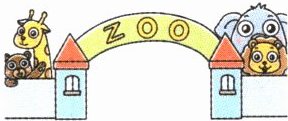
Come and see the kangaroos from Australia and the bald eagles from the US. The pandas from China are waiting for you. The lions from India and the monkeys from Zambia want to meet you too.
Tickets: Grown-up (成人) 3 dollars
Children ≥12 2 dollars
<12 Free (免费)
Opening time: 9:30 a.m. ~4:30 p.m.
(Tuesday to Sunday)
Please keep the zoo clean! Do NOT touch (触摸), give food to or go near the animals.
( )1. The animals in the zoo are from different (不同的) countries.
( )2. You can see the lions from Australia in the zoo.
( )3. Amy is thirteen years old. She wants to see the animals with her parents. They should pay (支付) eight dollars.
( )4. The zoo doesn't open at nine o'clock in the morning.
( )5. You can give some fruit to the animals in the zoo.
Welcome to London Zoo.
Come and see the kangaroos from Australia and the bald eagles from the US. The pandas from China are waiting for you. The lions from India and the monkeys from Zambia want to meet you too.
Tickets: Grown-up (成人) 3 dollars
Children ≥12 2 dollars
<12 Free (免费)
Opening time: 9:30 a.m. ~4:30 p.m.
(Tuesday to Sunday)
Please keep the zoo clean! Do NOT touch (触摸), give food to or go near the animals.
( )1. The animals in the zoo are from different (不同的) countries.
( )2. You can see the lions from Australia in the zoo.
( )3. Amy is thirteen years old. She wants to see the animals with her parents. They should pay (支付) eight dollars.
( )4. The zoo doesn't open at nine o'clock in the morning.
( )5. You can give some fruit to the animals in the zoo.
答案:
【解析】:本题主要考查阅读理解能力以及对文章细节的把握。
1. 题干意思是“动物园里的动物来自不同的国家”。根据文章中“Come and see the kangaroos from Australia and the bald eagles from the US. The pandas from China are waiting for you. The lions from India and the monkeys from Zambia want to meet you too.”可知,动物园里有来自澳大利亚的袋鼠、美国的秃鹰、中国的熊猫、印度的狮子和赞比亚的猴子,这些动物确实来自不同的国家,所以此句正确。
2. 题干意思是“在动物园里你可以看到来自澳大利亚的狮子”。由文中“The lions from India”可知,狮子来自印度,而不是澳大利亚,所以此句错误。
3. 题干意思是“Amy十三岁了,她想和父母一起去看动物,他们应该支付八美元”。根据票价信息“Grown - up (成人) 3 dollars,Children ≥12 2 dollars,<12 Free (免费)”,Amy十三岁,票价2美元,她的父母是成人,每人3美元,总共应该是$2 + 3×2= 8$美元,所以此句正确。
4. 题干意思是“动物园早上九点不开门”。从开放时间“Opening time: 9:30 a.m. ~4:30 p.m.”可知,动物园早上9:30开门,所以早上九点不开门,此句正确。
5. 题干意思是“你可以给动物园里的动物一些水果”。由文中“Please keep the zoo clean! Do NOT touch (触摸), give food to or go near the animals.”可知,不能给动物食物,所以此句错误。
【答案】:1. T;2. F;3. T;4. T;5. F。
1. 题干意思是“动物园里的动物来自不同的国家”。根据文章中“Come and see the kangaroos from Australia and the bald eagles from the US. The pandas from China are waiting for you. The lions from India and the monkeys from Zambia want to meet you too.”可知,动物园里有来自澳大利亚的袋鼠、美国的秃鹰、中国的熊猫、印度的狮子和赞比亚的猴子,这些动物确实来自不同的国家,所以此句正确。
2. 题干意思是“在动物园里你可以看到来自澳大利亚的狮子”。由文中“The lions from India”可知,狮子来自印度,而不是澳大利亚,所以此句错误。
3. 题干意思是“Amy十三岁了,她想和父母一起去看动物,他们应该支付八美元”。根据票价信息“Grown - up (成人) 3 dollars,Children ≥12 2 dollars,<12 Free (免费)”,Amy十三岁,票价2美元,她的父母是成人,每人3美元,总共应该是$2 + 3×2= 8$美元,所以此句正确。
4. 题干意思是“动物园早上九点不开门”。从开放时间“Opening time: 9:30 a.m. ~4:30 p.m.”可知,动物园早上9:30开门,所以早上九点不开门,此句正确。
5. 题干意思是“你可以给动物园里的动物一些水果”。由文中“Please keep the zoo clean! Do NOT touch (触摸), give food to or go near the animals.”可知,不能给动物食物,所以此句错误。
【答案】:1. T;2. F;3. T;4. T;5. F。
查看更多完整答案,请扫码查看

