

 搜索
搜索
第141页
- 第1页
- 第2页
- 第3页
- 第4页
- 第5页
- 第6页
- 第7页
- 第8页
- 第9页
- 第10页
- 第11页
- 第12页
- 第13页
- 第14页
- 第15页
- 第16页
- 第17页
- 第18页
- 第19页
- 第20页
- 第21页
- 第22页
- 第23页
- 第24页
- 第25页
- 第26页
- 第27页
- 第28页
- 第29页
- 第30页
- 第31页
- 第32页
- 第33页
- 第34页
- 第35页
- 第36页
- 第37页
- 第38页
- 第39页
- 第40页
- 第41页
- 第42页
- 第43页
- 第44页
- 第45页
- 第46页
- 第47页
- 第48页
- 第49页
- 第50页
- 第51页
- 第52页
- 第53页
- 第54页
- 第55页
- 第56页
- 第57页
- 第58页
- 第59页
- 第60页
- 第61页
- 第62页
- 第63页
- 第64页
- 第65页
- 第66页
- 第67页
- 第68页
- 第69页
- 第70页
- 第71页
- 第72页
- 第73页
- 第74页
- 第75页
- 第76页
- 第77页
- 第78页
- 第79页
- 第80页
- 第81页
- 第82页
- 第83页
- 第84页
- 第85页
- 第86页
- 第87页
- 第88页
- 第89页
- 第90页
- 第91页
- 第92页
- 第93页
- 第94页
- 第95页
- 第96页
- 第97页
- 第98页
- 第99页
- 第100页
- 第101页
- 第102页
- 第103页
- 第104页
- 第105页
- 第106页
- 第107页
- 第108页
- 第109页
- 第110页
- 第111页
- 第112页
- 第113页
- 第114页
- 第115页
- 第116页
- 第117页
- 第118页
- 第119页
- 第120页
- 第121页
- 第122页
- 第123页
- 第124页
- 第125页
- 第126页
- 第127页
- 第128页
- 第129页
- 第130页
- 第131页
- 第132页
- 第133页
- 第134页
- 第135页
- 第136页
- 第137页
- 第138页
- 第139页
- 第140页
- 第141页
- 第142页
- 第143页
- 第144页
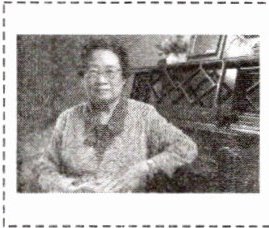
I feel more rewarded when I see so many cured patients.
对我而言,更大的奖励是看到许多人痊愈。
Every year, malaria(疟疾) takes thousands of lives around the world, especially (尤其) in Africa. But a Chinese scientist named Tu Youyou found a way to fight this disease. She uses a common plant in China. It is sweet wormwood(青蒿).
In 1969, many people in China had malaria. Tu, an expert (专家) in Chinese medicine, had to find a way to stop it. But her medical equipment(医疗设备) was not good enough. Sometimes she had to test medicines by trying them herself! Over the years, she tested over 2,000 prescriptions(药方).
One day, when Tu was reading an old Chinese medicine book, she found a new plant—sweet wormwood. She began to make extracts(提取物) from it. In 1971, after more than 190 failures(失败), Tu finally found an extract that was 100-percent effective (有效的) against malaria!
Soon, people around the world began to use the new drug. The drug is not only effective but also cheap. People in poor countries can be cured(被治愈). From 2000 to 2015, the drug saved over 6,200,000 lives.
In 2015, Tu won the Nobel Prize in Physiology or Medicine(诺贝尔生理学或医学奖). She was the first native (本土的) Chinese scientist to win this prize.
根据所阅读的内容,完成下面的表格。
根据所阅读的内容,判断正误(True or False),正确的写“T”,错误的写“F”。
(
T
)1. Tu Youyou found a way to fight malaria.(
F
)2. Right now many people in China still die of malaria.(
T
)3. Tu Youyou had to test medicines by trying them herself.(
F
)4. In 1969, Tu Youyou finally found an extract that was effective against malaria.(
T
)5. Finally, Tu Youyou won the Nobel Prize in Physiology or Medicine.
答案:
1—5 TFTFT
查看更多完整答案,请扫码查看

