

 搜索
搜索
第14页
- 第1页
- 第2页
- 第3页
- 第4页
- 第5页
- 第6页
- 第7页
- 第8页
- 第9页
- 第10页
- 第11页
- 第12页
- 第13页
- 第14页
- 第15页
- 第16页
- 第17页
- 第18页
- 第19页
- 第20页
- 第21页
- 第22页
- 第23页
- 第24页
- 第25页
- 第26页
- 第27页
- 第28页
- 第29页
- 第30页
- 第31页
- 第32页
- 第33页
- 第34页
- 第35页
- 第36页
- 第37页
- 第38页
- 第39页
- 第40页
- 第41页
- 第42页
- 第43页
- 第44页
- 第45页
- 第46页
- 第47页
- 第48页
- 第49页
- 第50页
- 第51页
- 第52页
- 第53页
- 第54页
- 第55页
- 第56页
- 第57页
- 第58页
- 第59页
- 第60页
- 第61页
- 第62页
- 第63页
- 第64页
- 第65页
- 第66页
- 第67页
- 第68页
- 第69页
- 第70页
- 第71页
- 第72页
- 第73页
- 第74页
- 第75页
- 第76页
- 第77页
- 第78页
- 第79页
- 第80页
- 第81页
- 第82页
- 第83页
- 第84页
- 第85页
- 第86页
- 第87页
- 第88页
- 第89页
- 第90页
- 第91页
- 第92页
(A)根据首字母及汉语提示填写单词。
1. My dad has been to the USA on b (生意) many times.
2. C (交流) with different people in different fields is a skill as well.
3. How to protect the e (环境) has been under discussion.
4. All the students went to the park e (除了) Tom and me.
5. I've never seen such a t (极小的) butterfly before.
1. My dad has been to the USA on b (生意) many times.
2. C (交流) with different people in different fields is a skill as well.
3. How to protect the e (环境) has been under discussion.
4. All the students went to the park e (除了) Tom and me.
5. I've never seen such a t (极小的) butterfly before.
答案:
1. business 2. Communicating 3. environment 4. except 5. tiny
(B)用所给单词的适当形式填空。
6. Never leave the tap (run) all the time while brushing teeth.
7. Millie wants to be a teacher because she likes to work (close) with children.
8. The new building in the town center is built after a (Europe) model.
9. Jack (write) an email to his friend the day before yesterday.
10. As far as we know, a camel has two (stomach).
6. Never leave the tap (run) all the time while brushing teeth.
7. Millie wants to be a teacher because she likes to work (close) with children.
8. The new building in the town center is built after a (Europe) model.
9. Jack (write) an email to his friend the day before yesterday.
10. As far as we know, a camel has two (stomach).
答案:
6. running 7. closely 8. European 9. wrote 10. stomachs
Ⅱ. 阅读理解
Have you ever seen lions dancing in the streets? The lions dance to the beat of a drum(鼓). Of course, they are not real lions. They are dancers in lion costumes(服饰). Lion dancing first started in China centuries ago. It is meant to bring good luck in the coming year.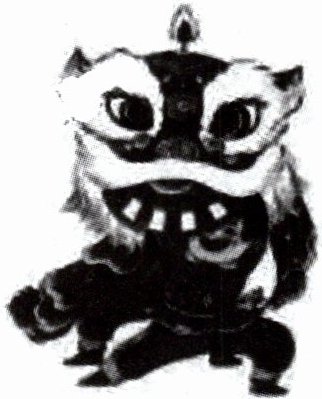
Usually, a lion is made up of two dancers. One dancer controls the head. The other controls the tail.
"I think of it as a sport," says Anthony Huang, aged 16. He is a member of the New York Chinese Freemasons Athletic Club. Anthony performs(表演) as the lion's head. It can weigh 20 pounds. Lion dancing is important to Anthony. "This tradition really lifts me up," he says.
In the past, lion dancing was performed mostly by men. But it is different today. LionDanceMe is a lion dancing group in San Francisco, California. There are boys and girls on its team. They dance together.
"Anyone can take up lion dancing. You have to believe that you can do it," says Ananda Tang-Lee, a 17-year-old girl.
Lion dancing will continue to evolve. But a team's sense of community will never change. "We call it a family," Ananda says. "It's really great, because we always have each other's backs."
1. Why do people perform lion dancing?
A. To sell lion-dancing costumes.
B. To wish for a lucky new year.
C. To protect the lions in the wild.
D. To show skills of playing the drum.
2. Which role does Anthony play in lion dancing?
A. The lion's head.
B. The lion's tail.
C. The drummer.
D. The dresser.
3. What does the underlined word "evolve" mean?
A. 延期
B. 模仿
C. 举办
D. 演变
4. What can we infer(推断) from Ananda's words "We call it a family"?
A. They bring happiness to the family.
B. They call lion dancing a family game.
C. They live together in a big family.
D. They support each other like a family.
Have you ever seen lions dancing in the streets? The lions dance to the beat of a drum(鼓). Of course, they are not real lions. They are dancers in lion costumes(服饰). Lion dancing first started in China centuries ago. It is meant to bring good luck in the coming year.
Usually, a lion is made up of two dancers. One dancer controls the head. The other controls the tail.
"I think of it as a sport," says Anthony Huang, aged 16. He is a member of the New York Chinese Freemasons Athletic Club. Anthony performs(表演) as the lion's head. It can weigh 20 pounds. Lion dancing is important to Anthony. "This tradition really lifts me up," he says.
In the past, lion dancing was performed mostly by men. But it is different today. LionDanceMe is a lion dancing group in San Francisco, California. There are boys and girls on its team. They dance together.
"Anyone can take up lion dancing. You have to believe that you can do it," says Ananda Tang-Lee, a 17-year-old girl.
Lion dancing will continue to evolve. But a team's sense of community will never change. "We call it a family," Ananda says. "It's really great, because we always have each other's backs."
1. Why do people perform lion dancing?
A. To sell lion-dancing costumes.
B. To wish for a lucky new year.
C. To protect the lions in the wild.
D. To show skills of playing the drum.
2. Which role does Anthony play in lion dancing?
A. The lion's head.
B. The lion's tail.
C. The drummer.
D. The dresser.
3. What does the underlined word "evolve" mean?
A. 延期
B. 模仿
C. 举办
D. 演变
4. What can we infer(推断) from Ananda's words "We call it a family"?
A. They bring happiness to the family.
B. They call lion dancing a family game.
C. They live together in a big family.
D. They support each other like a family.
答案:
1-4 BADD
查看更多完整答案,请扫码查看

