

 搜索
搜索
第83页
- 第1页
- 第2页
- 第3页
- 第4页
- 第5页
- 第6页
- 第7页
- 第8页
- 第9页
- 第10页
- 第11页
- 第12页
- 第13页
- 第14页
- 第15页
- 第16页
- 第17页
- 第18页
- 第19页
- 第20页
- 第21页
- 第22页
- 第23页
- 第24页
- 第25页
- 第26页
- 第27页
- 第28页
- 第29页
- 第30页
- 第31页
- 第32页
- 第33页
- 第34页
- 第35页
- 第36页
- 第37页
- 第38页
- 第39页
- 第40页
- 第41页
- 第42页
- 第43页
- 第44页
- 第45页
- 第46页
- 第47页
- 第48页
- 第49页
- 第50页
- 第51页
- 第52页
- 第53页
- 第54页
- 第55页
- 第56页
- 第57页
- 第58页
- 第59页
- 第60页
- 第61页
- 第62页
- 第63页
- 第64页
- 第65页
- 第66页
- 第67页
- 第68页
- 第69页
- 第70页
- 第71页
- 第72页
- 第73页
- 第74页
- 第75页
- 第76页
- 第77页
- 第78页
- 第79页
- 第80页
- 第81页
- 第82页
- 第83页
- 第84页
- 第85页
- 第86页
- 第87页
On the Tower at Youzhou
Where are the great men of the past?
And where are those of future years?
The sky and earth forever last;
Here and now I alone shed(流) tears.
Traveling not only opens our eyes but also gives us a chance to think and express our feelings. On the Tower at Youzhou, written by Chen Zi'ang(661 - 702) in the Tang Dynasty, is a great example.
Chen wrote this poem in 696. At that time, he was upset in his army career under the rule of Empress(皇后) Wu Zetian, one of the most famous female rulers in the history of China. Chen climbed to the top of Youzhou Tower and was amazed by the view of the earth and sky. He couldn’t help wondering where the great men of the past and future are, and then he created this poem.
Compared with the universe, the poet felt that people are small and unimportant. What lasts forever is the earth and sky. That is to say, nobody can be free from death. Even so, Chen still wanted to serve his country and people in his short life. But the rulers didn't see his talents, so Chen felt sad and shed tears alone.
With the sincere feelings that fit the setting, Chen created a moving and sad scene in the poem. It is sad but not disappointing. His language is simple but still carries deep meaning. That's why the poem is still popular now.
25. What is the rhyme in the poem? ______
A. Men and past.
B. Sky and earth.
C. Here and now.
D. Years and tears.
26. Which is not the benefit(益处) of traveling according to the passage? ______
A. Traveling shows us the world.
B. Traveling makes us think.
C. We can relax ourselves.
D. We can tell our feelings.
27. What do we know about the poet? ______
A. He wrote the poem at the top of Youzhou Tower.
B. He is the ruler of the Tang Dynasty.
C. Wu Zetian saw his talent at that moment.
D. His poem On the Tower at Youzhou is not well - known.
28. Why did the poet cry alone? ______
A. He had a short life.
B. He couldn't fight for his country.
C. He was not one of the great men of the past.
D. He was not in a happy family.
29. What might the underlined word “sincere” mean in the last paragraph? ______
A. strange
B. lively
C. true
D. complete
Where are the great men of the past?
And where are those of future years?
The sky and earth forever last;
Here and now I alone shed(流) tears.
Traveling not only opens our eyes but also gives us a chance to think and express our feelings. On the Tower at Youzhou, written by Chen Zi'ang(661 - 702) in the Tang Dynasty, is a great example.
Chen wrote this poem in 696. At that time, he was upset in his army career under the rule of Empress(皇后) Wu Zetian, one of the most famous female rulers in the history of China. Chen climbed to the top of Youzhou Tower and was amazed by the view of the earth and sky. He couldn’t help wondering where the great men of the past and future are, and then he created this poem.
Compared with the universe, the poet felt that people are small and unimportant. What lasts forever is the earth and sky. That is to say, nobody can be free from death. Even so, Chen still wanted to serve his country and people in his short life. But the rulers didn't see his talents, so Chen felt sad and shed tears alone.
With the sincere feelings that fit the setting, Chen created a moving and sad scene in the poem. It is sad but not disappointing. His language is simple but still carries deep meaning. That's why the poem is still popular now.
25. What is the rhyme in the poem? ______
A. Men and past.
B. Sky and earth.
C. Here and now.
D. Years and tears.
26. Which is not the benefit(益处) of traveling according to the passage? ______
A. Traveling shows us the world.
B. Traveling makes us think.
C. We can relax ourselves.
D. We can tell our feelings.
27. What do we know about the poet? ______
A. He wrote the poem at the top of Youzhou Tower.
B. He is the ruler of the Tang Dynasty.
C. Wu Zetian saw his talent at that moment.
D. His poem On the Tower at Youzhou is not well - known.
28. Why did the poet cry alone? ______
A. He had a short life.
B. He couldn't fight for his country.
C. He was not one of the great men of the past.
D. He was not in a happy family.
29. What might the underlined word “sincere” mean in the last paragraph? ______
A. strange
B. lively
C. true
D. complete
答案:
25.D解析:推理判断题。根据第二句和第四句句末均为ear可知,这首诗押韵在years和tears。
26.C解析:细节理解题。根据“Traveling not only...”一句可知,旅行可以让我们更好地了解世界,深度思索和表达情感。
27.A解析:细节理解题。根据“Chen climbed to...”一句可知,陈子昂登上幽州台顶,写下了这首诗。
28.B解析:细节理解题。根据“But the rulers...”一句可知,陈子昂空有报国之志,但没有得到重用,没有机会为国效力,故选B。
29.C解析:词义猜测题。根据“Chen felt sad...”和“With the sincere feelings...”两句可知,诗人内心悲伤,写出的诗歌也是非常悲伤,故这是作者的真情流露,是最真实的情感。
26.C解析:细节理解题。根据“Traveling not only...”一句可知,旅行可以让我们更好地了解世界,深度思索和表达情感。
27.A解析:细节理解题。根据“Chen climbed to...”一句可知,陈子昂登上幽州台顶,写下了这首诗。
28.B解析:细节理解题。根据“But the rulers...”一句可知,陈子昂空有报国之志,但没有得到重用,没有机会为国效力,故选B。
29.C解析:词义猜测题。根据“Chen felt sad...”和“With the sincere feelings...”两句可知,诗人内心悲伤,写出的诗歌也是非常悲伤,故这是作者的真情流露,是最真实的情感。
Yao - Chinese Folktales(《中国奇谭》) is a recent hot topic for many young people in China. With eight 20 - minute short stories, the cartoon came out on Bilibili in January. Each story tells a Chinese monster, or yao.
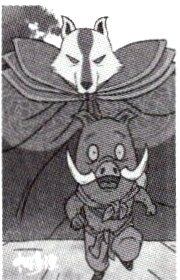
Yao are spirits that animals, plants and non - living things turn into. People are afraid of yao because of their fear of the unknown world. In many people’s minds, yao usually look horrible and do bad things. But in this cartoon, things are different. In the stories, yao are lovely, fun and mysterious. They have their own lives just like humans.
The cartoon won many people's hearts. It shows a different side of Chinese yao culture. “Most yao in China's old stories are warm, kind and friendly,” said Zhang Yun, who wrote a book about China’s 1,080 kinds of yao. This cartoon tells people the true spirit of yao in Chinese culture.
Besides traditional Chinese art styles, the cartoon also shows modern designs. The team used modern technologies such as computer graphic. They also made the stories closer to modern people's lives. For example, the story of Nobody(《小妖怪的夏天》) sets its eyes on a little pig's spirit. His sad life makes people think of themselves as ordinary workers.
阅读短文,并回答下面问题。
30. How many stories are there in Yao - Chinese Folktales?
______________________________
31. When did the cartoon come out?
______________________________
32. What are yao?
______________________________
33. Why are people afraid of yao?
______________________________
34. What does the little pig in Nobody remind people of?
______________________________
Yao are spirits that animals, plants and non - living things turn into. People are afraid of yao because of their fear of the unknown world. In many people’s minds, yao usually look horrible and do bad things. But in this cartoon, things are different. In the stories, yao are lovely, fun and mysterious. They have their own lives just like humans.
The cartoon won many people's hearts. It shows a different side of Chinese yao culture. “Most yao in China's old stories are warm, kind and friendly,” said Zhang Yun, who wrote a book about China’s 1,080 kinds of yao. This cartoon tells people the true spirit of yao in Chinese culture.
Besides traditional Chinese art styles, the cartoon also shows modern designs. The team used modern technologies such as computer graphic. They also made the stories closer to modern people's lives. For example, the story of Nobody(《小妖怪的夏天》) sets its eyes on a little pig's spirit. His sad life makes people think of themselves as ordinary workers.
阅读短文,并回答下面问题。
30. How many stories are there in Yao - Chinese Folktales?
______________________________
31. When did the cartoon come out?
______________________________
32. What are yao?
______________________________
33. Why are people afraid of yao?
______________________________
34. What does the little pig in Nobody remind people of?
______________________________
答案:
30.Eight.解析:根据第一段中“With eight 20 - minute short stories, the cartoon came out on Bilibili in January.”可知,《中国奇谭》里有8个故事。
31.In January.解析:根据第一段中“the cartoon came out on Bilibili in January”可知,《中国奇谭》出现在一月份。
32.Yao are spirits that animals, plants and non - living things turn into.解析:根据第二段中“Yao are spirits that animals, plants and non - living things turn into.”可知,妖是动物、植物和没有生命的东西变成的灵魂。
33.Because of their fear of the unknown world.解析:根据第二段中“People are afraid of yao because of their fear of the unknown world.”可知,人们害怕妖是因为对未知世界的恐惧。
34.Ordinary workers.解析:根据第四段中“His sad life makes people think of themselves as ordinary workers.”可知,《小妖怪的夏天》里的小猪使人们想到了普通的劳动者。
31.In January.解析:根据第一段中“the cartoon came out on Bilibili in January”可知,《中国奇谭》出现在一月份。
32.Yao are spirits that animals, plants and non - living things turn into.解析:根据第二段中“Yao are spirits that animals, plants and non - living things turn into.”可知,妖是动物、植物和没有生命的东西变成的灵魂。
33.Because of their fear of the unknown world.解析:根据第二段中“People are afraid of yao because of their fear of the unknown world.”可知,人们害怕妖是因为对未知世界的恐惧。
34.Ordinary workers.解析:根据第四段中“His sad life makes people think of themselves as ordinary workers.”可知,《小妖怪的夏天》里的小猪使人们想到了普通的劳动者。
查看更多完整答案,请扫码查看

