

 搜索
搜索
第23页
- 第2页
- 第3页
- 第4页
- 第5页
- 第6页
- 第7页
- 第8页
- 第9页
- 第10页
- 第11页
- 第12页
- 第13页
- 第14页
- 第15页
- 第16页
- 第17页
- 第18页
- 第19页
- 第20页
- 第21页
- 第22页
- 第23页
- 第24页
- 第25页
- 第26页
- 第27页
- 第28页
- 第29页
- 第30页
- 第31页
- 第32页
- 第33页
- 第34页
- 第35页
- 第36页
- 第37页
- 第38页
- 第39页
- 第40页
- 第41页
- 第42页
- 第43页
- 第44页
- 第45页
- 第46页
- 第47页
- 第48页
- 第49页
- 第50页
- 第51页
- 第52页
- 第53页
- 第54页
- 第55页
- 第56页
- 第57页
- 第58页
- 第59页
- 第60页
- 第61页
- 第62页
- 第63页
- 第64页
- 第65页
- 第66页
- 第67页
- 第68页
- 第69页
- 第70页
- 第71页
- 第72页
- 第73页
- 第74页
- 第75页
- 第76页
- 第77页
- 第78页
- 第79页
- 第80页
- 第81页
- 第82页
- 第83页
- 第84页
- 第85页
- 第86页
- 第87页
- 第88页
- 第89页
- 第90页
- 第91页
- 第92页
- 第93页
- 第94页
- 第95页
- 第96页
- 第97页
- 第98页
- 第99页
- 第100页
- 第101页
- 第102页
- 第103页
- 第104页
- 第105页
- 第106页
- 第107页
- 第108页
- 第109页
- 第110页
- 第111页
- 第112页
- 第113页
- 第114页
- 第115页
- 第116页
- 第117页
- 第118页
- 第119页
- 第120页
Scientists have developed a way to read minds,translating unspoken thoughts into written words. It's the first time it's been done without having to put anything into the brain. They used artificial intelligence(AI,人工智能). It is the name given to a computer system that is able to “think” for itself and carry out tasks that usually require human intelligence.
Scientists used a special scanner(扫描器). The machine can see where blood runs,which shows the parts of the brain that are most active. People taking part in the experiment(实验)listened to the radio for 16 hours as their brains were scanned. The AI tool learned to connect certain brain activity with words they heard. After that,each person was asked to think of a story,and the AI tool managed to pick up these thoughts as they happened.
The results had about a 50% accuracy rate(准确率),although the AI found it hard to work out the meaning of pronouns,such as “he” or “she”,“her” or “him”. For example,it turned “I don't have my driver's license yet.” into “She has not even started to learn to drive yet.” It could usually understand the meaning of what someone was thinking rather than the exact words. The AI was personalized,so when it had learnt from one person but was tested on another,it couldn't understand their thoughts.
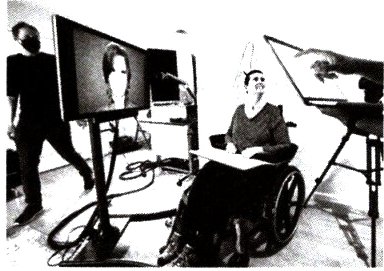
The scientists,who have been working on the technology for 15 years,say they understand the risks of it being used badly. Scientist Jerry Tang told a newspaper,“We want to make sure people only use these types of technologies when they want to,and that it helps them.” The scientists hope it will help people with certain medical conditions,who are still awake but have lost the ability to speak,to communicate once again.
( )1. What does the underlined word “It” in Paragraph 1 refer to(指代)?
A. A way. B. Anything. C. The brain. D. AI.
( )2. What is the main purpose of Paragraph 2?
A. To explain the results of the experiment.
B. To list the difficulties of the experiment.
C. To offer some opinions about the experiment.
D. To describe how the experiment was carried out.
( )3. What does the example in Paragraph 3 show?
A. The AI is much cleverer than people.
B. The AI didn't start the work as it was ordered.
C. The AI couldn't understand the exact words of what people thought.
D. The AI will be well developed according to people's special needs.
( )4. What can we learn from the text?
A. It is not difficult to take AI under control.
B. AI will not be used in a proper way in the future.
C. AI is so wise that it can treat people with medical problems.
D. It's expected that AI will help those speechless exchange ideas.
( )5. What can be the best title for the text?
A. High Risks of Using AI. B. Mind-Reading Development.
C. Importance of Human Brain. D. Ways of Improving Technology.
Scientists used a special scanner(扫描器). The machine can see where blood runs,which shows the parts of the brain that are most active. People taking part in the experiment(实验)listened to the radio for 16 hours as their brains were scanned. The AI tool learned to connect certain brain activity with words they heard. After that,each person was asked to think of a story,and the AI tool managed to pick up these thoughts as they happened.
The results had about a 50% accuracy rate(准确率),although the AI found it hard to work out the meaning of pronouns,such as “he” or “she”,“her” or “him”. For example,it turned “I don't have my driver's license yet.” into “She has not even started to learn to drive yet.” It could usually understand the meaning of what someone was thinking rather than the exact words. The AI was personalized,so when it had learnt from one person but was tested on another,it couldn't understand their thoughts.
The scientists,who have been working on the technology for 15 years,say they understand the risks of it being used badly. Scientist Jerry Tang told a newspaper,“We want to make sure people only use these types of technologies when they want to,and that it helps them.” The scientists hope it will help people with certain medical conditions,who are still awake but have lost the ability to speak,to communicate once again.
( )1. What does the underlined word “It” in Paragraph 1 refer to(指代)?
A. A way. B. Anything. C. The brain. D. AI.
( )2. What is the main purpose of Paragraph 2?
A. To explain the results of the experiment.
B. To list the difficulties of the experiment.
C. To offer some opinions about the experiment.
D. To describe how the experiment was carried out.
( )3. What does the example in Paragraph 3 show?
A. The AI is much cleverer than people.
B. The AI didn't start the work as it was ordered.
C. The AI couldn't understand the exact words of what people thought.
D. The AI will be well developed according to people's special needs.
( )4. What can we learn from the text?
A. It is not difficult to take AI under control.
B. AI will not be used in a proper way in the future.
C. AI is so wise that it can treat people with medical problems.
D. It's expected that AI will help those speechless exchange ideas.
( )5. What can be the best title for the text?
A. High Risks of Using AI. B. Mind-Reading Development.
C. Importance of Human Brain. D. Ways of Improving Technology.
答案:
1-5 DDCDB
查看更多完整答案,请扫码查看

