

 搜索
搜索
第72页
- 第1页
- 第2页
- 第3页
- 第4页
- 第5页
- 第6页
- 第7页
- 第8页
- 第9页
- 第10页
- 第11页
- 第12页
- 第13页
- 第14页
- 第15页
- 第16页
- 第17页
- 第18页
- 第19页
- 第20页
- 第21页
- 第22页
- 第23页
- 第24页
- 第25页
- 第26页
- 第27页
- 第28页
- 第29页
- 第30页
- 第31页
- 第32页
- 第33页
- 第34页
- 第35页
- 第36页
- 第37页
- 第38页
- 第39页
- 第40页
- 第41页
- 第42页
- 第43页
- 第44页
- 第45页
- 第46页
- 第47页
- 第48页
- 第49页
- 第50页
- 第51页
- 第52页
- 第53页
- 第54页
- 第55页
- 第56页
- 第57页
- 第58页
- 第59页
- 第60页
- 第61页
- 第62页
- 第63页
- 第64页
- 第65页
- 第66页
- 第67页
- 第68页
- 第69页
- 第70页
- 第71页
- 第72页
- 第73页
- 第74页
- 第75页
- 第76页
- 第77页
- 第78页
- 第79页
- 第80页
- 第81页
- 第82页
- 第83页
- 第84页
- 第85页
- 第86页
- 第87页
- 第88页
- 第89页
- 第90页
- 第91页
- 第92页
- 第93页
- 第94页
- 第95页
- 第96页
- 第97页
- 第98页
- 第99页
- 第100页
- 第101页
- 第102页
- 第103页
- 第104页
- 第105页
- 第106页
- 第107页
- 第108页
- 第109页
- 第110页
- 第111页
- 第112页
- 第113页
- 第114页
- 第115页
- 第116页
- 第117页
- 第118页
- 第119页
- 第120页
- 第121页
- 第122页
- 第123页
- 第124页
- 第125页
- 第126页
- 第127页
- 第128页
- 第129页
- 第130页
- 第131页
- 第132页
- 第133页
- 第134页
- 第135页
- 第136页
- 第137页
- 第138页
- 第139页
- 第140页
- 第141页
- 第142页
- 第143页
- 第144页
一、阅读短文,判断正(T)误(F)。
(一)
This is a street crossing. There are red and green lights at each corner(角落). Drivers must watch the lights carefully.
When there is a green light, the cars may go on. When there is a red light, the cars must stop. They must wait until(到……为止) the red light changes to green. Then they can go on. Sometimes the cars want to make a right turn or a left turn. Sometimes they can make a right turn when the light is green or red. But they must wait until the green light is shining if they want to turn left.
Some people are colourblind(色盲). They cannot see the difference between red and green. These people must not drive, or there will be an accident. We must keep our street safe.
( )1. Drivers must only watch the red light at each corner of the street crossing.
( )2. Sometimes the drivers can make a right turn when the light is red.
( )3. No one should drive at the green light.
( )4. The colourblind people can see the difference between red and green.
( )5. We must follow the traffic rules.
(二)
When we travel, we must pay attention to(注意) the road signs. They can help us find the right directions(方向). If you don't do as the signs tell you, you may be a “fool”. Here is a story about this.
Mr Black was travelling in his car. He saw a road sign with these words: “NO FURTHER(前进). GO ANOTHER WAY”. He looked ahead(前方) and saw nothing wrong at all. So he went on, thinking the sign was a kind of joke(玩笑).
After a while, Mr Black saw a broken bridge(断桥) and he had to turn back. On his way back, he saw some words on the back of the sign, saying “WELCOME BACK, FOOLS”.
( )1. From the passage we know we should pay attention to the broken bridges.
( )2. Mr Black saw this sign on his way.
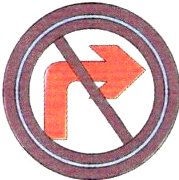
( )3. Mr Black wanted to see the broken bridge, so he went on driving.
( )4. “WELCOME BACK, FOOLS” means the first sign is a kind of joke.
( )5. This story is mainly(主要) about why road signs are important to people.
(一)
This is a street crossing. There are red and green lights at each corner(角落). Drivers must watch the lights carefully.
When there is a green light, the cars may go on. When there is a red light, the cars must stop. They must wait until(到……为止) the red light changes to green. Then they can go on. Sometimes the cars want to make a right turn or a left turn. Sometimes they can make a right turn when the light is green or red. But they must wait until the green light is shining if they want to turn left.
Some people are colourblind(色盲). They cannot see the difference between red and green. These people must not drive, or there will be an accident. We must keep our street safe.
( )1. Drivers must only watch the red light at each corner of the street crossing.
( )2. Sometimes the drivers can make a right turn when the light is red.
( )3. No one should drive at the green light.
( )4. The colourblind people can see the difference between red and green.
( )5. We must follow the traffic rules.
(二)
When we travel, we must pay attention to(注意) the road signs. They can help us find the right directions(方向). If you don't do as the signs tell you, you may be a “fool”. Here is a story about this.
Mr Black was travelling in his car. He saw a road sign with these words: “NO FURTHER(前进). GO ANOTHER WAY”. He looked ahead(前方) and saw nothing wrong at all. So he went on, thinking the sign was a kind of joke(玩笑).
After a while, Mr Black saw a broken bridge(断桥) and he had to turn back. On his way back, he saw some words on the back of the sign, saying “WELCOME BACK, FOOLS”.
( )1. From the passage we know we should pay attention to the broken bridges.
( )2. Mr Black saw this sign on his way.
( )3. Mr Black wanted to see the broken bridge, so he went on driving.
( )4. “WELCOME BACK, FOOLS” means the first sign is a kind of joke.
( )5. This story is mainly(主要) about why road signs are important to people.
答案:
一、(一)1~5 F T F F T
1. 根据文章第一段最后一句可知,司机必须注意看所有的灯,不仅仅是红灯,故本题错误。
2. 根据文章第二段倒数第二句可知,有时可以在红灯时右转,故本题正确。
3. 根据第二段第一句可知,绿灯可通行,故本题错误。
4. 根据第三段第一句和第二句可知,色盲不能区分红色和绿色,故本题错误。
5. 通读全文可知,本文主要讲述道路安全,因此“我们”必须遵守交通规则,故本题正确。
(二)1~5 F F F F T
一、(一)1~5 F T F F T
1. 根据文章第一段最后一句可知,司机必须注意看所有的灯,不仅仅是红灯,故本题错误。
2. 根据文章第二段倒数第二句可知,有时可以在红灯时右转,故本题正确。
3. 根据第二段第一句可知,绿灯可通行,故本题错误。
4. 根据第三段第一句和第二句可知,色盲不能区分红色和绿色,故本题错误。
5. 通读全文可知,本文主要讲述道路安全,因此“我们”必须遵守交通规则,故本题正确。
(二)1~5 F F F F T
二、根据文章内容,回答问题。
How do you go to school? Do you take a bus or ride a bike? For many students, it's easy to get to school. But for some children in one small village in Hunan, it is very difficult. There is no road between the village and the school. The children have to climb down ladders(梯子) to get to school.
Yu Xinxin is an 8 - year - old girl. She climbs the ladders every day. “My parents are good at it and they tell me how to do it, and now I don't think too much about how high it is,” she says.
It is hard for the villagers to get in and out of the village too. Their dream is to have a road.
1. Is it easy or difficult for many children to get to school?
______________________________
2. What's the difficult thing for the children in the small village in Hunan to go to school?
______________________________
3. 新考法 开放式谈观点 What do you think of Yu Xinxin?
______________________________
How do you go to school? Do you take a bus or ride a bike? For many students, it's easy to get to school. But for some children in one small village in Hunan, it is very difficult. There is no road between the village and the school. The children have to climb down ladders(梯子) to get to school.
Yu Xinxin is an 8 - year - old girl. She climbs the ladders every day. “My parents are good at it and they tell me how to do it, and now I don't think too much about how high it is,” she says.
It is hard for the villagers to get in and out of the village too. Their dream is to have a road.
1. Is it easy or difficult for many children to get to school?
______________________________
2. What's the difficult thing for the children in the small village in Hunan to go to school?
______________________________
3. 新考法 开放式谈观点 What do you think of Yu Xinxin?
______________________________
答案:
二、1. It's easy for many children to go to school.
2. There's no road between the village and the school. The children have to climb down ladders to get to school.
3. She is a brave(勇敢的) girl and she loves studying.(答案不唯一)
1. 由短文第一段第三句“For many students, it's easy to get to school.”可知,对于许多孩子来说到达学校并不困难。
2. 由短文第一段后半部分可知,对于这些孩子来说上学最大的困难就是村庄与学校间没有路,他们不得不爬梯子去上学。
3. 答案合理即可。
2. There's no road between the village and the school. The children have to climb down ladders to get to school.
3. She is a brave(勇敢的) girl and she loves studying.(答案不唯一)
1. 由短文第一段第三句“For many students, it's easy to get to school.”可知,对于许多孩子来说到达学校并不困难。
2. 由短文第一段后半部分可知,对于这些孩子来说上学最大的困难就是村庄与学校间没有路,他们不得不爬梯子去上学。
3. 答案合理即可。
查看更多完整答案,请扫码查看

