

 搜索
搜索
第65页
- 第1页
- 第2页
- 第3页
- 第4页
- 第5页
- 第6页
- 第7页
- 第8页
- 第9页
- 第10页
- 第11页
- 第12页
- 第13页
- 第14页
- 第15页
- 第16页
- 第17页
- 第18页
- 第19页
- 第20页
- 第21页
- 第22页
- 第23页
- 第24页
- 第25页
- 第26页
- 第27页
- 第28页
- 第29页
- 第30页
- 第31页
- 第32页
- 第33页
- 第34页
- 第35页
- 第36页
- 第37页
- 第38页
- 第39页
- 第40页
- 第41页
- 第42页
- 第43页
- 第44页
- 第45页
- 第46页
- 第47页
- 第48页
- 第49页
- 第50页
- 第51页
- 第52页
- 第53页
- 第54页
- 第55页
- 第56页
- 第57页
- 第58页
- 第59页
- 第60页
- 第61页
- 第62页
- 第63页
- 第64页
- 第65页
- 第66页
- 第67页
- 第68页
- 第69页
- 第70页
- 第71页
- 第72页
- 第73页
- 第74页
- 第75页
- 第76页
- 第77页
- 第78页
- 第79页
- 第80页
- 第81页
- 第82页
- 第83页
- 第84页
- 第85页
- 第86页
- 第87页
- 第88页
- 第89页
- 第90页
- 第91页
- 第92页
- 第93页
- 第94页
- 第95页
- 第96页
- 第97页
- 第98页
- 第99页
- 第100页
- 第101页
- 第102页
- 第103页
- 第104页
- 第105页
- 第106页
- 第107页
- 第108页
- 第109页
- 第110页
- 第111页
- 第112页
- 第113页
- 第114页
- 第115页
- 第116页
- 第117页
- 第118页
- 第119页
- 第120页
- 第121页
- 第122页
- 第123页
- 第124页
- 第125页
- 第126页
- 第127页
- 第128页
- 第129页
- 第130页
- 第131页
- 第132页
- 第133页
- 第134页
- 第135页
- 第136页
- 第137页
- 第138页
- 第139页
- 第140页
- 第141页
- 第142页
- 第143页
- 第144页
( )5. —You ________ watch TV. You ________ go to bed now. It's too late.
—All right. Good night, Mum.
A. can; must B. can't; must C. mustn't; can
—All right. Good night, Mum.
A. can; must B. can't; must C. mustn't; can
答案:
1~5 B A C A B
四、按要求完成句子。
1. You can play on the road. (改为否定句)
You ________ ________ on the road.
2. They must follow the rules on the road. (改为一般疑问句)
________ they ________ the rules on the road?
3. Wang Bing mustn't run on the road. (对画线部分提问)
________ ________ Wang Bing ________ on the road?
4. There are no cars in the street. (改为同义句)
There ________ ________ cars in the street.
1. You can play on the road. (改为否定句)
You ________ ________ on the road.
2. They must follow the rules on the road. (改为一般疑问句)
________ they ________ the rules on the road?
3. Wang Bing mustn't run on the road. (对画线部分提问)
________ ________ Wang Bing ________ on the road?
4. There are no cars in the street. (改为同义句)
There ________ ________ cars in the street.
答案:
1. can't/cannot play 2. Must, follow 3. What mustn't, do 4. aren't any
1. 有情态动词的句子变成否定句,在情态动词后面加 not,故填 can't/cannot play。
2. 有情态动词的句子变成一般疑问句,把情态动词提前,故填 Must, follow。
3. 对“什么”提问用 what,故填 What mustn't,do。
4. There are no... = There aren't any...,表示“没有……”,故填 aren't any。
1. 有情态动词的句子变成否定句,在情态动词后面加 not,故填 can't/cannot play。
2. 有情态动词的句子变成一般疑问句,把情态动词提前,故填 Must, follow。
3. 对“什么”提问用 what,故填 What mustn't,do。
4. There are no... = There aren't any...,表示“没有……”,故填 aren't any。
五、从方框中选出合适的句子,完成对话。
A:1. ________
B:First, you must look for a zebra crossing. Then, you must look at the traffic lights and wait for the green man.
A:2. ________ A. Can I go now?
B:No. Can you see the red man? 3. ________ B. You mustn't cross the road now.
A:4. ________ C. When can I go?
B:Look! Here's the green man. 5. ________ D. How can I cross the road safely?
A:Thank you. B:You're welcome. E. You can cross the road now.
A:1. ________
B:First, you must look for a zebra crossing. Then, you must look at the traffic lights and wait for the green man.
A:2. ________ A. Can I go now?
B:No. Can you see the red man? 3. ________ B. You mustn't cross the road now.
A:4. ________ C. When can I go?
B:Look! Here's the green man. 5. ________ D. How can I cross the road safely?
A:Thank you. B:You're welcome. E. You can cross the road now.
答案:
1~5 D A B C E
六、新情境 交通规则宣传讲座 为了让学生们更多地了解交通规则,学校举办了交通规则宣传讲座,快来听一听吧。阅读短文,判断正(T)误(F)。
The traffic lights are the same in every country. There are always three lights—red, yellow and green. Red means “Stop”, yellow means “Wait” and green means “Go”. In most parts of the People's Republic of China, drivers drive on the right side of the road. In the United States, drivers drive on the right side too. In the United Kingdom and Australia, however, drivers drive on the left side of the road. If you go by car, by bike or on foot, you must know the traffic rules.
( )1. The traffic lights are different in every country.
( )2. Red means “Wait”, yellow means “Stop” and green means “Go”.
( )3. In the UK and Australia, drivers drive on the right side of the road.
( )4. Most Chinese and Americans drive on the same side of the road.
( )5. You should always know the traffic rules and follow them.
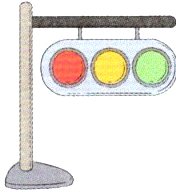
The traffic lights are the same in every country. There are always three lights—red, yellow and green. Red means “Stop”, yellow means “Wait” and green means “Go”. In most parts of the People's Republic of China, drivers drive on the right side of the road. In the United States, drivers drive on the right side too. In the United Kingdom and Australia, however, drivers drive on the left side of the road. If you go by car, by bike or on foot, you must know the traffic rules.
( )1. The traffic lights are different in every country.
( )2. Red means “Wait”, yellow means “Stop” and green means “Go”.
( )3. In the UK and Australia, drivers drive on the right side of the road.
( )4. Most Chinese and Americans drive on the same side of the road.
( )5. You should always know the traffic rules and follow them.
答案:
1~5 F F F T T
查看更多完整答案,请扫码查看

